
Loading, please wait...

LOT 1325
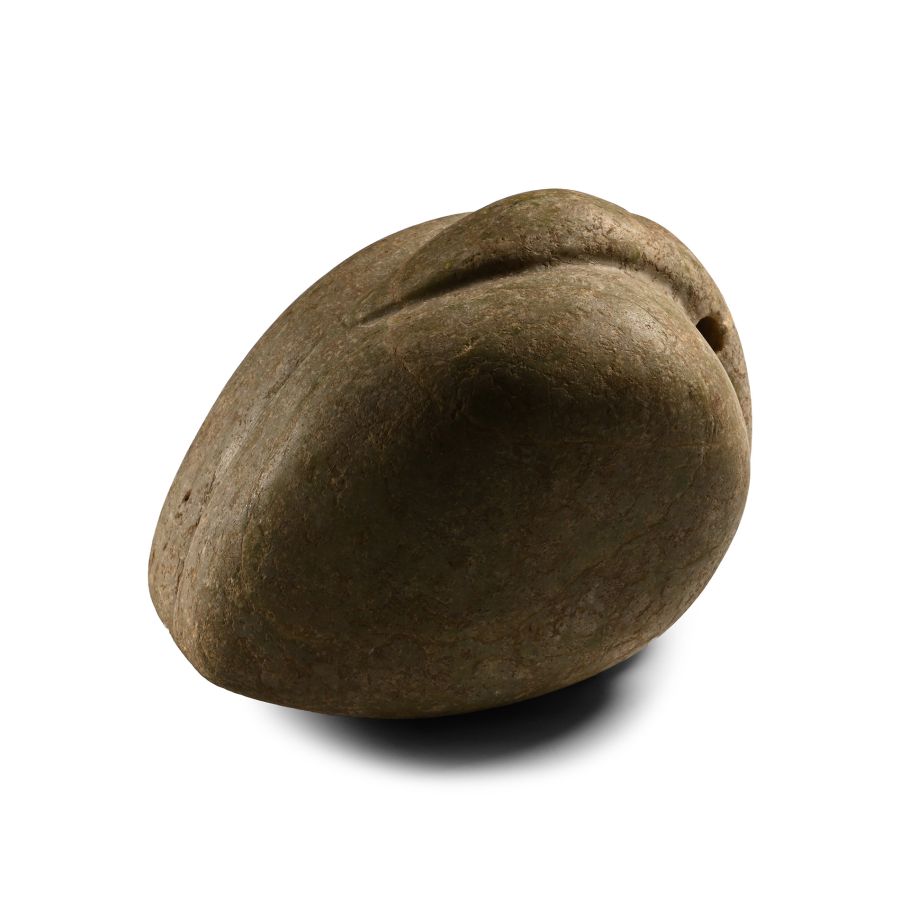
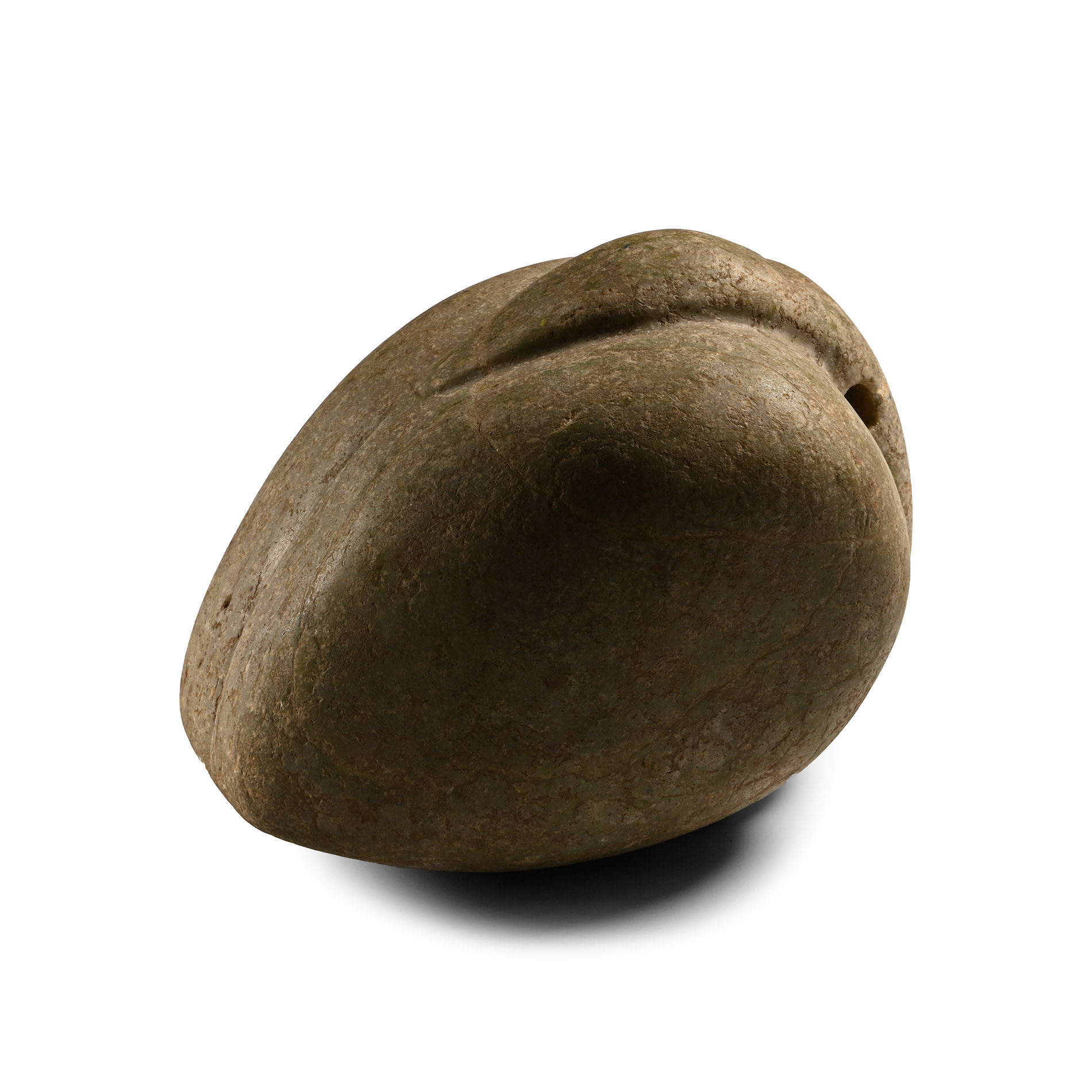
Neo Babylonian Stone Duck Weight
8TH-7TH CENTURY B.C. OR LATER
6 1/4 in. (3.19 kg, 16 cm).
With two broad ovoid wings, the head resting along the spine; pierced through the neck.
ProvenanceFrom an important collection formed before 1988.
Examined by Professor Wilfrid George Lambert FBA (1926-2011), historian, archaeologist, and specialist in Assyriology and Near Eastern archaeology, in the late 1980s and 1990s.
TimeLine Auctions follows a vetting process to ensure the authenticity and legality of all items, reinforcing our commitment to integrity and responsible trading. Each antiquity, antique, and coin lot undergoes thorough examination by a vetting committee of at least ten external specialists, professional trade association members, scientists, and archaeologists: Our Vetting Process
AUCTIONS:
TimeLine is a leading auction house specialising in antiquities, ancient art, collectables, natural history, coins, medals, and books. Our auctions offer museums, collectors, historians, and enthusiasts the opportunity to acquire unique and historically significant pieces.
-
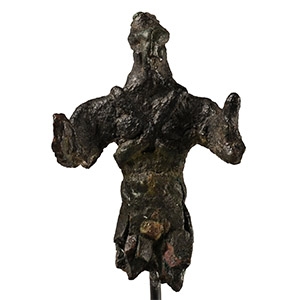
Western Asiatic Bronze Warrior Statuette
Early 1st millennium B.C.Sold for (Inc. bp): £98
Modelled standing erect with arms extended forwards, with straps and breastplates, belt and other details; mounted on a custom-made stand. 45.8 grams total, 75 mm including stand
From a collection acquired on the UK art market from various auction houses and collections mostly before 2000. From an important Cambridgeshire estate; thence by descent. -
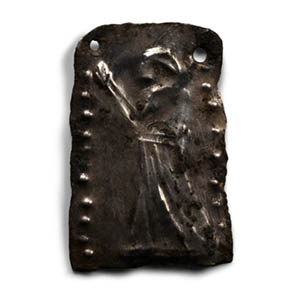
Assyrian Silver Plaque with Supplicant Figure
Early 2nd millennium B.C.Sold for (Inc. bp): £33
Tongue-shaped sheet silver panel with repoussé profile figure in floor-length robe raising hands; pierced at upper corners, band of repoussé pellets to each edge. 1.75 grams, 31 mm
UK private collection before 2000. Acquired on the UK art market. Property of a London gentleman. -

Luristan Bronze Dagger Blade
12th century B.C.Sold for (Inc. bp): £182
With lentoid-section blade, tongue-shaped in plan with integral tapering hilt with flared finial, lateral flanges to accept a panel of bone or wood to each face forming the grip. 131 grams, 31.5 cm
Acquired 1980-2015. Ex Abelita family collection.
The art of Luristan can be described as the art of nomadic herdsmen and horsemen with an emphasis on the crafting of small, easily portable objects, among these a great number of bronze weapons. The rich and noble aristocrats of the Luristan, Elamites, Hurrians, Lullubians, Kutians, and Kassites, went to battle splendidly equipped and wore magnificent bronze armour, using maces, spears and daggers as offensive weapons, alongside spears, bows and arrows.
