
Loading, please wait...
LOT 1036
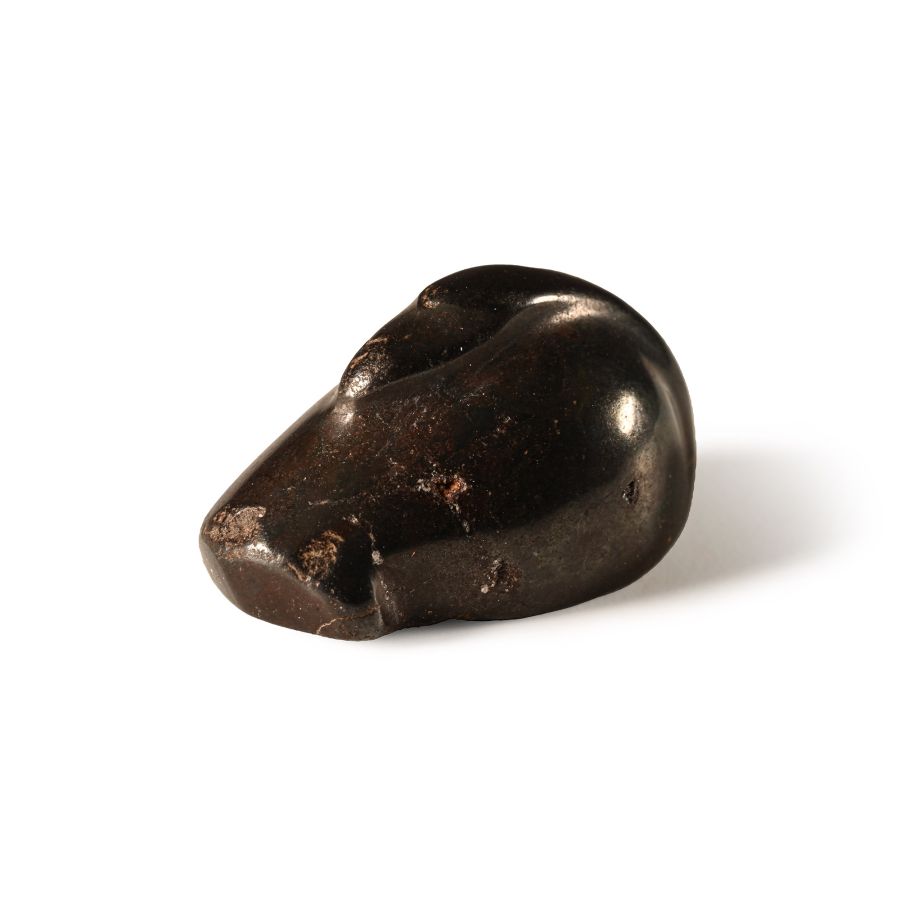
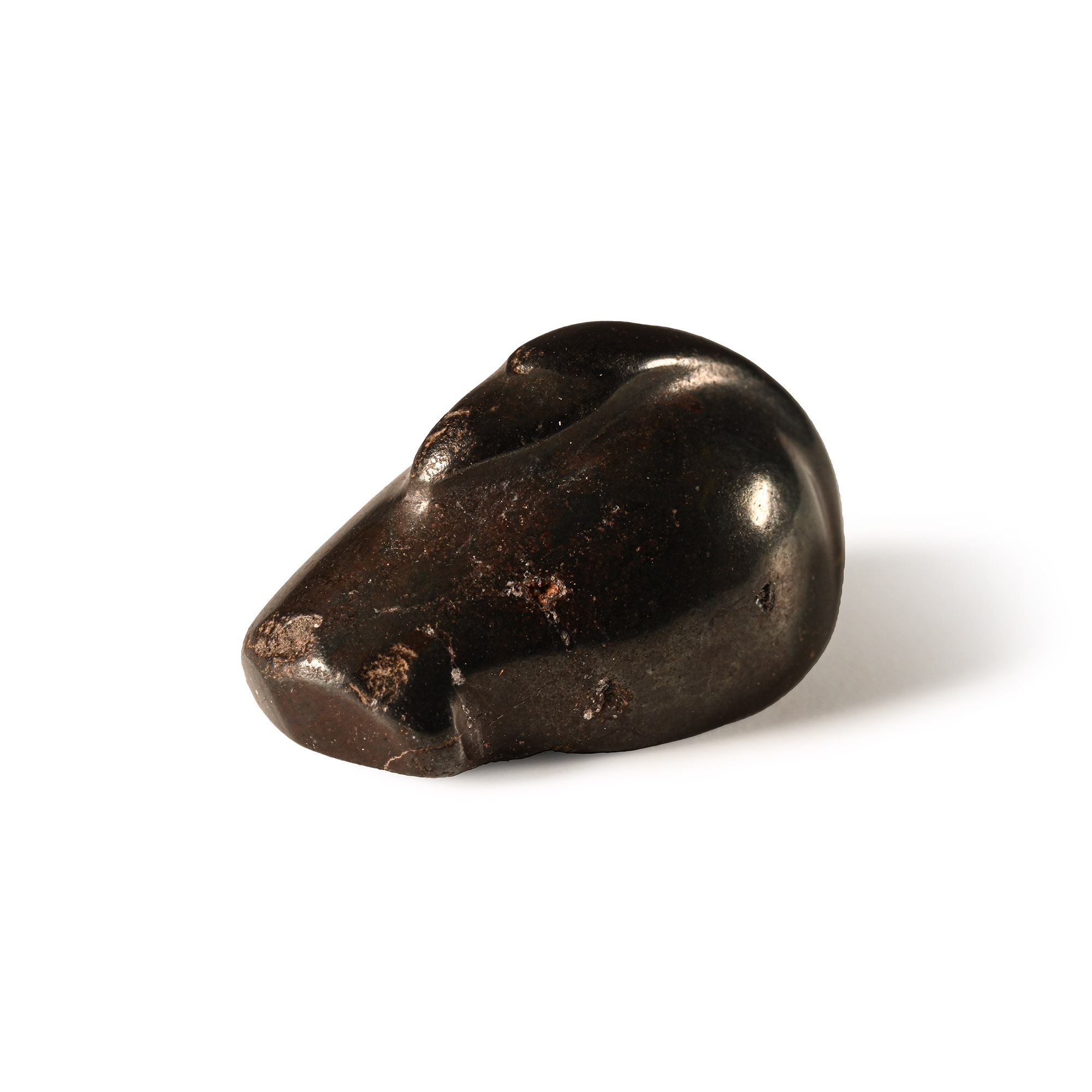
Neo-Babylonian Haematite Duck Weight
CIRCA 7TH-6TH CENTURY B.C.
7/8 in. (8.7 grams, 22 mm).
Polished and modelled with its head resting along its back and with simple, stylised detailing.
ProvenanceEx Simmons Gallery, London E11, UK, in the 1990s.
From a North London collection.
TimeLine Auctions follows a vetting process to ensure the authenticity and legality of all items, reinforcing our commitment to integrity and responsible trading. Each antiquity, antique, and coin lot undergoes thorough examination by a vetting committee of at least ten external specialists, professional trade association members, scientists, and archaeologists: Our Vetting Process
AUCTIONS:
TimeLine is a leading auction house specialising in antiquities, ancient art, collectables, natural history, coins, medals, and books. Our auctions offer museums, collectors, historians, and enthusiasts the opportunity to acquire unique and historically significant pieces.
-

Elamite Silver Horse Harness Pendant Group
3rd millennium B.C.Estimate: £200 - 300 (+bp*)
Opening Bid: £100
With repoussé motifs composed of conical and domed ornament within pellet borders, tubular suspension loops above. 7.32 grams total, 41-43 mm
London, UK, gallery, 1971-early 2000s. -

Western Asiatic Mottled Pink Stone Jar
4th-3rd millennium B.C.Sold for (Inc. bp): £3,380
Of squat globular form with broad everted rim and rounded base; series of circular recesses to interior base. 3.47 kg, 17.5 cm wide
Acquired from an American collector in Europe, 2002. European collection. This lot has been checked against the Interpol Database of stolen works of art and is accompanied by search certificate number no.11875-206527. -

Bactrian Manuscript Listing Sheep Supplied from Various Named Individuals
Circa 5th-7th century A.D.Estimate: £800 - 1,000 (+bp*)
Opening Bid: £250
Recto bearing twenty-one incomplete lines of cursive Avestan text concerning a list of sheep supplied, reading: '...which from...a list for... and (?) which from the requisition...in the city...[from] Yolan: three sheep.-From Kh[...]yog: three sheep.-From [...]z: two sheep.-From Pap: three sheep.-From Nat-[...]nd: two sheep.-From Waraz-warahran:...sheep.-From Bagwye-shan: one sheep.-From Yolwyeshan: two sheep.-From Mihrbaman: one sheep.-From Bag-mareg: one sheep.-From Wind-fruman-yamsh together with Piyar-yamsh: one sheep.-From Bakh-arag:...sheep.-...-[From...]man: one sheep.-From Bib-sen: one sheep.'; verso bearing five incomplete lines of text; accompanied by a typed transcription and translation of the text, additional contextual information and bibliographic references. 3.81 grams, 19.5cm long
Fair condition.
David Lindahl, Sweden, 2001. Collection of Bruce Ferrini, USA. Central London gallery. Property of a UK collector. For UK buyers only, this item is not exportable from the UK.
The Bactrian kingdom of southern Transoxiana was only known from a handful of inscriptions, seals and coins until circa 1991, when a cache of around 150 documents was discovered in an archive belonging to the ruler of the city of Rob, dating between the 4th-8th century AD, leading to major developments in the understanding of the Bactrian language. Many of these documents were sold on the art market and collected by Dr. David Naser Khalili for his Nour Foundation.
