
Loading, please wait...
LOT 1595
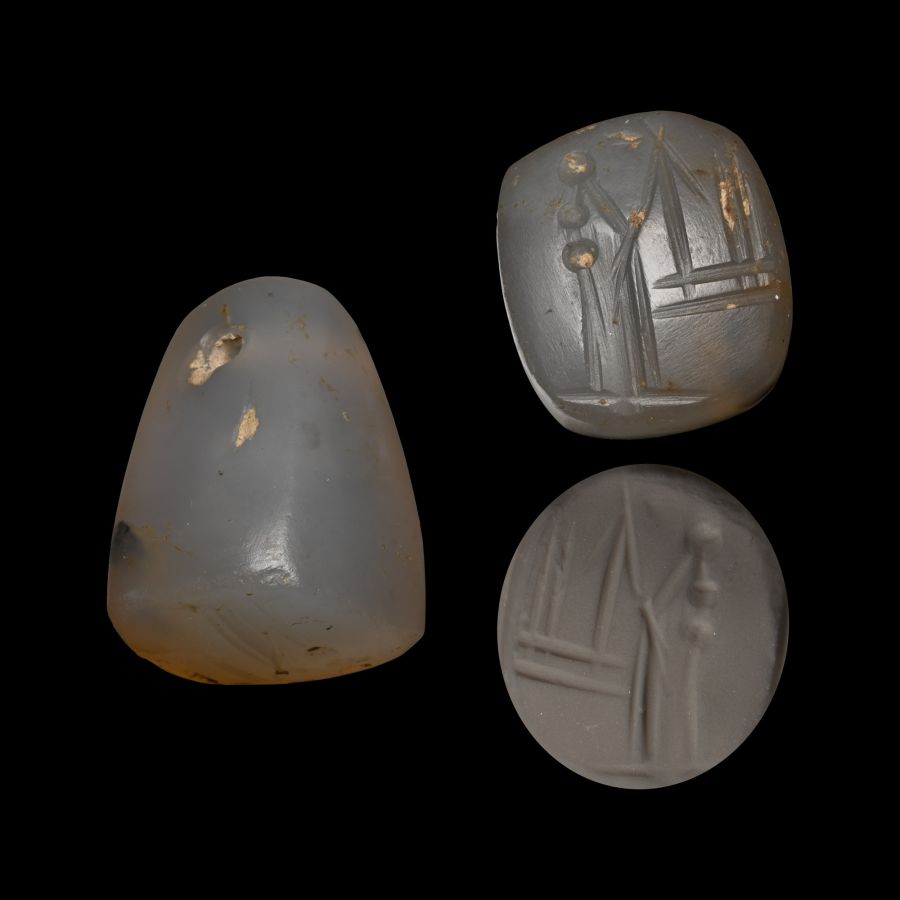
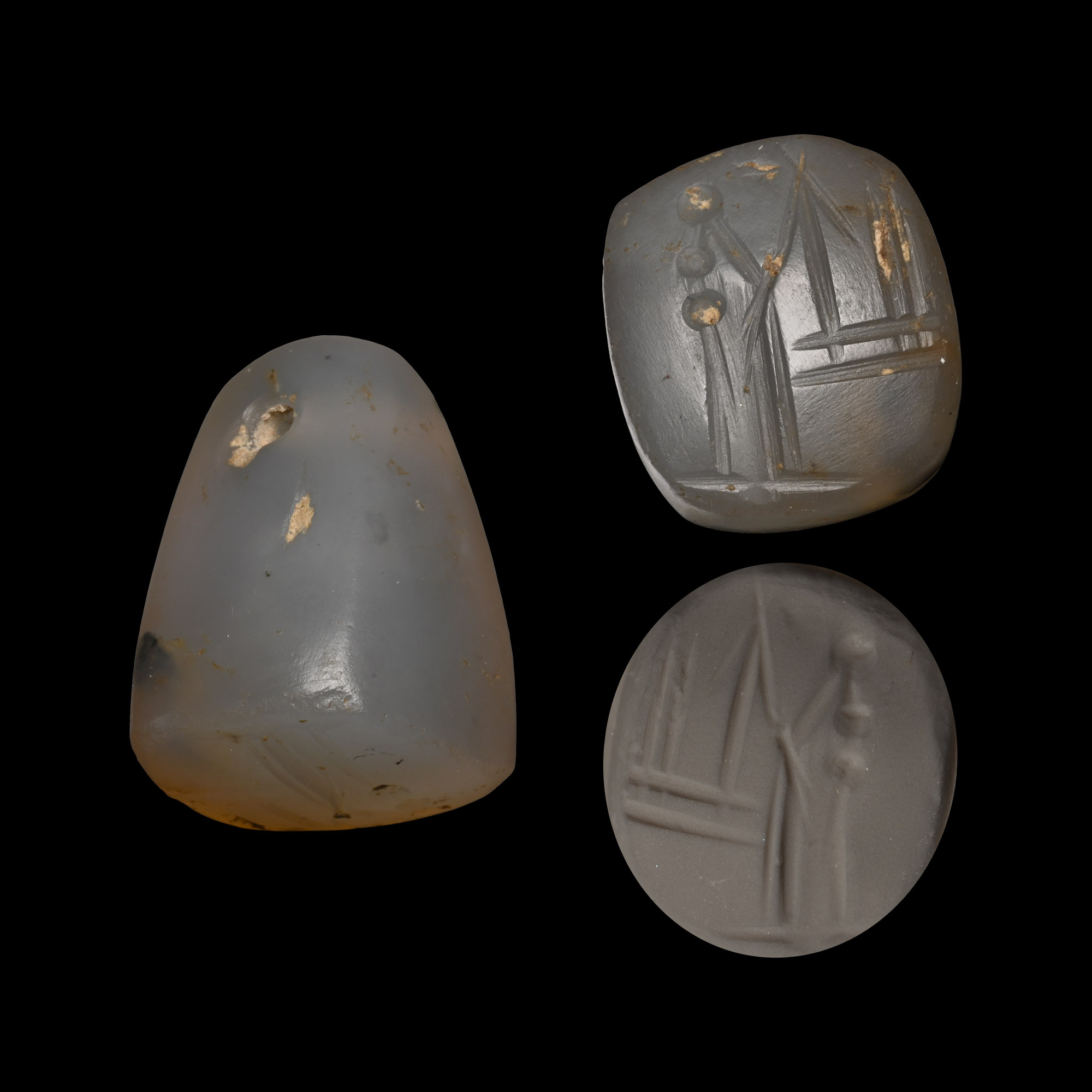
Neo-Babylonian Chalcedony Stamp Seal with God Nabu
CIRCA 6TH-5TH CENTURY B.C.
7/8 in. (7.46 grams, 21.76 mm).
Conical seal with a piercing through the upper end, underside with a carved scene of the god Nabu standing in front of an altar.
ProvenanceEx H. Norri collection, Milton Keynes, Bedfordshire, UK, collected in the 1980s-1990s.
Accompanied by a previous typed catalogue information card.
TimeLine Auctions follows a vetting process to ensure the authenticity and legality of all items, reinforcing our commitment to integrity and responsible trading. Each antiquity, antique, and coin lot undergoes thorough examination by a vetting committee of at least ten external specialists, professional trade association members, scientists, and archaeologists: Our Vetting Process
AUCTIONS:
TimeLine is a leading auction house specialising in antiquities, ancient art, collectables, natural history, coins, medals, and books. Our auctions offer museums, collectors, historians, and enthusiasts the opportunity to acquire unique and historically significant pieces.
LOT 1595
Neo-Babylonian Chalcedony Stamp Seal with God Nabu
Estimate £200 - 300€230 - 350 (for guidance only)$270 - 410 (for guidance only)
-
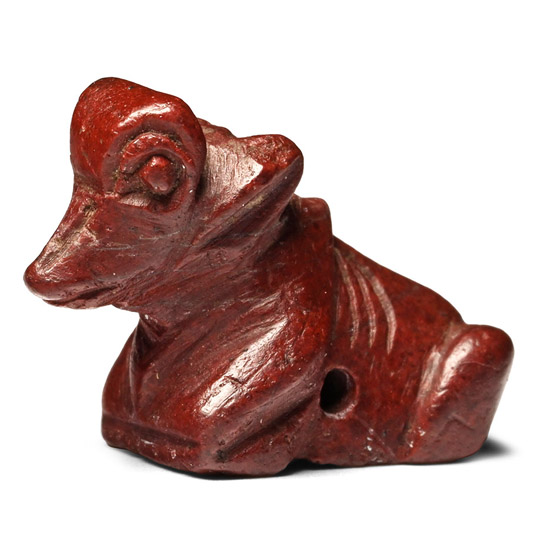
Urartian Jasper Bovine Seal Amulet
8th-7th century B.C.Sold for (Inc. bp): £195
Carved as a reclining bull with erect head, underside engraved with a winged quadruped. 2.67 grams, 21 mm
From the collection of Dr U.O., Zurich, acquired in the 1950s. with Rhea Galerie, Zurich, Switzerland. -
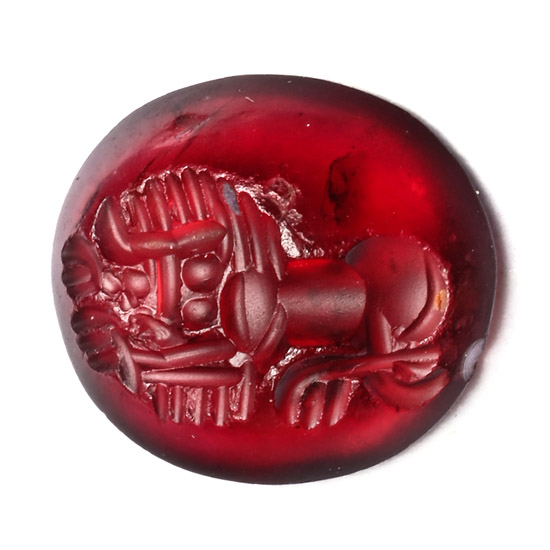
Sasanian Garnet Gemstone of a Lion
5th-7th century A.D.Estimate: £400 - 600 (+bp*)
Opening Bid: £200
Plano-convex in section with incuse sleeping lion; supplied with a museum-quality impression. 0.55 grams, 10 mm
Private English collection, formed between the late 1970s and early 1990s. Private collection, London, UK. -
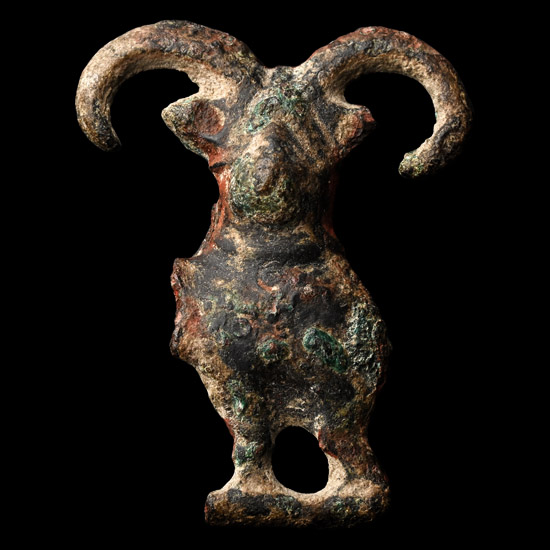
Luristan Bronze Ibex Mount
1st millennium B.C.Sold for (Inc. bp): £91
Modelled frontally with large curving horns. 6.87 grams, 36.2 mm
From the private collection of a European gentleman (1942-2024), formed since the 1970s.
