
Loading, please wait...


LOT 1395
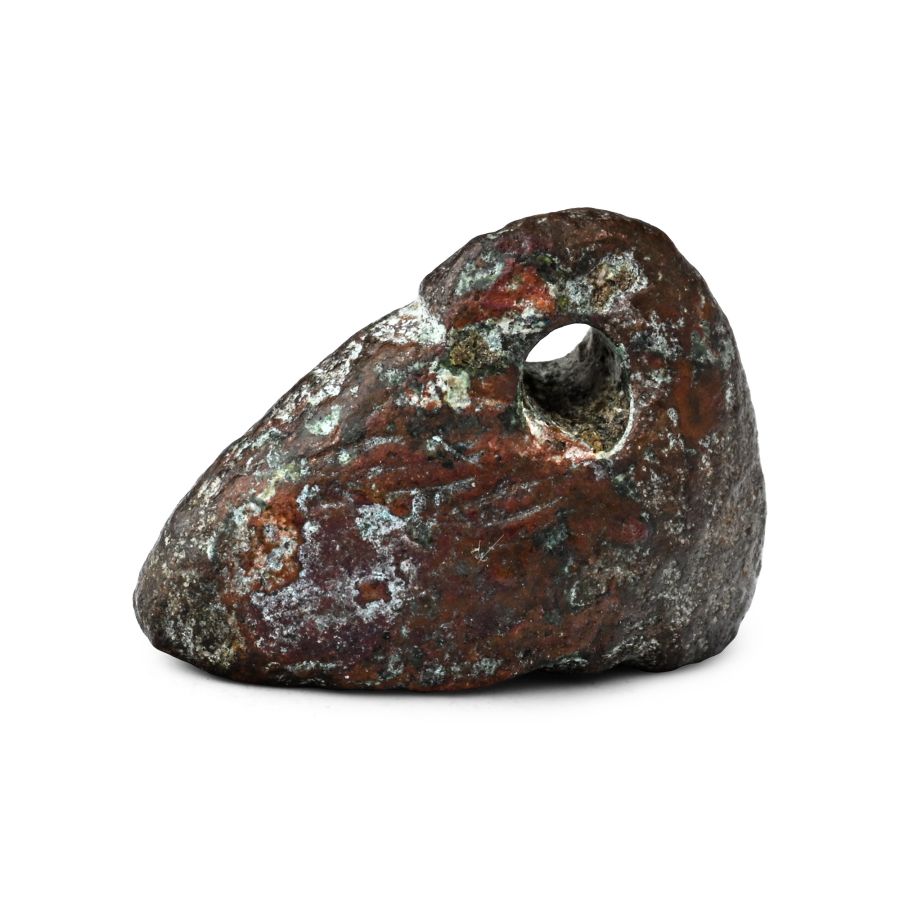
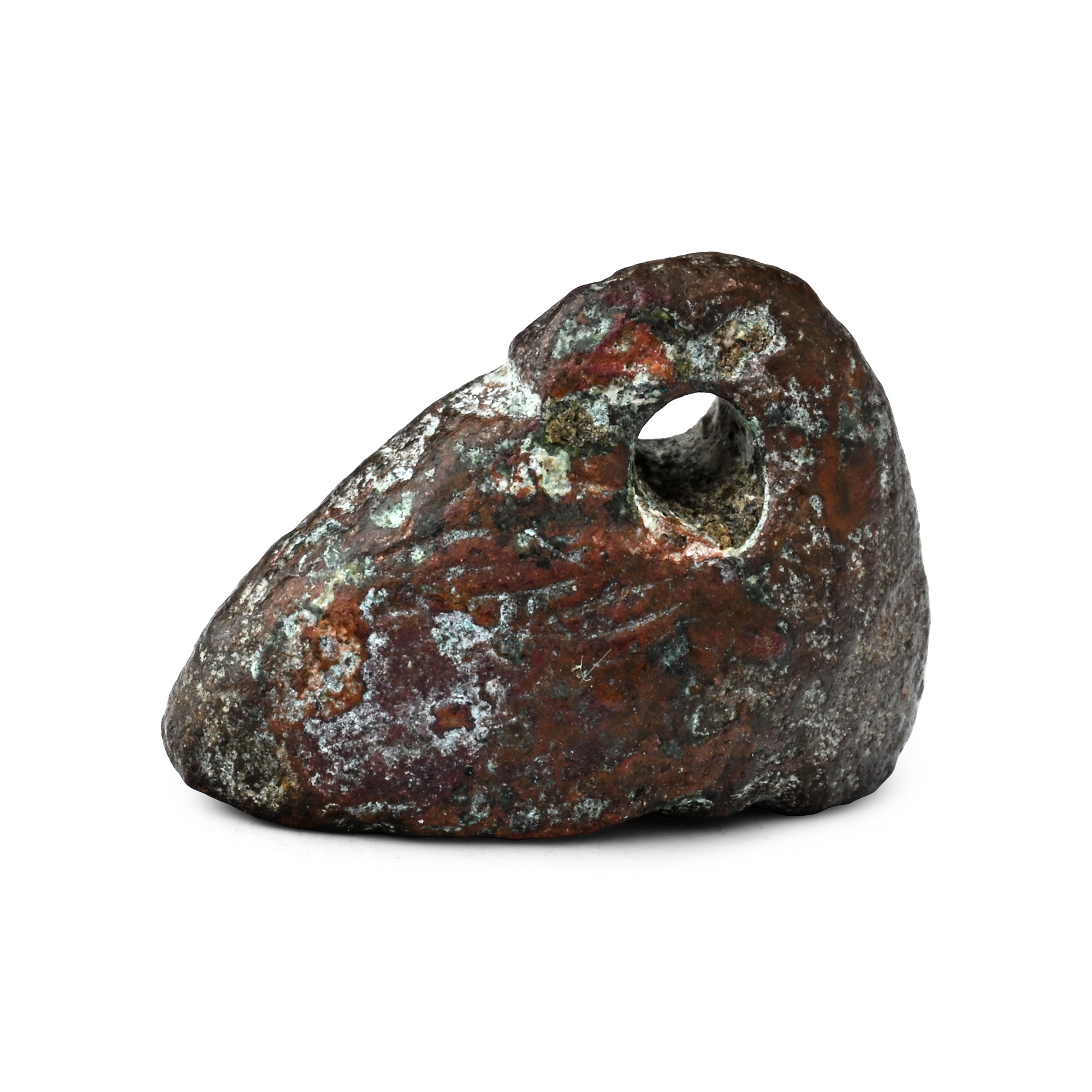
Neo-Babylonian Bronze Duck Weight of 1 Shekel
CIRCA 800-600 B.C.
3/4 in. (7.75 grams, 18 mm).
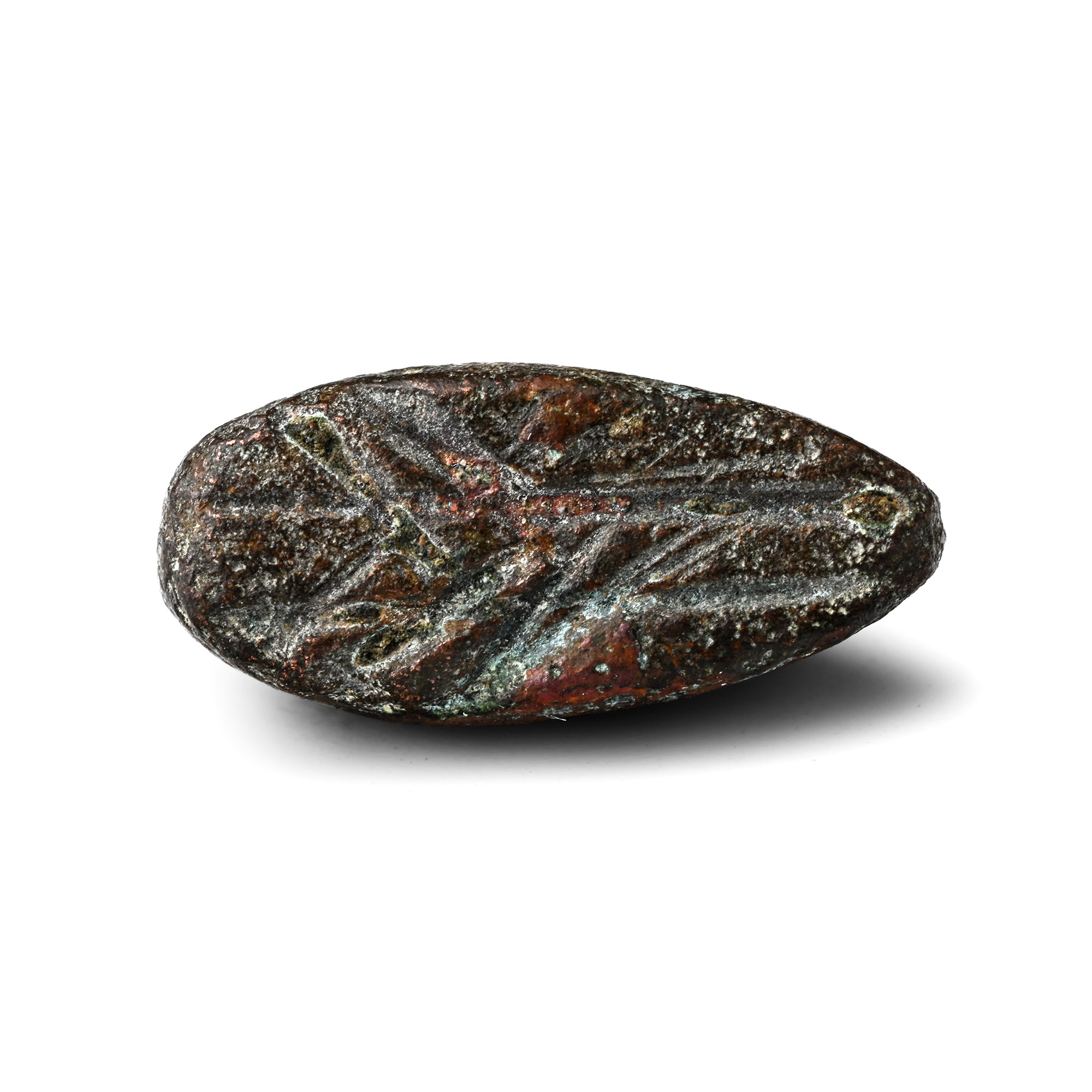
In the shape of a sleeping duck, with its head turned towards its tail and with a flat striated base.
ProvenanceEx 'S' collection, London, UK, 1970 onwards.
LiteratureCf. Hendin, Ancient Scale and Weights, 143 (5 Qedet).
CONDITIONTimeLine Auctions follows a vetting process to ensure the authenticity and legality of all items, reinforcing our commitment to integrity and responsible trading. Each antiquity, antique, and coin lot undergoes thorough examination by a vetting committee of at least ten external specialists, professional trade association members, scientists, and archaeologists: Our Vetting Process
AUCTIONS:
TimeLine is a leading auction house specialising in antiquities, ancient art, collectables, natural history, coins, medals, and books. Our auctions offer museums, collectors, historians, and enthusiasts the opportunity to acquire unique and historically significant pieces.
-
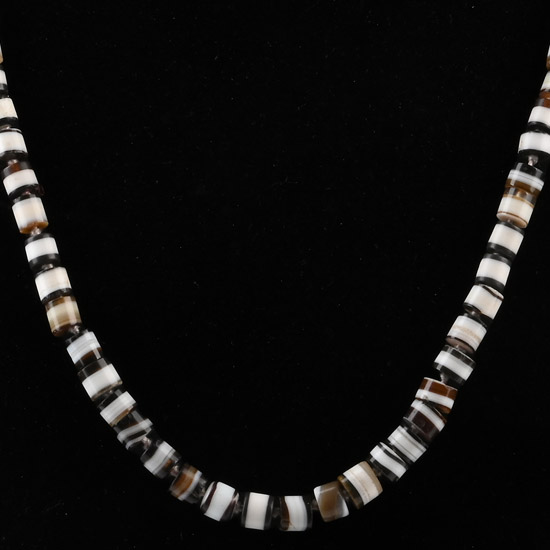
Bactrian Banded Agate Bead Necklace
1st millennium B.C.Sold for (Inc. bp): £416
Composed of cylindrical beads showing contrasting banding, restrung with a modern clasp. 52.4 grams, 73 cm
London, UK gallery, 1971-early 2000s. Private collection, London, UK. -
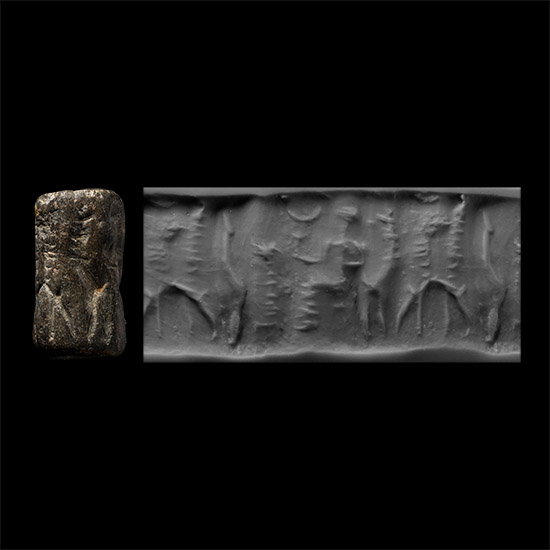
Western Asiatic Steatite Cylinder Seal with Deity and Beasts
Circa 1500 B.C.Sold for (Inc. bp): £156
Showing a crescent moon and a standing beast, unusual filler motifs including a snake, an altar and a seated deity with a fringed skirt; supplied with a museum-quality impression. 3.65 grams, 20 mm
From the private collection of a European gentleman (1942-2024), formed since the 1970s. Accompanied by a previous typed catalogue slip with collection no.50. -
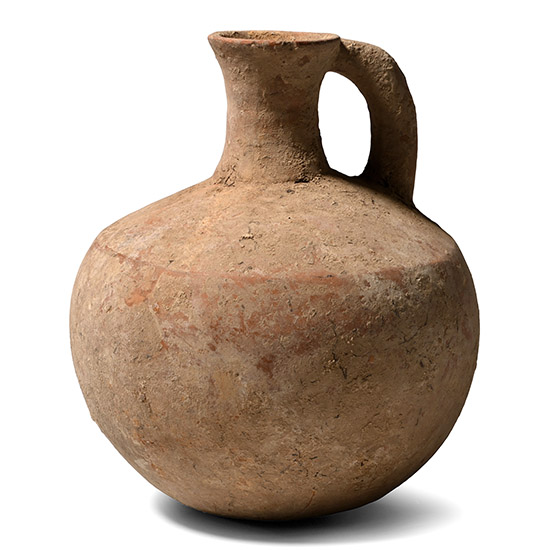
Western Asiatic Pottery Vessel with Handle
1st millennium B.C.Sold for (Inc. bp): £117
Comprising a squat bulbous body with a flattened base, a short neck with an everted rim and a handle to the rear. 413 grams, 15.1 cm
From an important specialist collection, London, UK, 1990s.
