
Loading, please wait...
LOT 1270
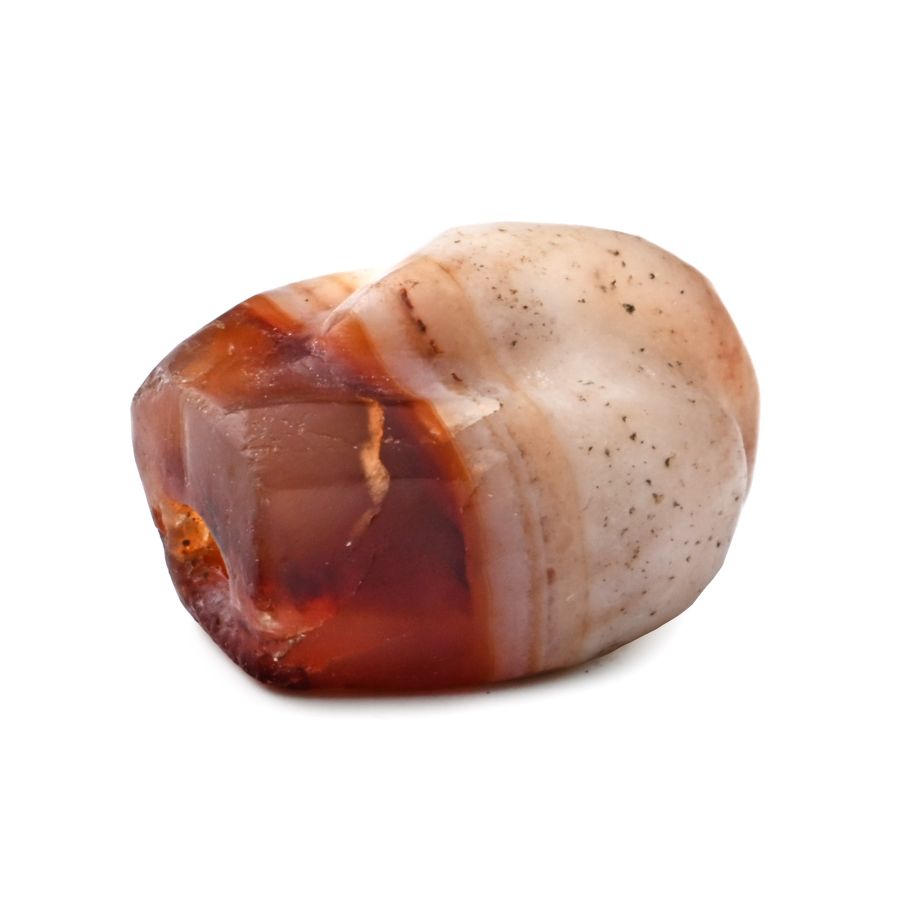
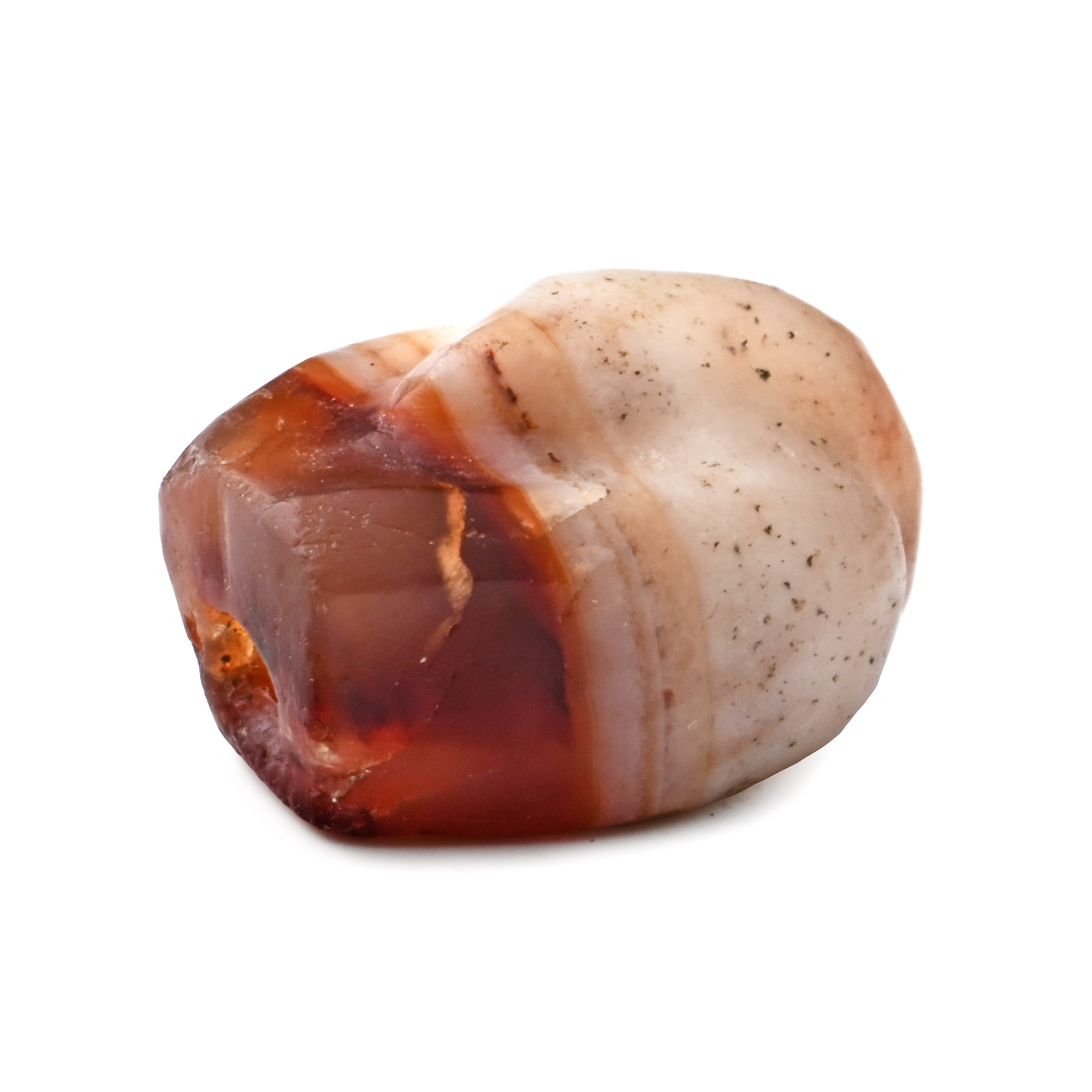
Neo-Babylonian Banded Agate Duck Weight
CIRCA 800-600 B.C.
1/2 in. (1.6 grams, 14 mm).
Modelled in the round with its head and neck resting along the spine.
ProvenanceEx private collection of the late Mr S.M., London, UK, 1970s-2000s.
Accompanied by a previously illustrated catalogue card with provenance.
TimeLine Auctions follows a vetting process to ensure the authenticity and legality of all items, reinforcing our commitment to integrity and responsible trading. Each antiquity, antique, and coin lot undergoes thorough examination by a vetting committee of at least ten external specialists, professional trade association members, scientists, and archaeologists: Our Vetting Process
AUCTIONS:
TimeLine is a leading auction house specialising in antiquities, ancient art, collectables, natural history, coins, medals, and books. Our auctions offer museums, collectors, historians, and enthusiasts the opportunity to acquire unique and historically significant pieces.
LOT 1270
Neo-Babylonian Banded Agate Duck Weight
Estimate £100 - 140€120 - 160 (for guidance only)$140 - 190 (for guidance only)
-
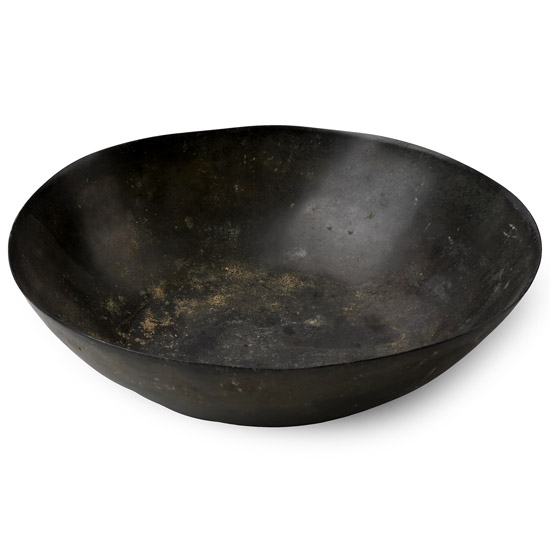
Sasanian Bronze Bowl
Circa 4th-6th century A.D.Sold for (Inc. bp): £78
Shallow sheet-bronze bowl with sloping walls and flattened base. 95 grams, 13.6 cm wide
From a London, UK, collection, 1990s-2010. -
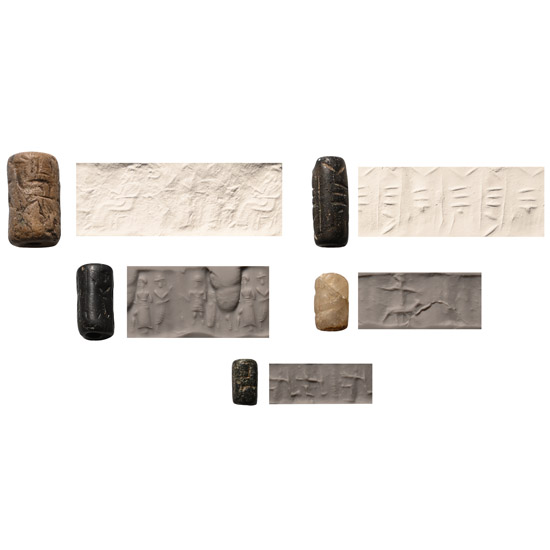
Western Asiatic Stone Cylinder Seal Group
2nd-1st millennium B.C.Sold for (Inc. bp): £111
Comprising: a dark grey steatite seal with two standing creatures with two smaller creatures above them; a hematite seal with a Syrian man wearing a short skirt, a man with curly hair holding a staff, an adorant in a Syrian skirt and a man wearing a pleated skirt; a light grey quartz seal with a figure with outstretched arms riding a beast; a steatite seal with vertical registers; a steatite seal with a seated figure and standing attendants; supplied with museum-quality impressions. 16.57 grams total, 12-24 mm
From the private collection of a European gentleman (1942-2024), formed since the 1970s. Accompanied by previous typed catalogue slips with collection nos.29,39,59,70, and one handwritten note. -
.jpg)
Western Asiatic Silver Ring with Calligraphic Inscription
Circa 8th-10th century A.D.Sold for (Inc. bp): £221
Comprising a D-section hoop expanding towards the shoulders, a raised oval bezel with a two-line cursive Kufic inscription. 8.28 grams, 22.88 mm overall, 17.46 mm internal diameter (approximate size British K 1/2, USA 5 1/2, Europe 10.58, Japan 10)
From the private collection of a European gentleman (1942-2024), formed since the 1970s.
