
Loading, please wait...
LOT 0264
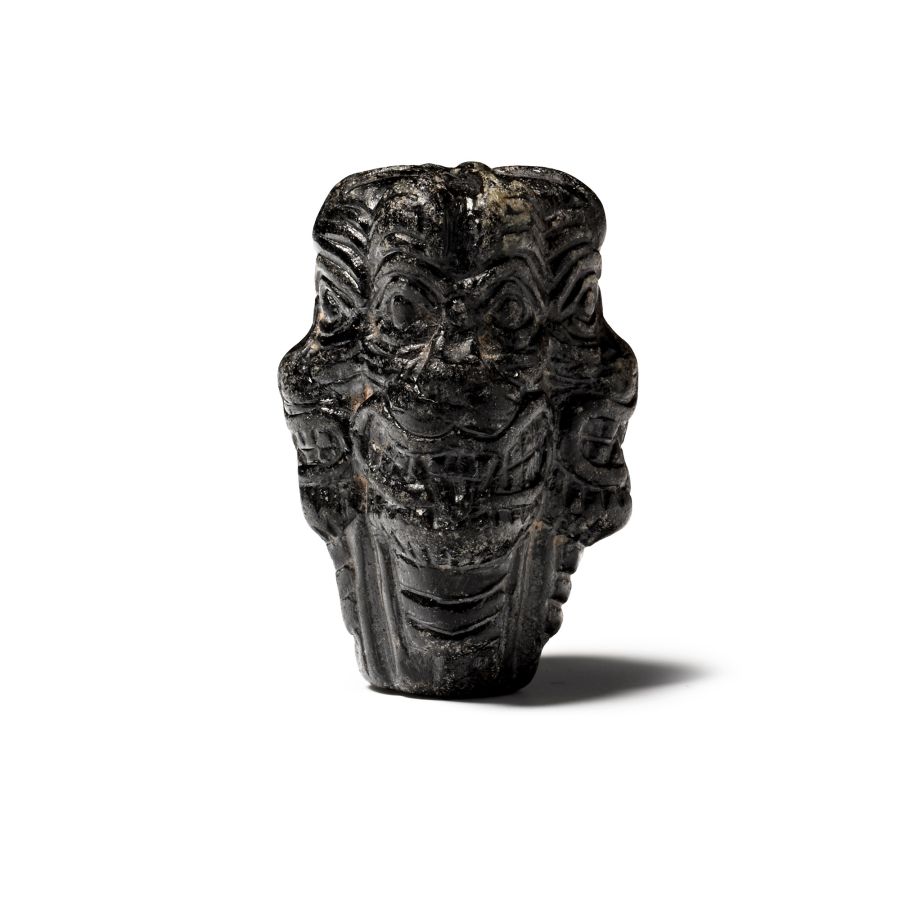
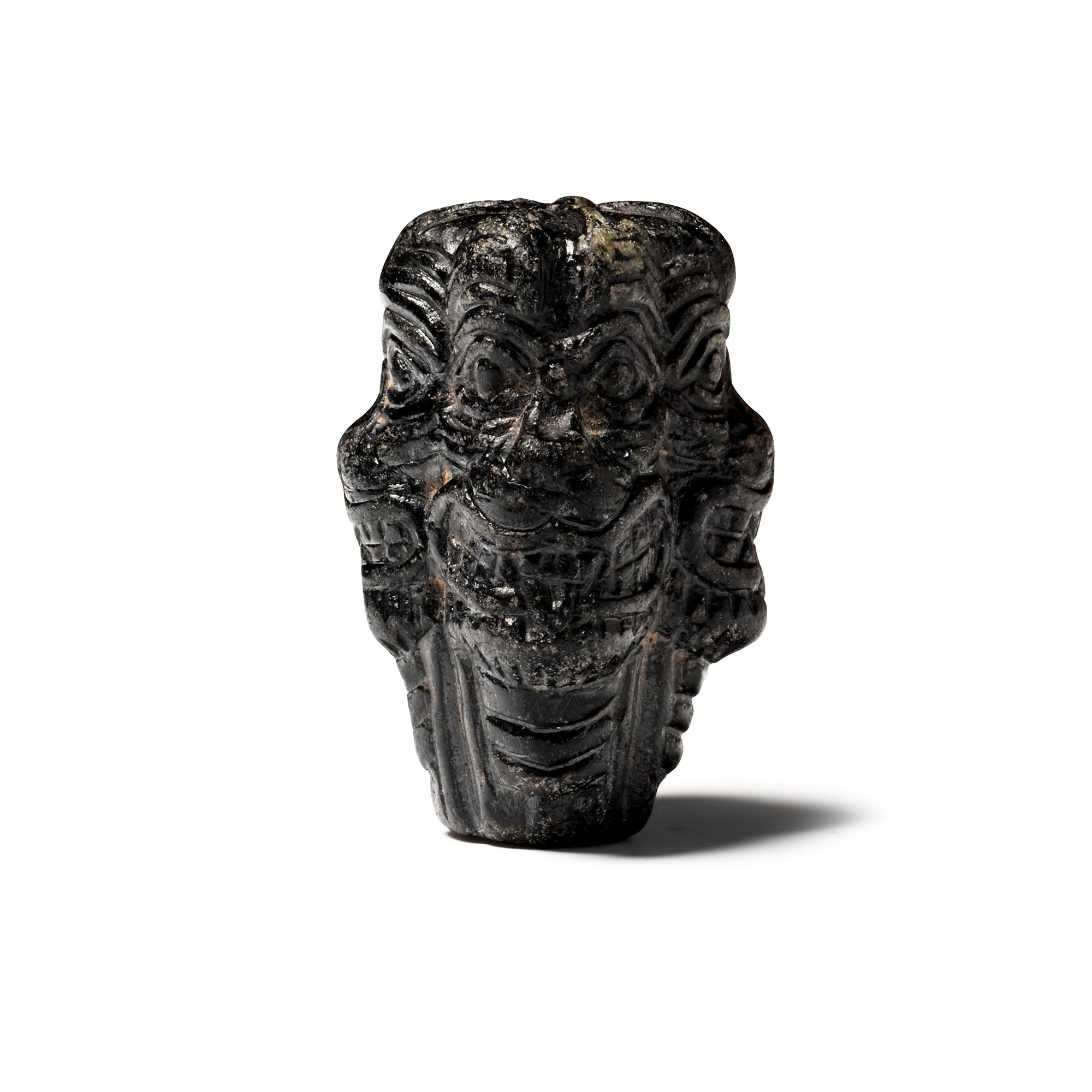
Neo-Assyrian Black Stone Multifacetted Pazuzu Head
CIRCA 600 B.C.
1 3/8 in. (19.94 grams, 34.28 mm).
Modelled in the round, four addorsed heads, each with snarling mouth and furrowed brow; pierced vertically.
ProvenanceFrom the 'S' collection, London, UK, 1970-1990s.
This lot has been checked against the Interpol Database of stolen works of art and is accompanied by search certificate number no.13286-253337.
Cf. a similar bronze head of Pazuzu in BM, accession no.132964, in Braun-Holzinger, E.A., Figürliche Bronzen aus Mesopotamien, Abteilung I, Band 4, Munich, 1984, pl.53, p.264.
FootnotesPazuzu, in the Mesopotamian mythology, is described as ‘the son of Hanbu and king of wind demons’. Amulets with images of his full body or, more often, just his head, were common in the early first millennium B.C. Pazuzu was most popular in the Neo-Assyrian and Neo-Babylonian periods, from about the late 8th century B.C. through the 6th century B.C.
CONDITIONTimeLine Auctions follows a vetting process to ensure the authenticity and legality of all items, reinforcing our commitment to integrity and responsible trading. Each antiquity, antique, and coin lot undergoes thorough examination by a vetting committee of at least ten external specialists, professional trade association members, scientists, and archaeologists: Our Vetting Process
AUCTIONS:
TimeLine is a leading auction house specialising in antiquities, ancient art, collectables, natural history, coins, medals, and books. Our auctions offer museums, collectors, historians, and enthusiasts the opportunity to acquire unique and historically significant pieces.
-
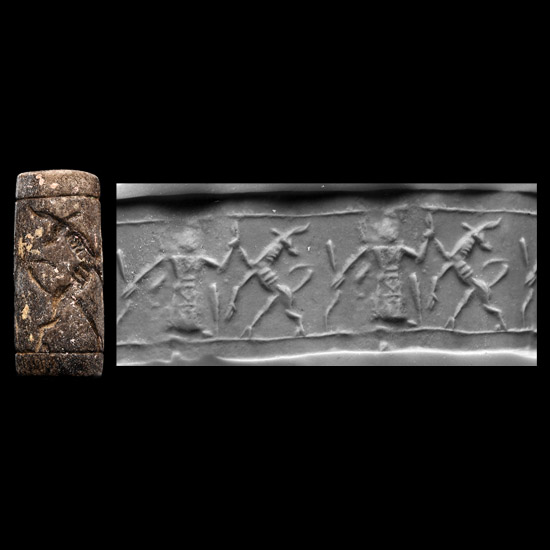
Western Asiatic Stone Cylinder Seal with Contest Scene
2nd-1st millennium B.C.Sold for (Inc. bp): £143
Frieze depicting a standing figure with knife in one hand and the other gripping the foreleg of a rearing ibex; supplied with a museum-quality impression. 2.45 grams, 21.8 mm
From the private collection of a European gentleman (1942-2024), formed since the 1970s. -
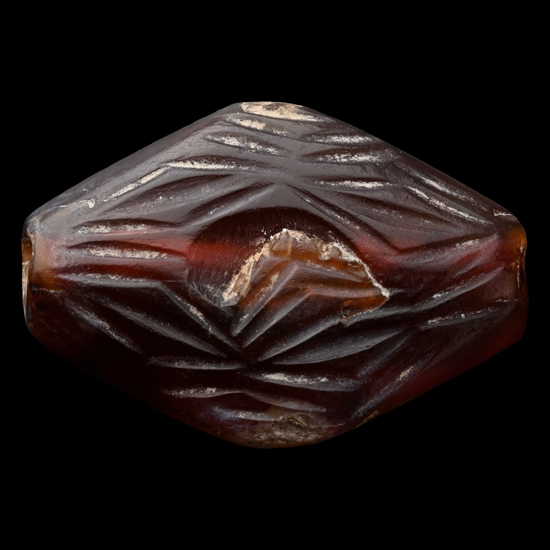
Western Asiatic Decorated Carnelian Bead
1st millennium B.C.Sold for (Inc. bp): £46
Lozengiform in plan, with a dense, grooved geometric pattern. 5.49 grams, 27.39 mm
From the private collection of a European gentleman (1942-2024), formed since the 1970s. -
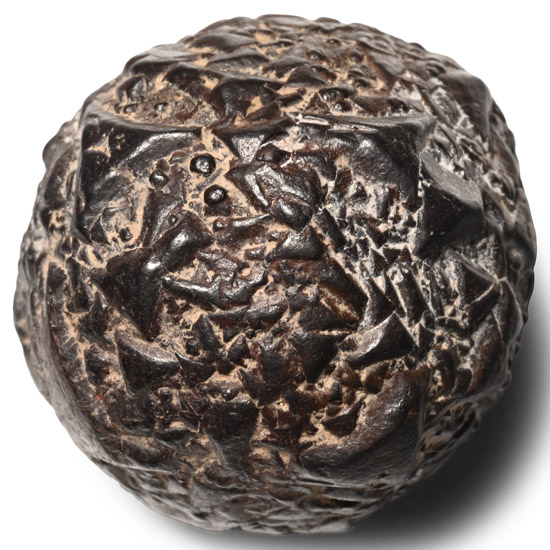
Western Asiatic Bronze Decorated Bulla
Circa 2nd millennium B.C.Sold for (Inc. bp): £52
Spherical bulla with raised geometric decoration. 32.7 grams, 25.18 mm
From the private collection of a European gentleman (1942-2024), formed since the 1970s.
