
Loading, please wait...
LOT 2509
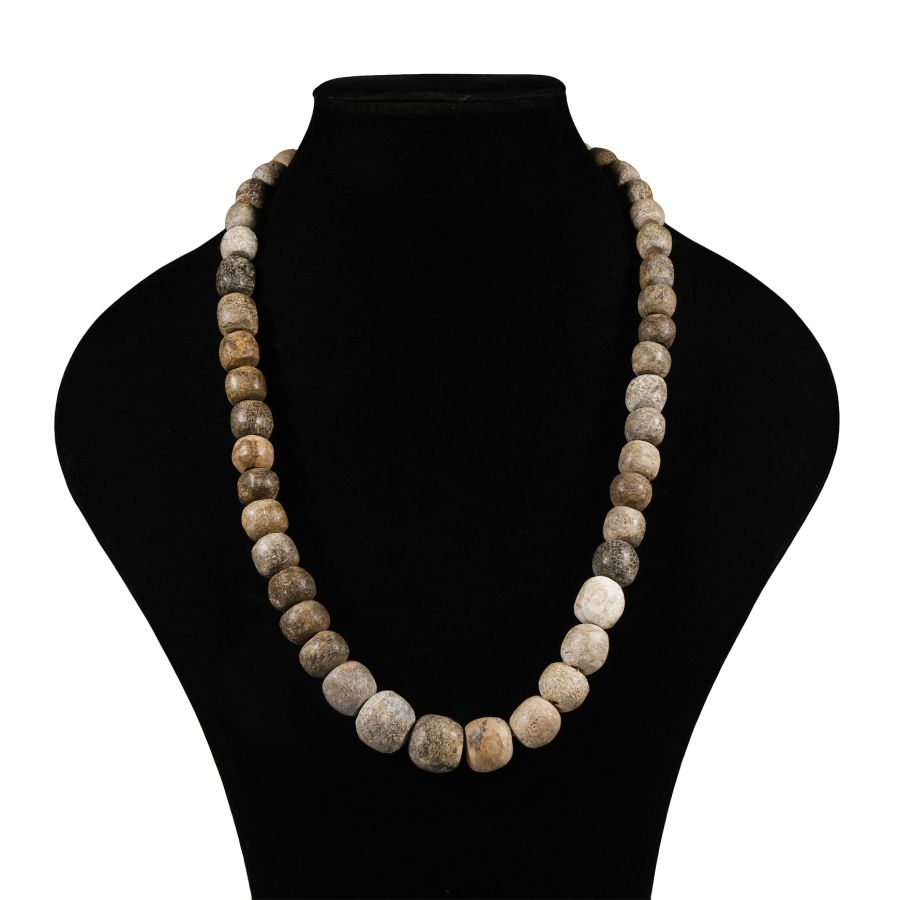
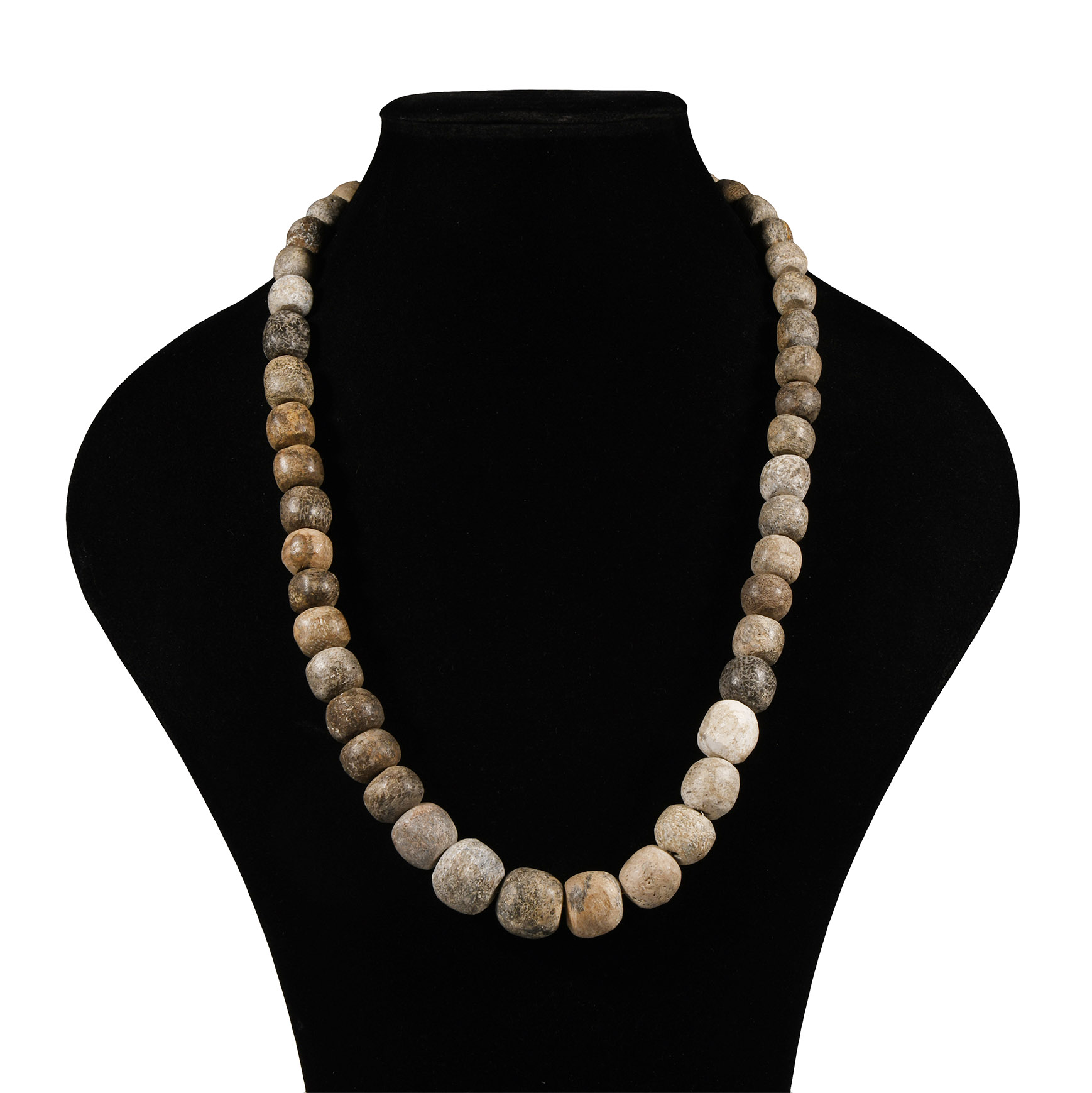
Natural History - Woolly Mammoth Bone Bead Necklace String
DEVENSIAN PERIOD, 110,000-12,000 YEARS B.P.
26 in. (190 grams, 66 cm long).
Restrung using polished Mammuthus primigenius bone beads. [No Reserve]
ProvenancePrivate UK collection formed in the 1980s.
Property of an East Sussex, UK, teacher.
TimeLine Auctions follows a vetting process to ensure the authenticity and legality of all items, reinforcing our commitment to integrity and responsible trading. Each antiquity, antique, and coin lot undergoes thorough examination by a vetting committee of at least ten external specialists, professional trade association members, scientists, and archaeologists: Our Vetting Process
AUCTIONS:
TimeLine is a leading auction house specialising in antiquities, ancient art, collectables, natural history, coins, medals, and books. Our auctions offer museums, collectors, historians, and enthusiasts the opportunity to acquire unique and historically significant pieces.
LOT 2509
Natural History - Woolly Mammoth Bone Bead Necklace String
Sold for (Inc. bp): £85
-
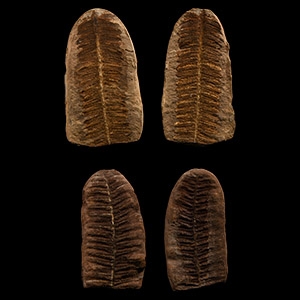
Natural History - Fossil Seed Fern Pair
Middle Pennsylvanian Period, circa 300 million years B.P.Sold for (Inc. bp): £46
Comprising two pairs of Pecopteris sp. 131 grams total, 54-65 mm
From the Mazon Creek Fossil Beds, Braidwood, Illinois, USA. Collected 1930-1960. From the collection of the palaeontologist R Gledhill. -
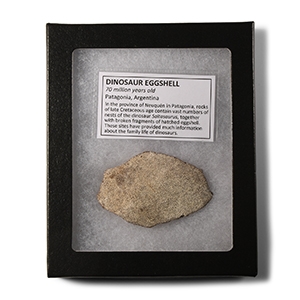
Natural History - Fossil Saltasaurus Dinosaur Eggshell Fragment
Late Cretaceous Period, circa 70 million years B.P.Sold for (Inc. bp): £91
Displaying remains of the shell's textured surface; held in a collector's display box and accompanied y an information label which states 'Patagonia, Argentina. In the province of Neuquen in Patagonia, rocks of late Cretaceous age contain vast numbers of nests of the dinosaur Saltasaurus, together with broken fragments of hatched eggshell. These sites have provided much information about the family life of dinosaurs.' 150 grams total, 14 x 11.5 cm including case
From Patagonia, Argentina. Ex Cambridgeshire, UK, collection. -
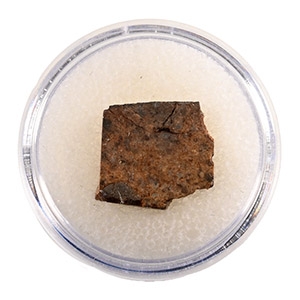
Natural History - NWA 073 L6 Chondrite Meteorite Slice in Case
Fell 2000 A.D.Sold for (Inc. bp): £65
A cut slice of NWA 073 L6, held in a perspex collector's case. 5.03 grams total, 32 mm wide including case
From the Sahara Desert, Morocco, North Africa. Property of a Sussex, UK, teacher.
