
Loading, please wait...
LOT 1916
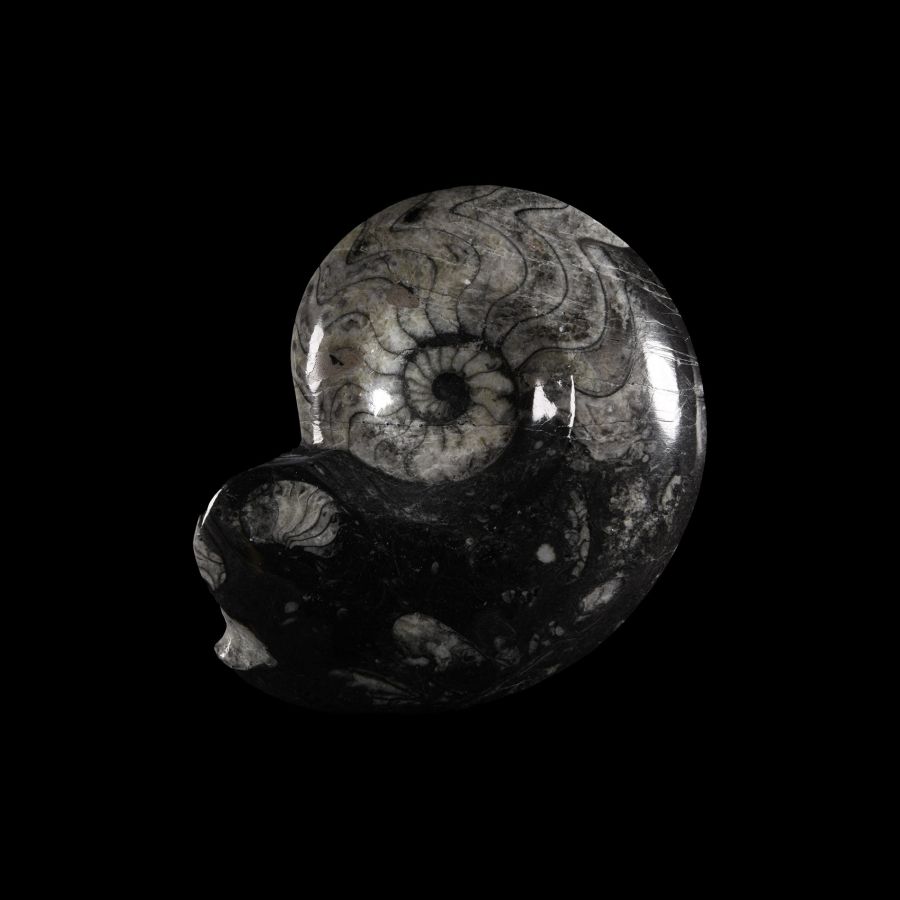
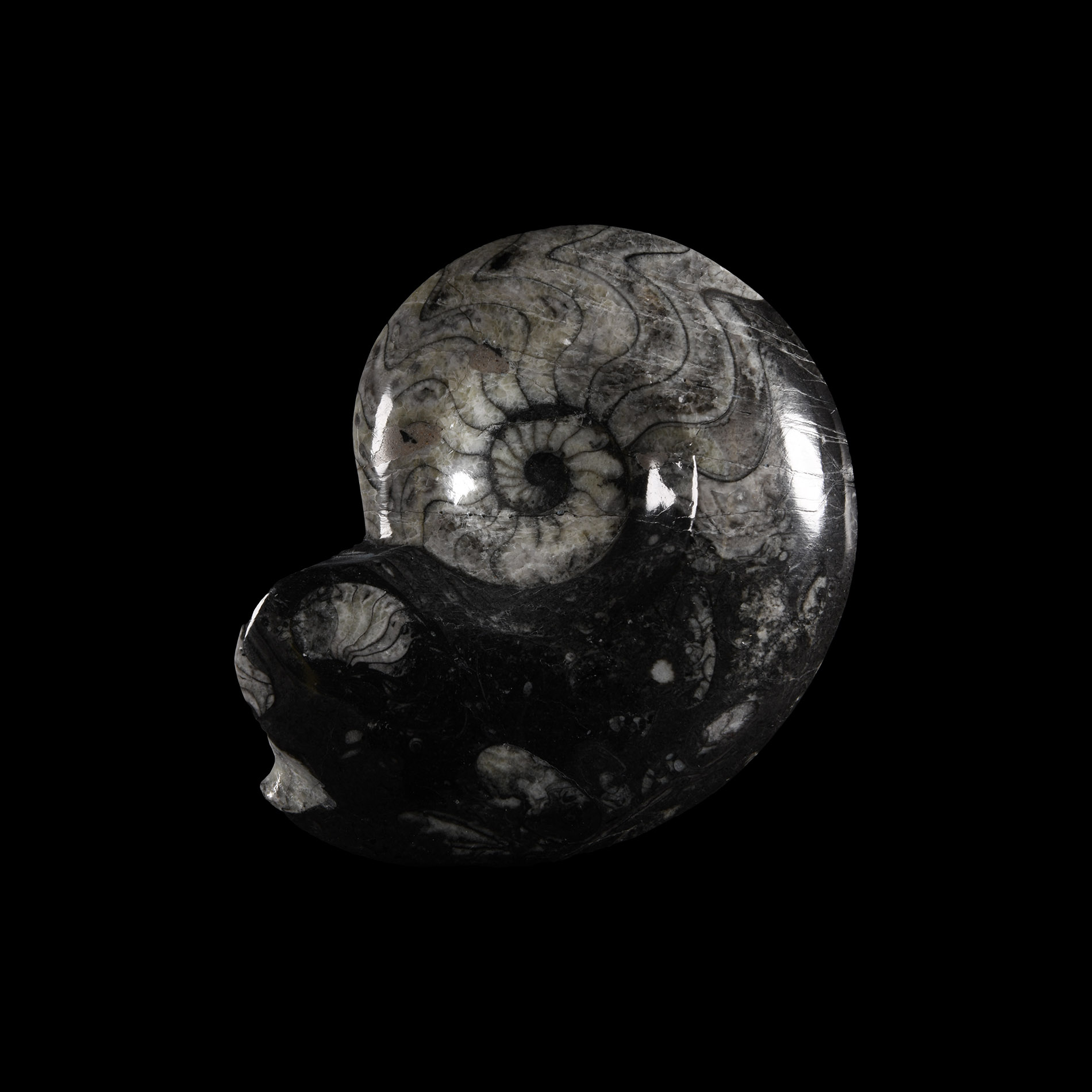
Natural History - Sporadoceras Fossil Goniatite
UPPER DEVONIAN PERIOD, 385-359 MILLION YEARS B.P.
6 1/8 in. (805 grams, 15.5 cm).
A large free standing Sporadoceras sp. goniatite, polished through to reveal the calcite preserved inside and showing the dividing gas chambers known as suture patterns. [No Reserve]
ProvenanceFrom the Atlas Mountains, Morocco, North Africa.
Acquired 1950s-1960s.
From an old Bristol, UK, paleontological collection.
TimeLine Auctions follows a vetting process to ensure the authenticity and legality of all items, reinforcing our commitment to integrity and responsible trading. Each antiquity, antique, and coin lot undergoes thorough examination by a vetting committee of at least ten external specialists, professional trade association members, scientists, and archaeologists: Our Vetting Process
AUCTIONS:
TimeLine is a leading auction house specialising in antiquities, ancient art, collectables, natural history, coins, medals, and books. Our auctions offer museums, collectors, historians, and enthusiasts the opportunity to acquire unique and historically significant pieces.
-
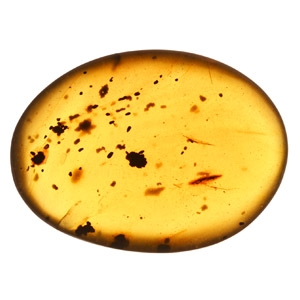
Natural History - Polished Amber with Insect Inclusions
Oligocene Period, circa 45 million years B.P.Sold for (Inc. bp): £39
A polished amber specimen with insect inclusions. 1.9 grams, 27 mm
Property of a Sussex, UK, teacher. -
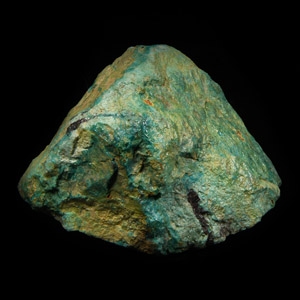
Natural History - Chrysocolla Mineral Specimen
Sold for (Inc. bp): £7
A turquoise blue chrysocolla mineral specimen with black vein. 231 grams, 80 mm
From Lily Mine, Pisco Umay Dept., Peru. Private collection, Munster, Germany. -
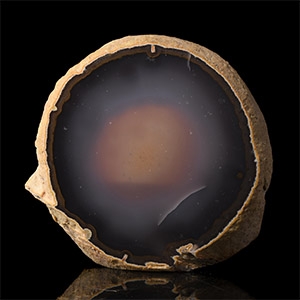
Natural History - Very Large Polished Agate Mineral 'Table'
Sold for (Inc. bp): £59
A very large specimen of agate with one cut and polished face. 3.9 kg, 21.5 cm
Mineral Imports, London, UK. Gregory, Bottley & Lloyd (Gregory's).
