
Loading, please wait...
LOT 1869
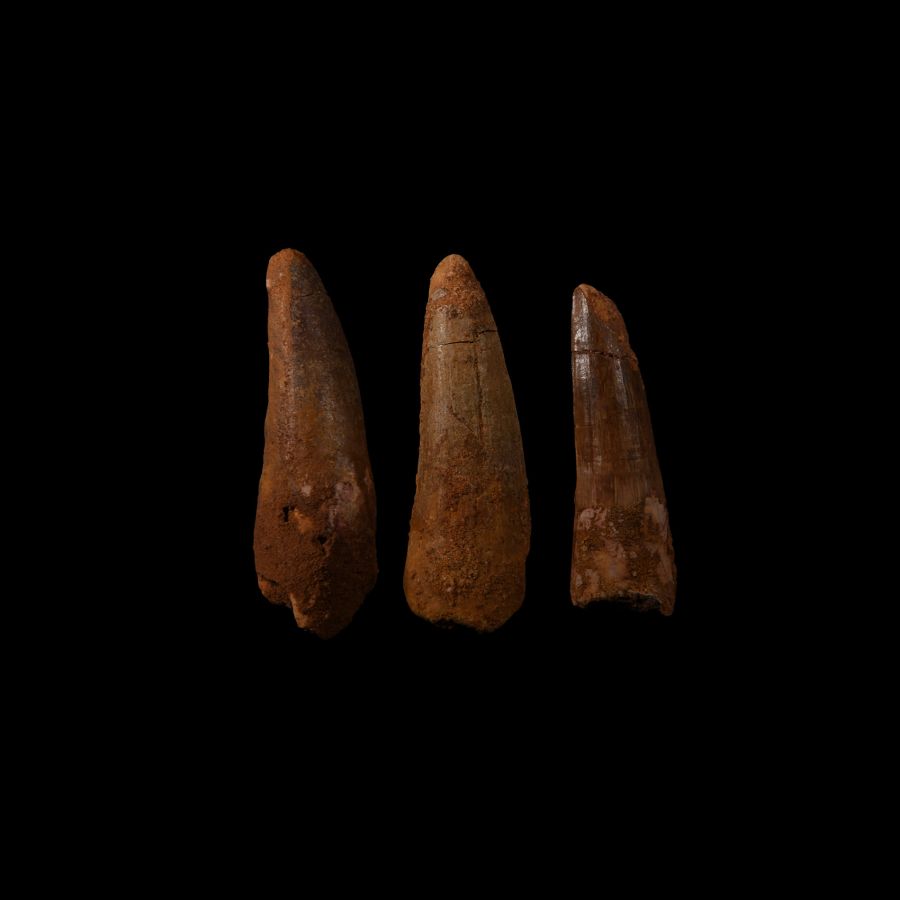
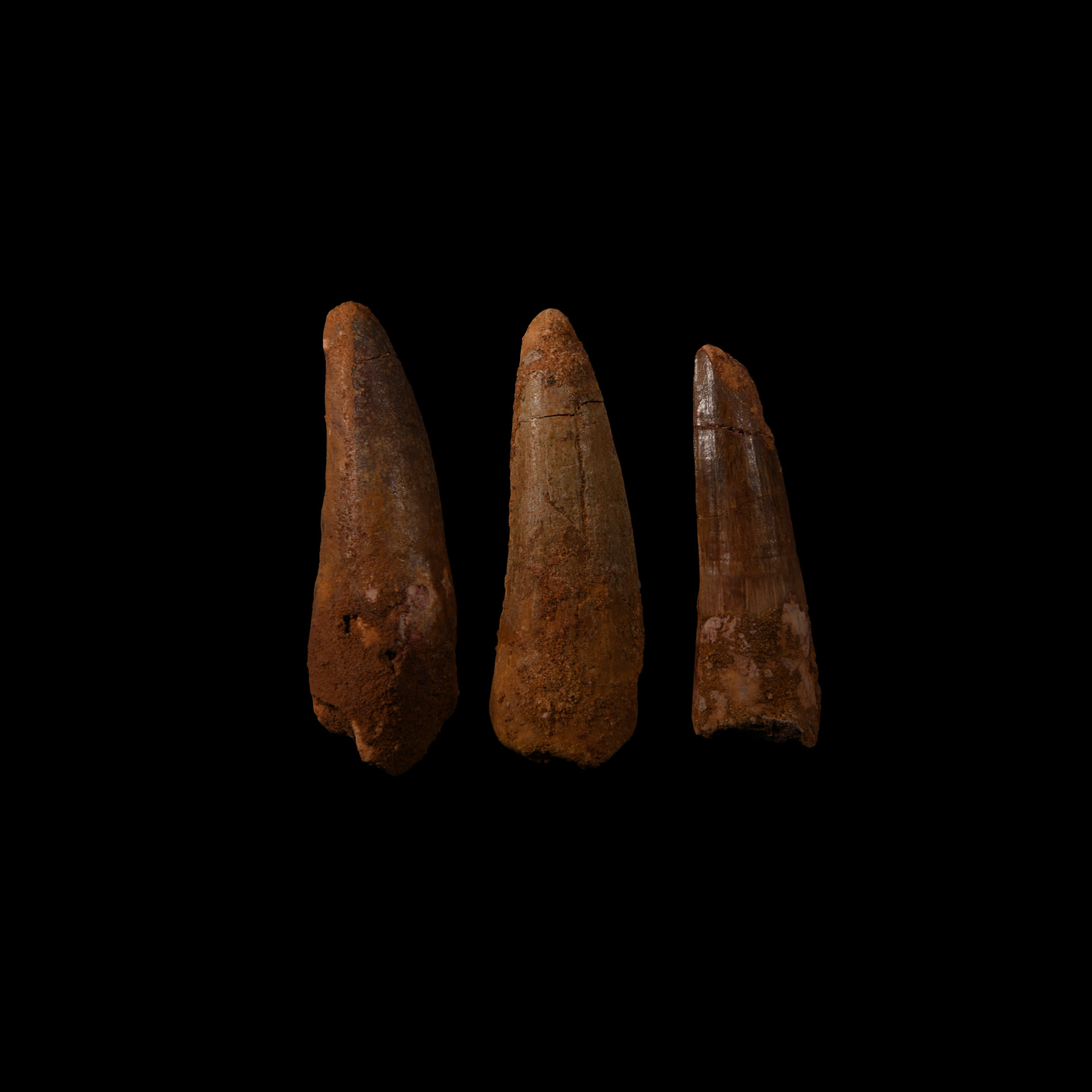
Natural History - Spinosaurus Dinosaur Fossil Tooth Group
CRETACEOUS PERIOD, 145-65 MILLION YEARS B.P.
2 1/4 - 2 1/2 in. (56 grams total, 57-64 mm).
A trio of Spinosaurus sp. fossil teeth with remains of enamelling. [3, No Reserve]
ProvenanceEx Lincolnshire, UK, collection.
FootnotesThe Spinosaurus was both a beachcomber type scavenger and an active hunter taking small stranded Plesiosaurs, Pterosaurs, turtles and large fish.
CONDITIONTimeLine Auctions follows a vetting process to ensure the authenticity and legality of all items, reinforcing our commitment to integrity and responsible trading. Each antiquity, antique, and coin lot undergoes thorough examination by a vetting committee of at least ten external specialists, professional trade association members, scientists, and archaeologists: Our Vetting Process
AUCTIONS:
TimeLine is a leading auction house specialising in antiquities, ancient art, collectables, natural history, coins, medals, and books. Our auctions offer museums, collectors, historians, and enthusiasts the opportunity to acquire unique and historically significant pieces.
LOT 1869
Natural History - Spinosaurus Dinosaur Fossil Tooth Group
Sold for (Inc. bp): £104
-
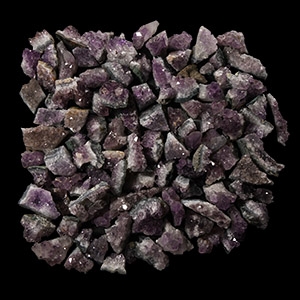
Natural History - Amethyst Crystal Specimen Group
Sold for (Inc. bp): £39
A group of 100 amethyst geode sections displaying purple crystals of various sizes and shades of purple. 2.41 kg total, 25-67 mm
Mineral Imports, London, UK. Gregory, Bottley & Lloyd (Gregory's). -
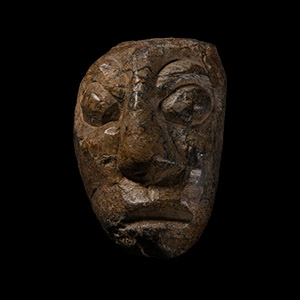
Natural History - Mastodon Fossil Tusk Carving
Pliocene Period, 5.2-2.5 million years B.P.Sold for (Inc. bp): £195
A fossil mastodon tusk with later carved stylised face. 81 grams, 60 mm
Fine condition.
Acquired 1980s. London, UK, collection. Property of a Sussex, UK, teacher. -
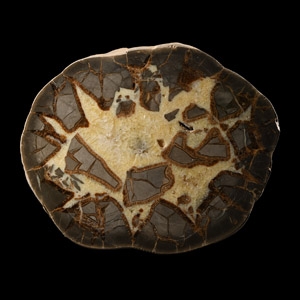
Natural History - Very Large Septarian Cut and Polished 'Alien Egg' Geode Half
Sold for (Inc. bp): £52
A cut and polished septarian egg half, the centre filled with calcite crystals surrounded by a thin layer of aragonite, the outer layer of grey limestone; a beautiful display piece. 3.8 kg, 20.5 cm
Mineral Imports, London, UK. Gregory, Bottley & Lloyd (Gregory's).
