
Loading, please wait...
LOT 2050
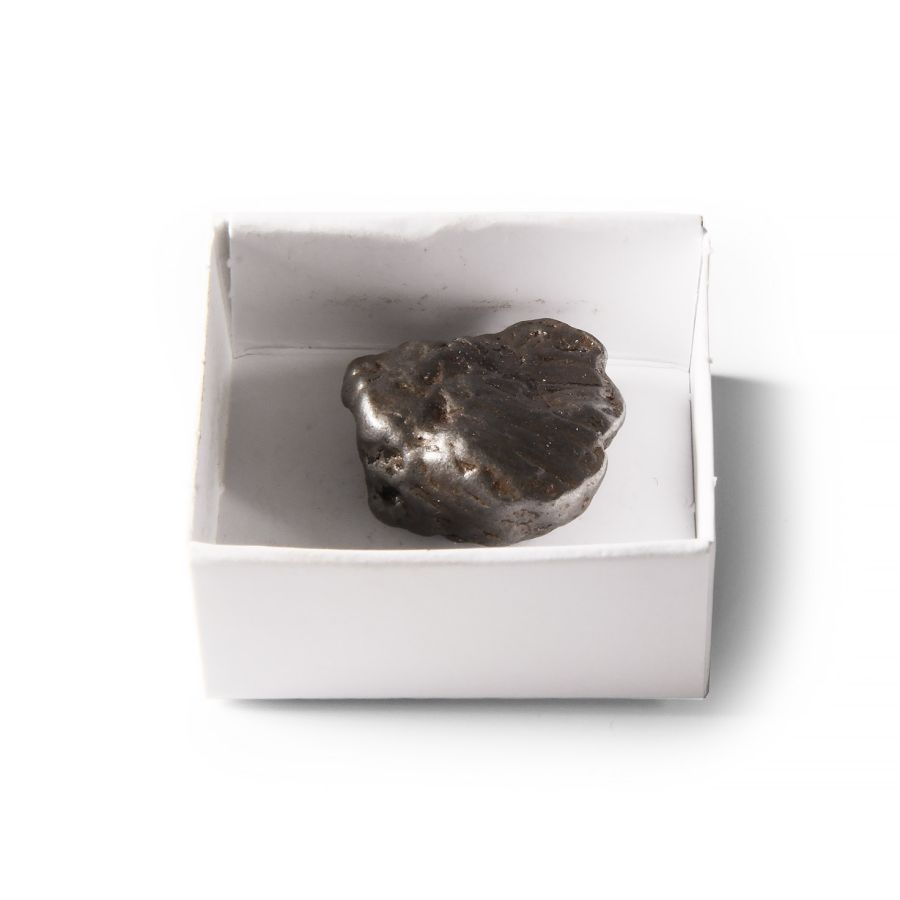
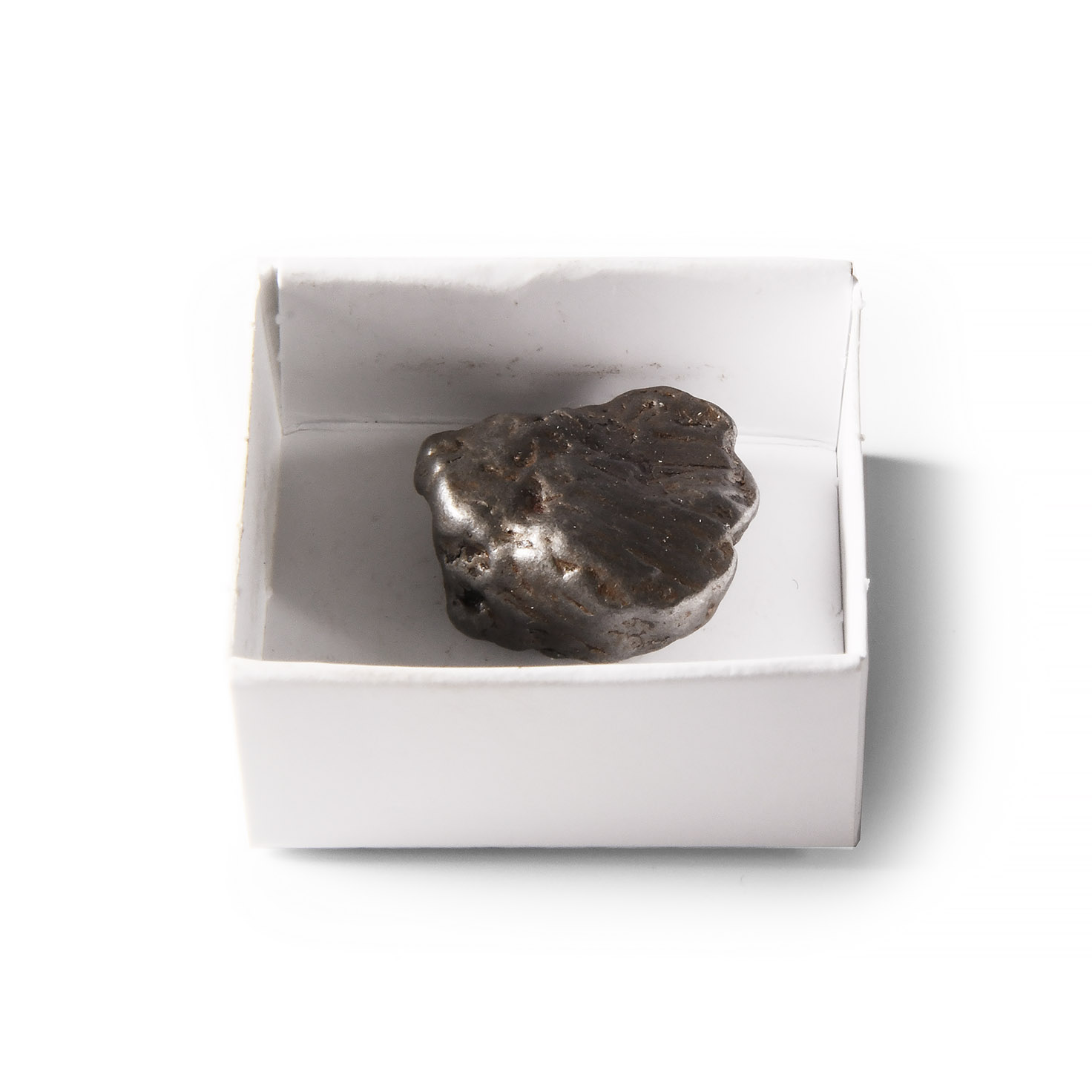
Natural History - Sikhote Alin Meteorite
FELL 12TH FEBRUARY 1947 A.D.
1 in. (18 grams, 25 mm).
The iron meteorite (chemical group IIAB) with a coarse octahedrite structure. [No Reserve]
ProvenanceFrom Sikhote-Alin Mountains, Primorye, Russia.
From a Lincolnshire, UK, collection.
The Sikhote-Alin meteorite fell during daylight at 10:38 am local time on 12th February, 1947. Witnesses reported a fireball that was brighter than the sun. It came from about 15 degrees east of north and descended at an angle of 41 degrees. It left a trail of smoke and dust 20 miles long which lingered for several hours. Light and sound of the fall were observed for two hundred miles around the point of impact.
CONDITIONTimeLine Auctions follows a vetting process to ensure the authenticity and legality of all items, reinforcing our commitment to integrity and responsible trading. Each antiquity, antique, and coin lot undergoes thorough examination by a vetting committee of at least ten external specialists, professional trade association members, scientists, and archaeologists: Our Vetting Process
AUCTIONS:
TimeLine is a leading auction house specialising in antiquities, ancient art, collectables, natural history, coins, medals, and books. Our auctions offer museums, collectors, historians, and enthusiasts the opportunity to acquire unique and historically significant pieces.
-
.jpg)
Natural History - Amber with Insect Inclusions
Oligocene Period, circa 45 million years B.P.Sold for (Inc. bp): £46
Polished dark amber with insect and other inclusions. 2.6 grams, 24 mm
From a North American collection. Property of an East Sussex, UK, gentleman. -
![Natural History - Boxed Apatite Crystal Collection [10]](https://timelineauctions.com/upload/images/items/small/208074-s.jpg)
Natural History - Boxed Apatite Crystal Collection [10]
Sold for (Inc. bp): £7
Comprising terminals and sections of prismatic crystals in labelled specimen trays. 58 grams total, 11-21 mm
From Durango, Mexico. Ex Mineral Imports, London, UK. Gregory, Bottley & Lloyd (Gregory's). -
![Natural History - Polished Aventurine Quartz Crystal Pebble Group [100]](https://timelineauctions.com/upload/images/items/small/208057-s.jpg)
Natural History - Polished Aventurine Quartz Crystal Pebble Group [100]
Sold for (Inc. bp): £7
Of irregular sizes and shapes in light and darker green colour. 689 grams total, 23-32 mm
Ex Mineral Imports, London, UK. Gregory, Bottley & Lloyd (Gregory's).
