
Loading, please wait...
LOT 1739
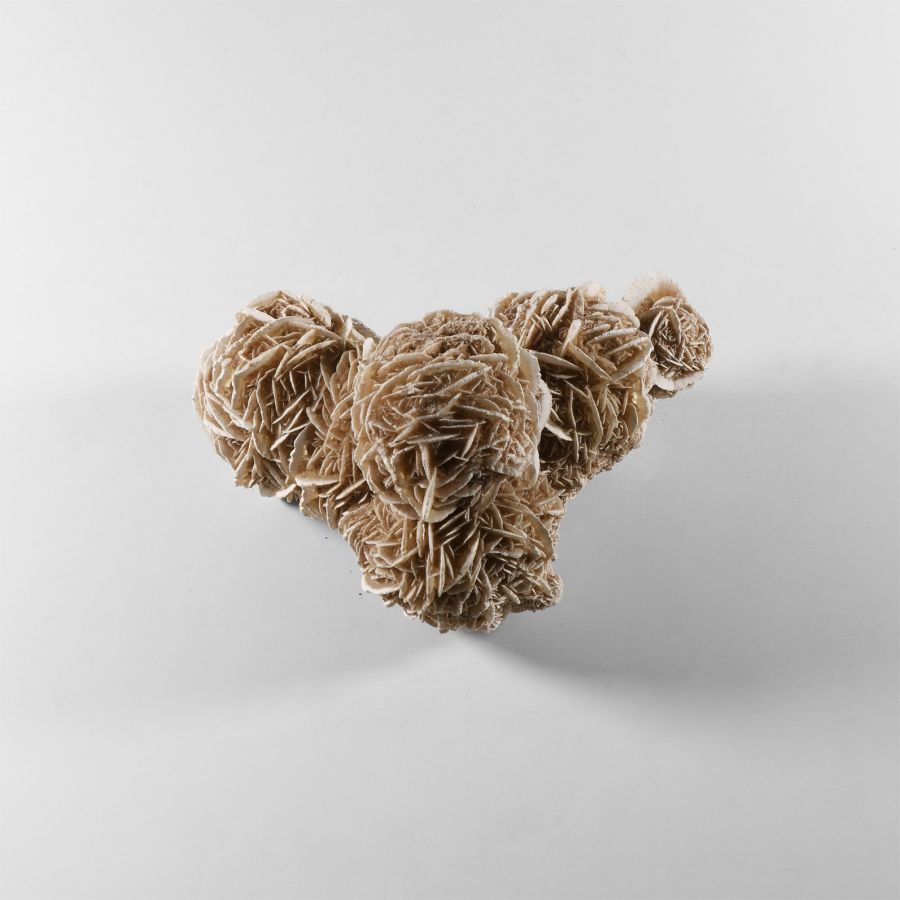
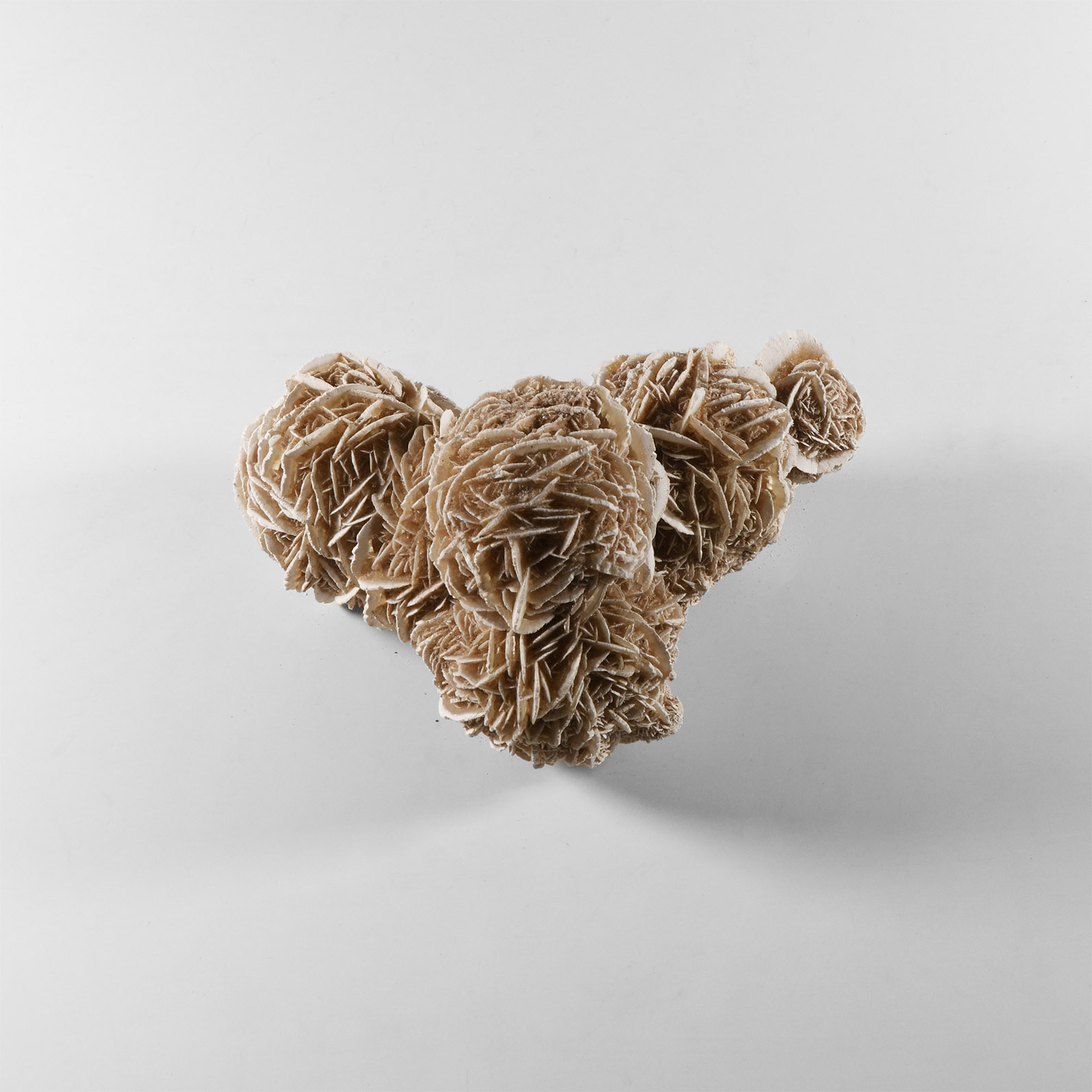
Natural History - Selenite 'Desert Rose' Cluster
5 1/2 in. (586 grams, 14 cm).
A cluster of large selenite 'desert rose' specimens. [No Reserve]
ProvenanceEx Cambridgeshire, UK, collection.
CONDITIONTimeLine Auctions follows a vetting process to ensure the authenticity and legality of all items, reinforcing our commitment to integrity and responsible trading. Each antiquity, antique, and coin lot undergoes thorough examination by a vetting committee of at least ten external specialists, professional trade association members, scientists, and archaeologists: Our Vetting Process
AUCTIONS:
TimeLine is a leading auction house specialising in antiquities, ancient art, collectables, natural history, coins, medals, and books. Our auctions offer museums, collectors, historians, and enthusiasts the opportunity to acquire unique and historically significant pieces.
-
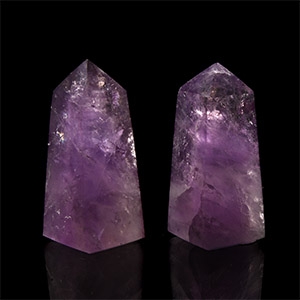
Natural History - Cut and Polished Amethyst Crystal Obelisk Group
Sold for (Inc. bp): £16
A group of two cut and polished amethyst obelisks; held in a white card collector's tray. 70 grams total, 46-48 mm
Mineral Imports, London, UK. Gregory, Bottley & Lloyd (Gregory's). -
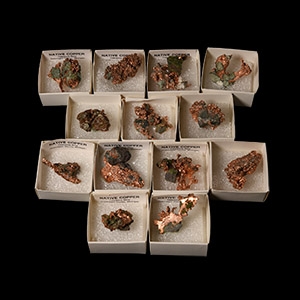
Natural History - Caledonia Mine Native Copper Specimen Group
Sold for (Inc. bp): £7
A group of 13 Caledonia mine native copper specimens, each mounted on foam and held in a white card collector's tray accompanied by an identification label; accompanied by typed labels reading 'Michigan copper ore. Calumet and Helca conglomerate centennial #6 mine Houghton Co., Michigan.' 209 grams total, 41 mm each including box
From Caledonia Mine, Ontonagon County, Michigan, USA. Mineral Imports, London, UK. Gregory, Bottley & Lloyd (Gregory's). -
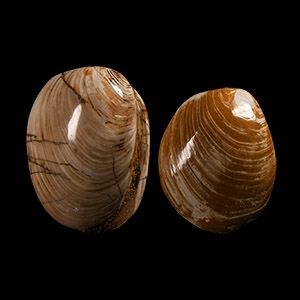
Natural History - Fossil Bivalve Group
Jurassic Period, circa 150 million years B.P.Sold for (Inc. bp): £26
A pair of fossilised bivalves. 434 grams total, 71-83 mm
From the Morondava River Basin, Atsimo-Andrefana region, Southwest Madagascar. From an old Oxfordshire, UK, fossil and mineral collection.
