
Loading, please wait...
LOT 2043
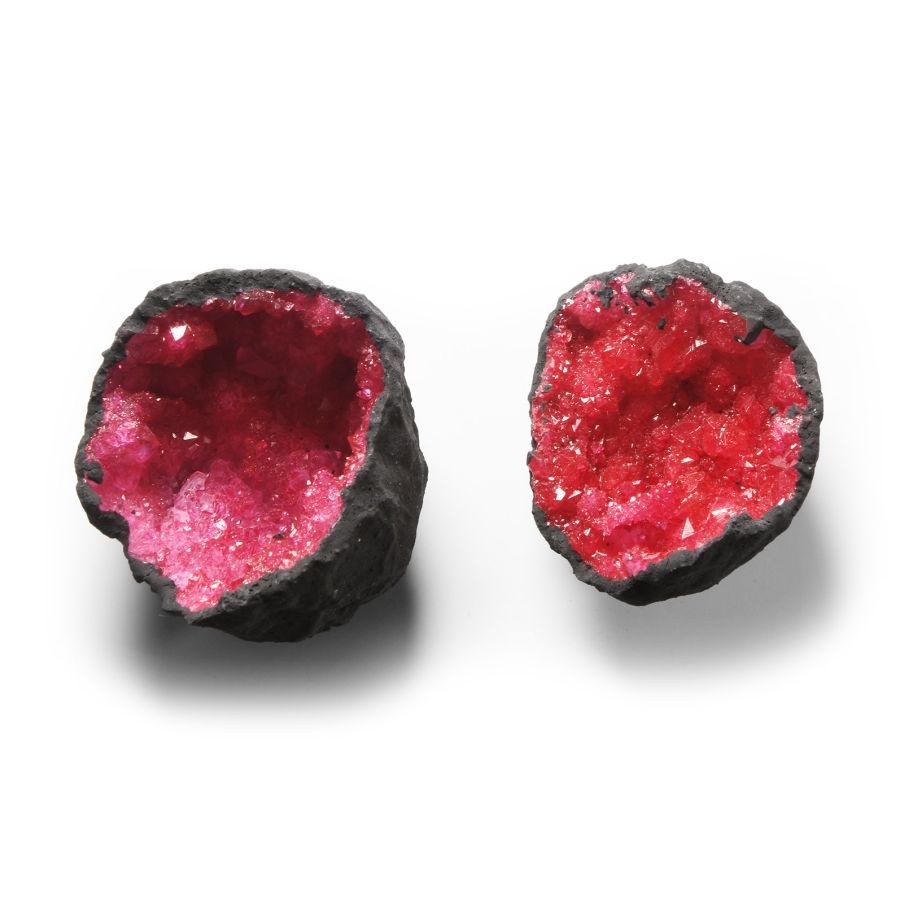
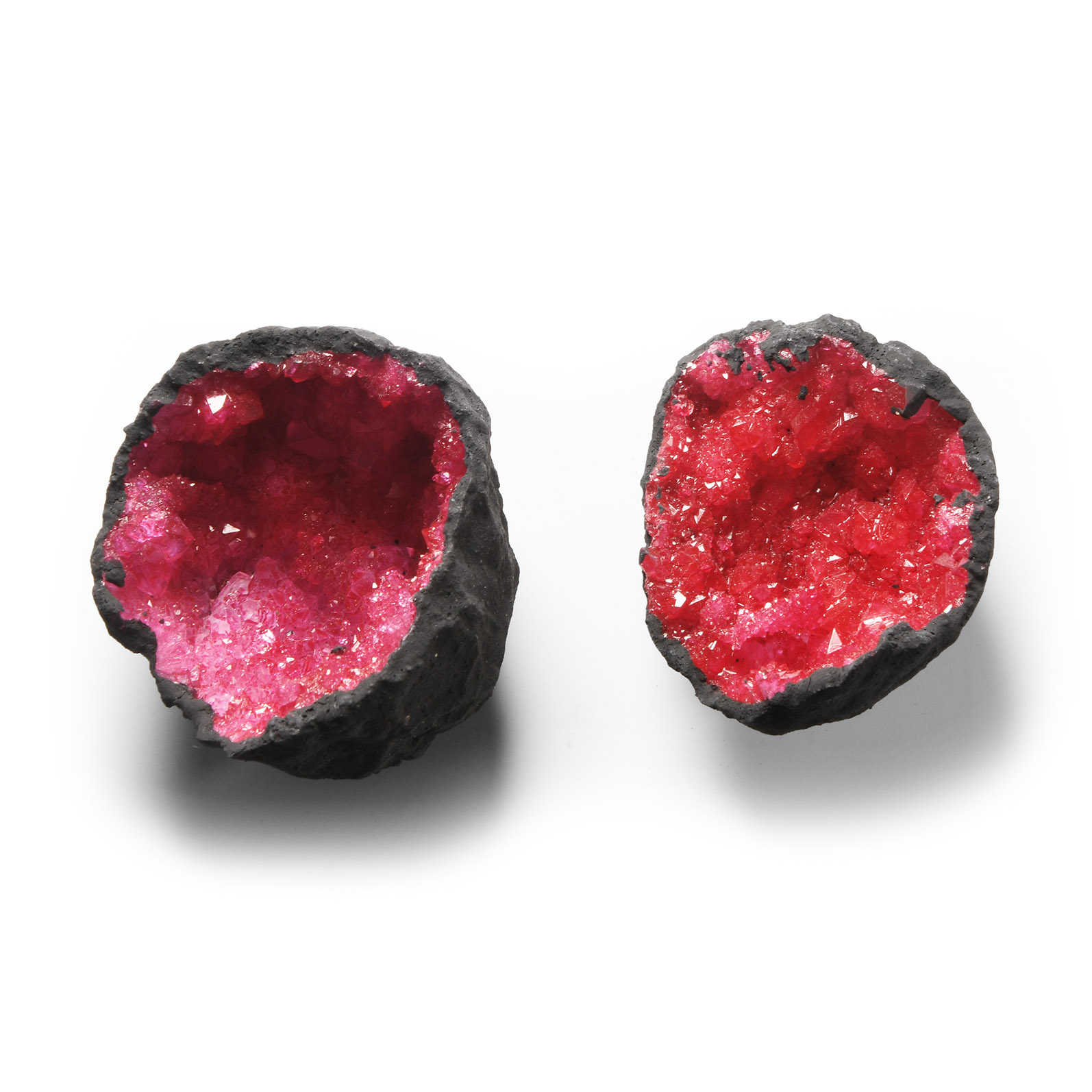
Natural History - Red Quartz Nodule
2 1/4 in. (122 grams, 56 mm each).
The rounded pebble opened to reveal the internal cavity filled with quartz crystals in enhanced red colour. [2, No Reserve]
ProvenanceFrom a Cambridgeshire, UK, collection.
CONDITIONTimeLine Auctions follows a vetting process to ensure the authenticity and legality of all items, reinforcing our commitment to integrity and responsible trading. Each antiquity, antique, and coin lot undergoes thorough examination by a vetting committee of at least ten external specialists, professional trade association members, scientists, and archaeologists: Our Vetting Process
AUCTIONS:
TimeLine is a leading auction house specialising in antiquities, ancient art, collectables, natural history, coins, medals, and books. Our auctions offer museums, collectors, historians, and enthusiasts the opportunity to acquire unique and historically significant pieces.
-
Natural History - Whitby Dac Fossil Ammonite Cluster
Lower Jurassic Period, Toarcian Stage, circa 180 million years B.P.Sold for (Inc. bp): £20
The roughly tear-shaped matrix containing a large quantity of ammonites and negative impressions. 767 grams, 17 cm
From Witby, UK. From a Lincolnshire, UK, collection. -
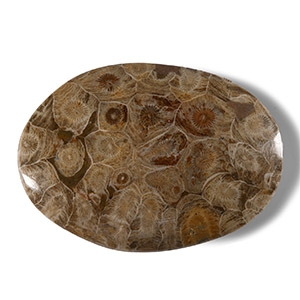
Natural History - Polished Fossil Hexagonaria Coral
Devonian Period, circa 350 million years B.P.Sold for (Inc. bp): £33
Polished on both sides to an oval shape, showing the structure of the coral. 300 grams, 10.4 cm
From Western Sahara, Morocco. From an old Oxfordshire, UK, fossil and mineral collection. -
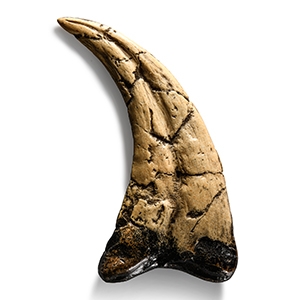
Natural History - Utahraptor Killing Claw Replica
Sold for (Inc. bp): £39
A museum-quality reproduction of a killing claw from a dromaeosaurid dinosaur. 79 grams, 16 cm
From an old Lincolnshire, UK, collection.
