
Loading, please wait...
LOT 2499
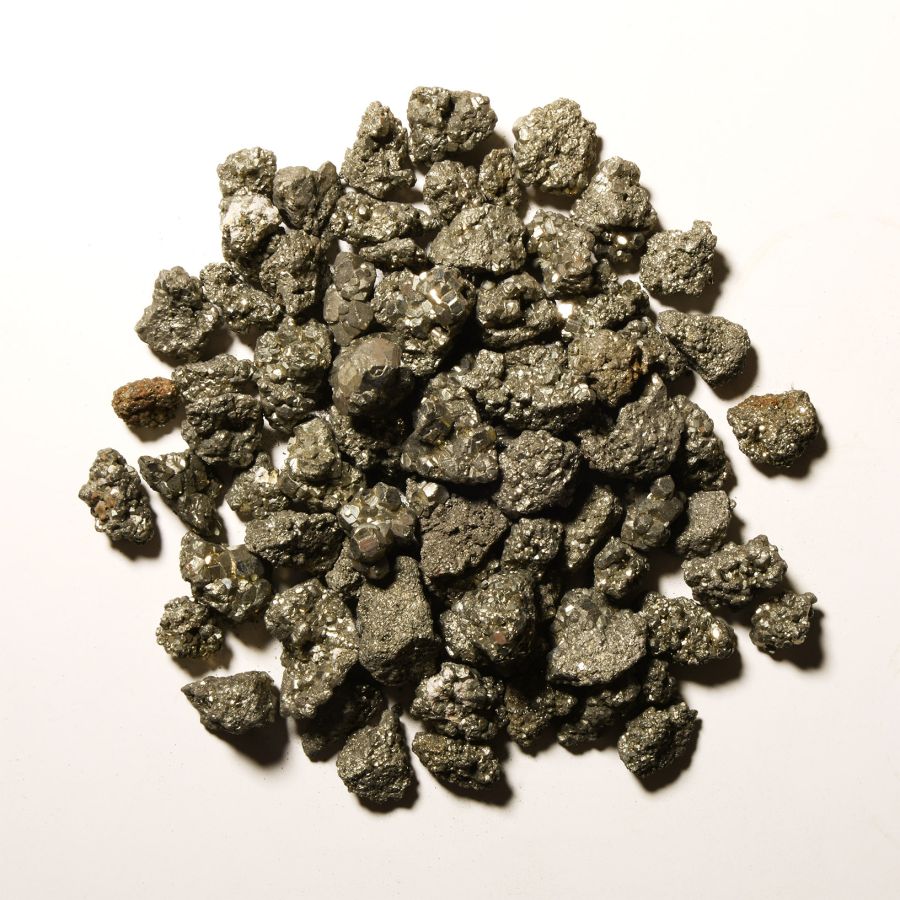
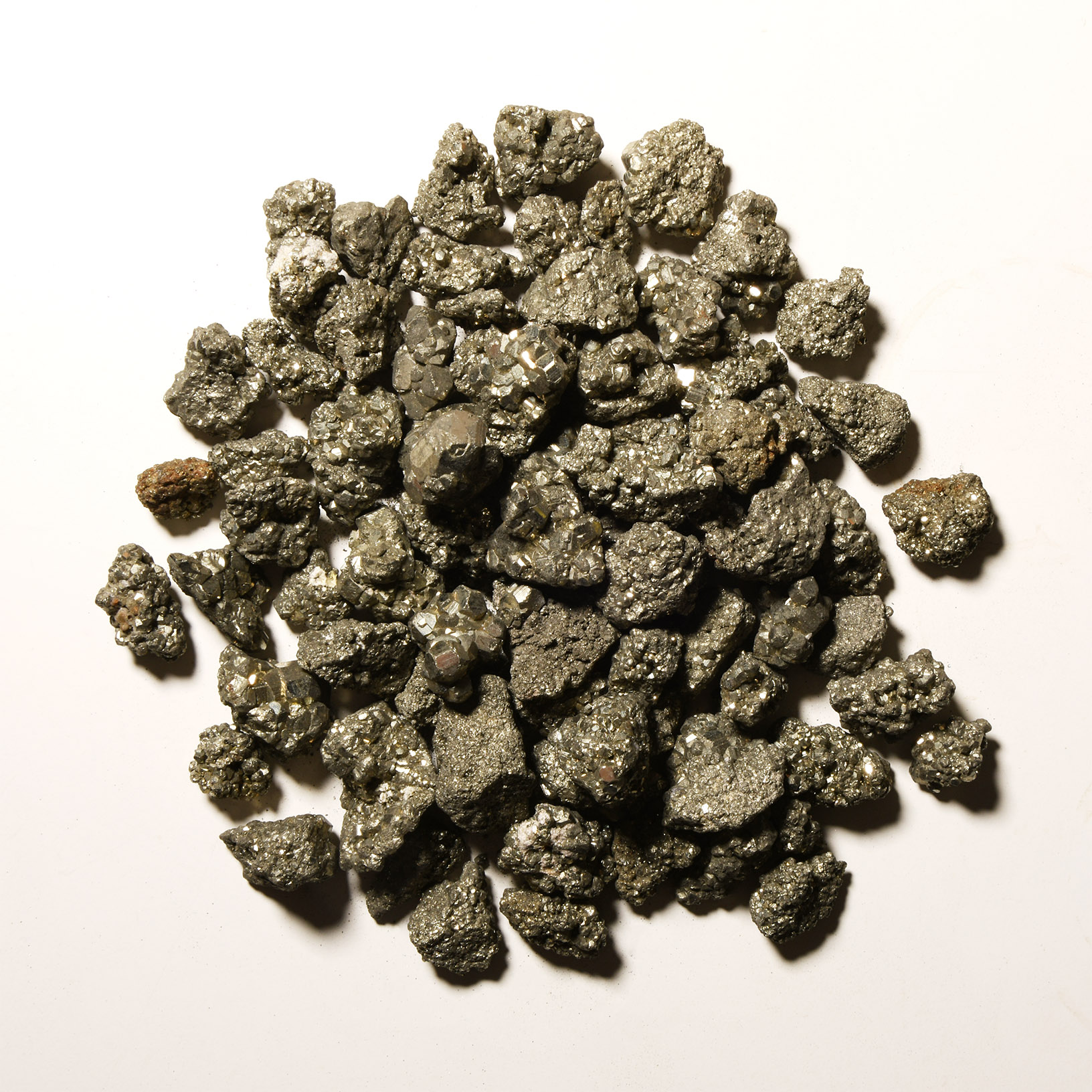
Natural History - Pyrites 'Fool's Gold' Crystal Specimen Group
1/2 - 1 3/8 in. (672 grams total, 15-36 mm).
Comprising around 80 pyrites or 'fool's gold' crystal specimens. [80, No Reserve]
ProvenanceFrom Peru.
From the historic ‘Victorian Museum’ or later collection of Gregory, Bottley & Lloyd (Gregory's); formerly Gregory, Bottley & Co.
(1932-1981) and previously J.R.Gregory & Co. (1898-1932); originally James Reynolds Gregory (1858-1898).
Acquired on the UK art market.
Property of a Ruislip, UK, gentleman, by inheritance.
TimeLine Auctions follows a vetting process to ensure the authenticity and legality of all items, reinforcing our commitment to integrity and responsible trading. Each antiquity, antique, and coin lot undergoes thorough examination by a vetting committee of at least ten external specialists, professional trade association members, scientists, and archaeologists: Our Vetting Process
AUCTIONS:
TimeLine is a leading auction house specialising in antiquities, ancient art, collectables, natural history, coins, medals, and books. Our auctions offer museums, collectors, historians, and enthusiasts the opportunity to acquire unique and historically significant pieces.
LOT 2499
Natural History - Pyrites 'Fool's Gold' Crystal Specimen Group
Sold for (Inc. bp): £7
-
Natural History - Woolly Mammoth Tusk Section
Pleistocene Age, circa 40.000 years B.P.Sold for (Inc. bp): £143
Displaying some attractive patterning. 126 grams, 19 cm
From the North Sea. From an old Bristol, UK, collection. -
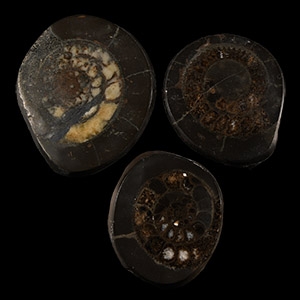
Natural History - Polished Whitby Dac Fossil Ammonite Group
Lower Jurassic Period, Toarcian Stage, circa 180 million years B.P.Sold for (Inc. bp): £33
Comprising three cut nodules containing Dactylioceras tenuicostatum ammonite. 320 grams total, 64-81 mm
Ex Lincolnshire, UK, collection. -
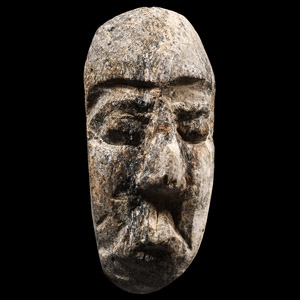
Natural History - Mastodon Bone Face Carving
Pliocene Period, 5.2-2.5 million years B.P.Sold for (Inc. bp): £65
Displaying a later carved stylised face with exaggerated facial detailing. 74 grams, 78 mm
Private UK collection formed in the 1980s. Property of an East Sussex, UK, teacher.
