
Loading, please wait...
LOT 2436
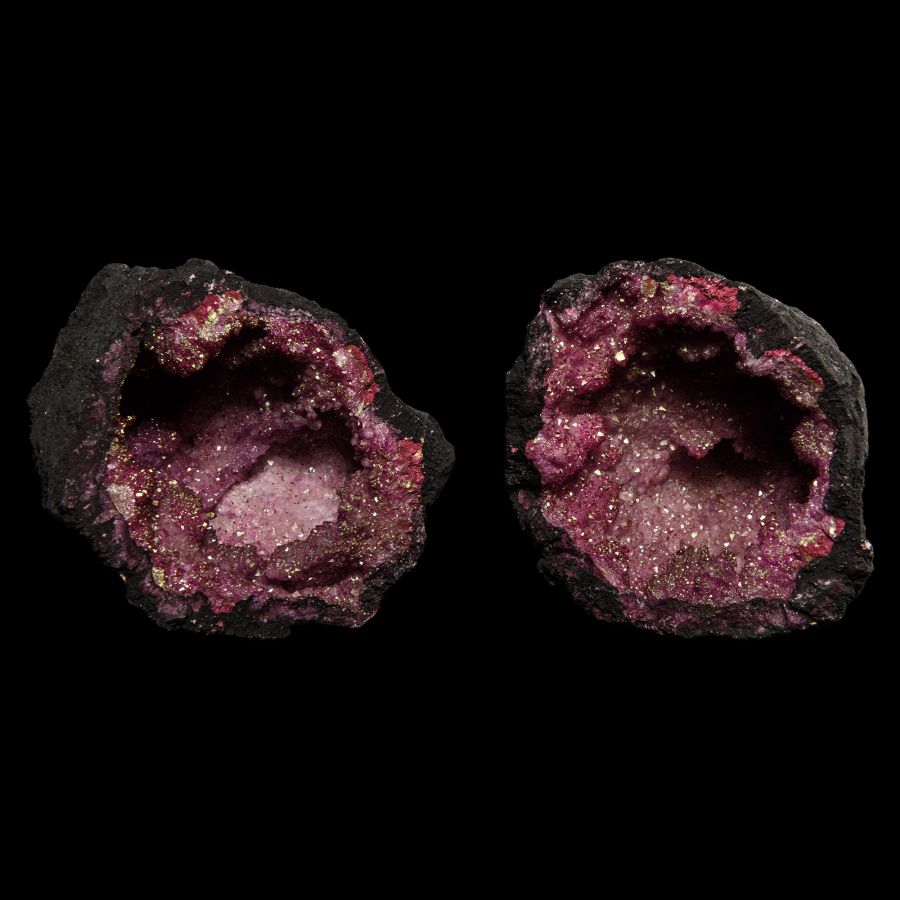
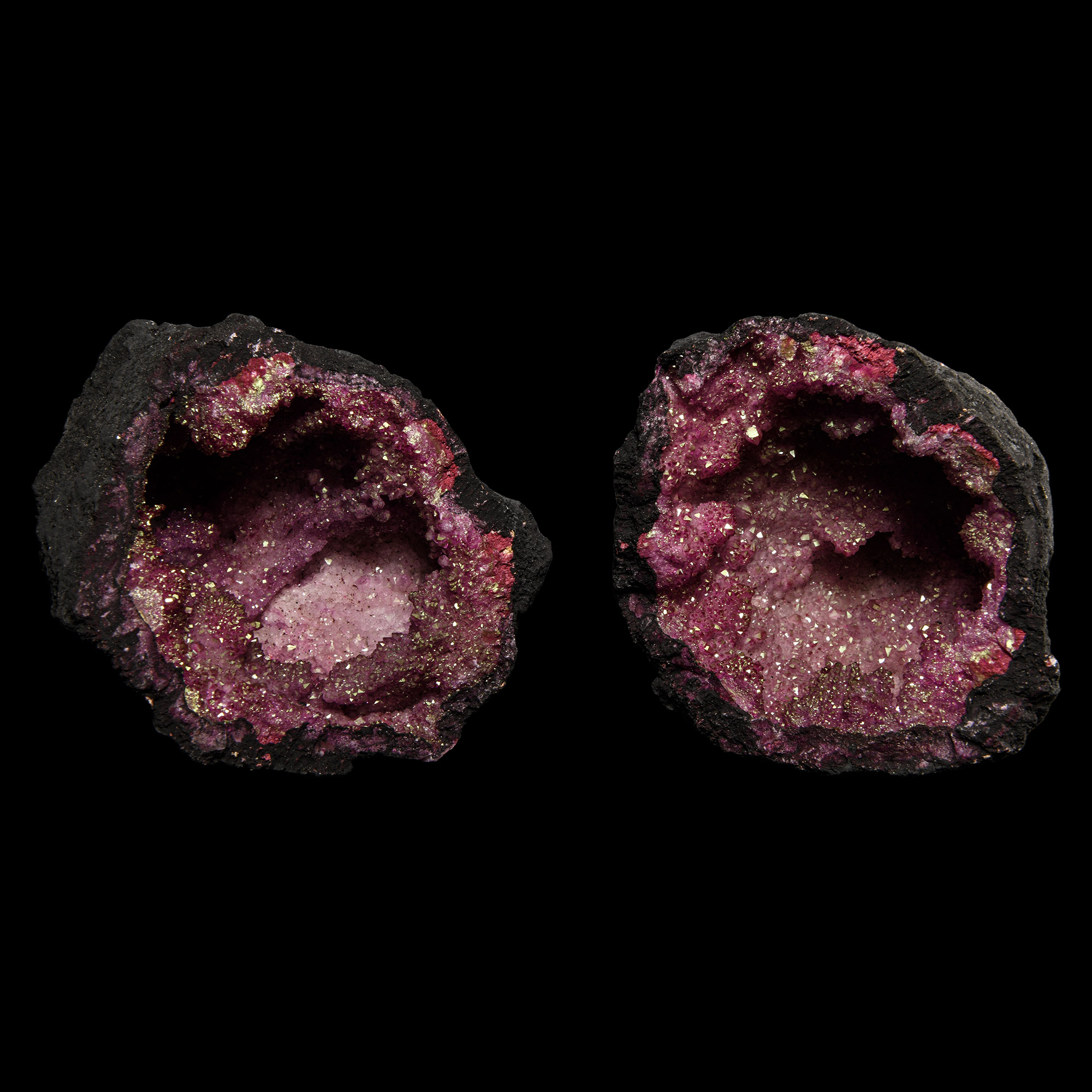
Natural History - Purple Coloured Crystal Nodule
4 - 4 1/8 in. (770 grams total, 10.1-10.5 cm).
Comprising two halves with enhanced coloured crystals. [2, No Reserve]
ProvenanceEx Cambridgeshire, UK, collection.
CONDITIONTimeLine Auctions follows a vetting process to ensure the authenticity and legality of all items, reinforcing our commitment to integrity and responsible trading. Each antiquity, antique, and coin lot undergoes thorough examination by a vetting committee of at least ten external specialists, professional trade association members, scientists, and archaeologists: Our Vetting Process
AUCTIONS:
TimeLine is a leading auction house specialising in antiquities, ancient art, collectables, natural history, coins, medals, and books. Our auctions offer museums, collectors, historians, and enthusiasts the opportunity to acquire unique and historically significant pieces.
-
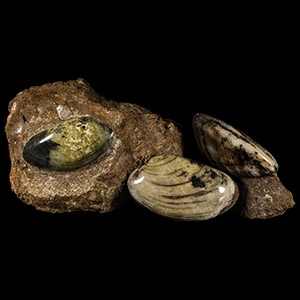
Natural History - British Cardinia Fossil Bivalve Display Collection
Jurassic Period, circa 201-202 million years B.P.Sold for (Inc. bp): £104
Comprising three polished specimens of Cardinia sp. fossil bivalves, two in matrices, one accompanied by a display stand; from the Frodingham formation. 2.6 kg total, 12.5-21 cm
From the exhausted Conesey Quarry, Scunthorpe, Lincolnshire, UK. -
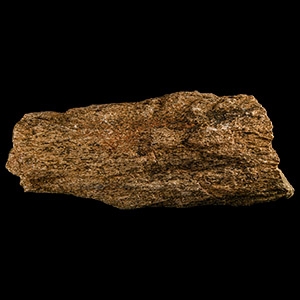
Natural History - Triceratops Dinosaur Frill Bone Section
Upper Cretaceous Period, circa 70 million years B.P.Sold for (Inc. bp): £52
Comprising a large rectangular section of the frill bone. 197 grams, 12.5 cm
From Lance Creek Formation, Weston Co., Wyoming, USA. Collected 1930-1960. From the collection of the palaeontologist R Gledhill. -
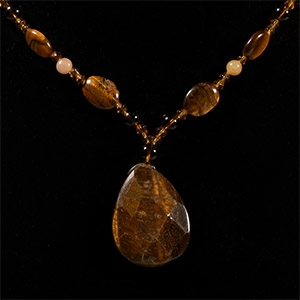
Natural History - Tiger's Eye Pendant Designer Necklace
20th century A.D.Sold for (Inc. bp): £52
Featuring quartz or agate beads, biconical glass beads and oval tiger's eye beads, with a facetted tear-shaped tiger's eye pendant bead. 36 grams total, 42 cm long
UK gallery, early 2000s.
