
Loading, please wait...
LOT 1952
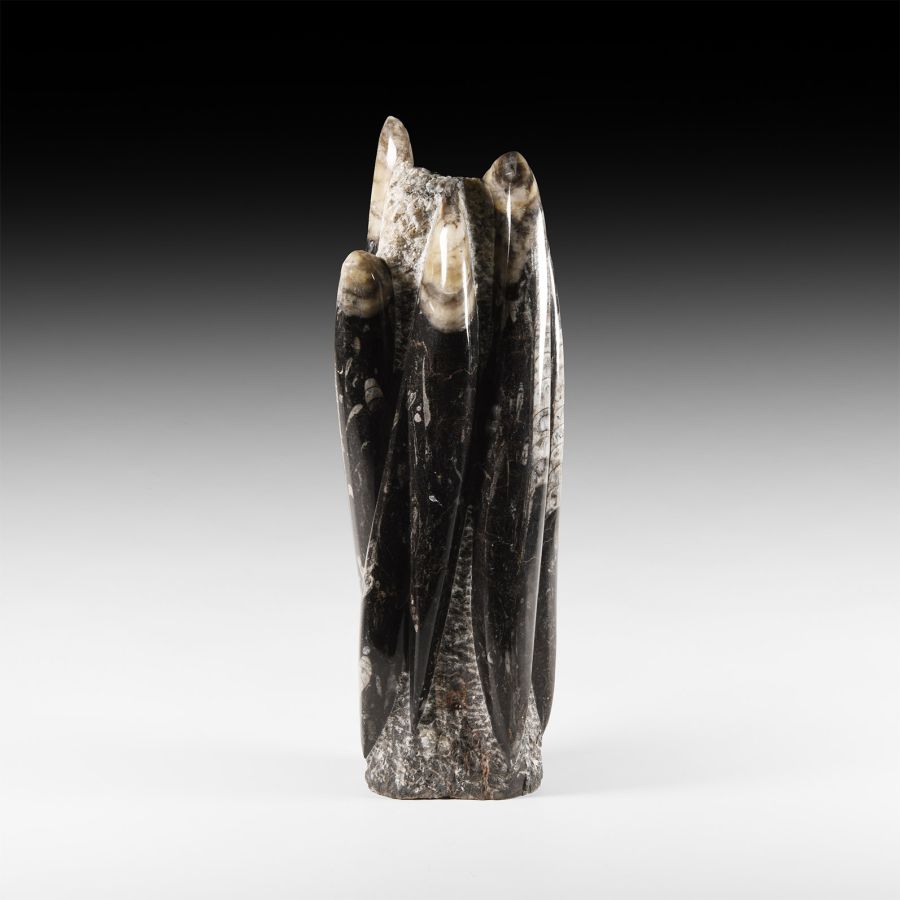
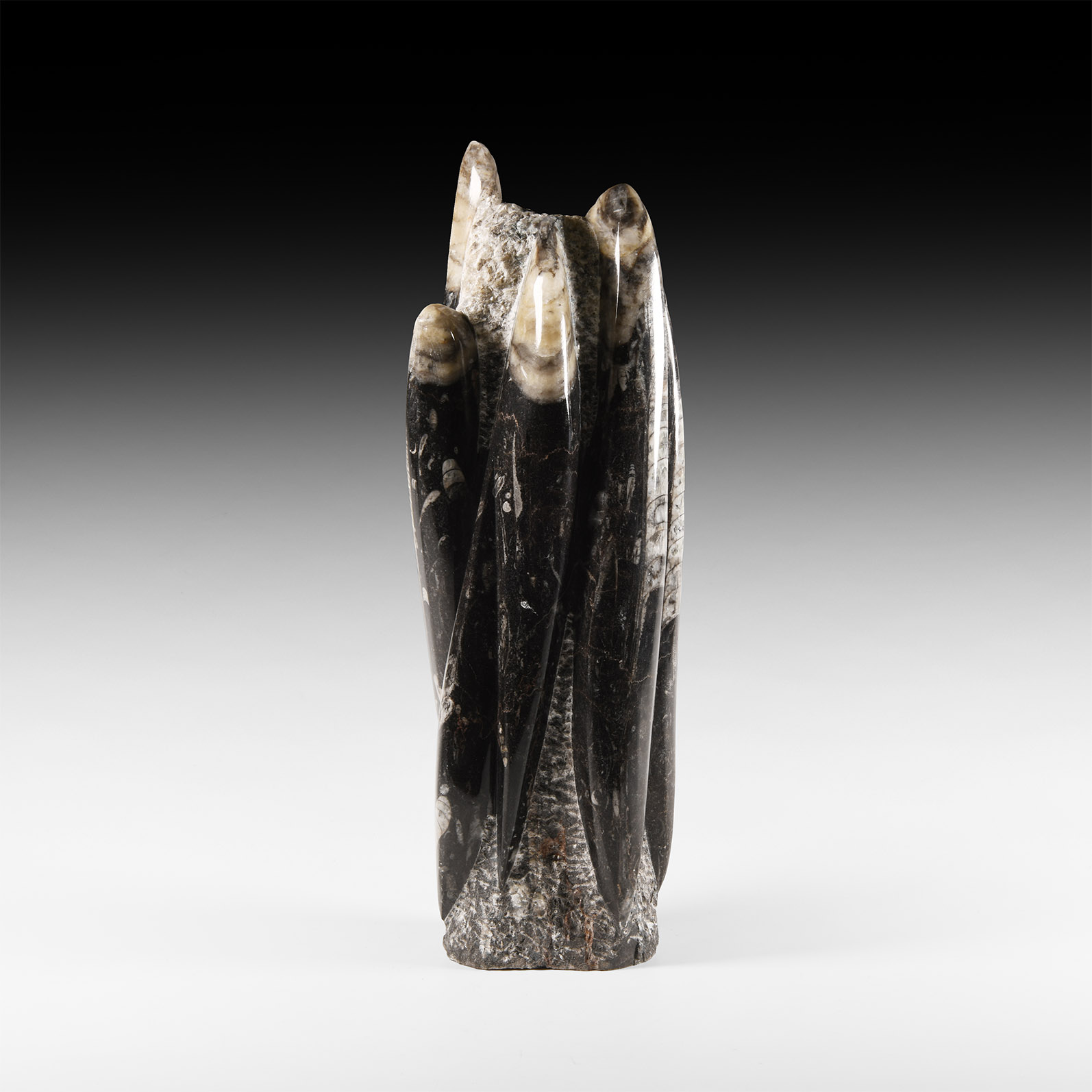
Natural History - Polished Orthoceras Fossil Tower
DEVONIAN PERIOD, CIRCA 370 MILLION YEARS B.P.
12 /4 in. (3.1 kg, 31 cm high).
A free-standing pillar of seven polished Orthoceras fossils. [No Reserve]
ProvenanceFrom the Atlas Mountains, Morocco, North Africa.
From an old Bristol paleontological collection.
TimeLine Auctions follows a vetting process to ensure the authenticity and legality of all items, reinforcing our commitment to integrity and responsible trading. Each antiquity, antique, and coin lot undergoes thorough examination by a vetting committee of at least ten external specialists, professional trade association members, scientists, and archaeologists: Our Vetting Process
AUCTIONS:
TimeLine is a leading auction house specialising in antiquities, ancient art, collectables, natural history, coins, medals, and books. Our auctions offer museums, collectors, historians, and enthusiasts the opportunity to acquire unique and historically significant pieces.
-
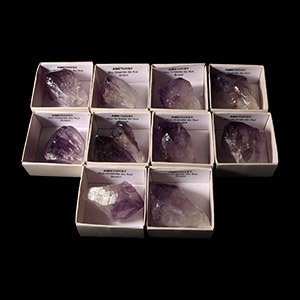
Natural History - Amethyst Crystal Specimen Group
Sold for (Inc. bp): £13
A group of ten amethyst crystal specimens, each held in a white card collector's tray labelled 'Rio Grande do Sul, Brazil'. 587 grams total, 46-62 mm
From Rio Grande do Sul, Brazil. Mineral Imports, London, UK. Gregory, Bottley & Lloyd (Gregory's). -
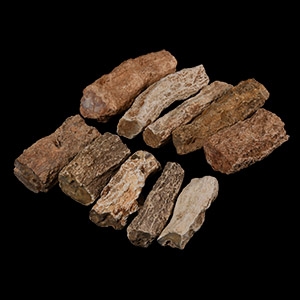
Natural History - Medium Uncut and Polished Fossilised Wood Branch Specimen Group
Sold for (Inc. bp): £33
A group of ten fossil branch sections of varying length and thickness. 1.2 kg total, 6.3-10.7 cm
From Madagascar. Mineral Imports, London, UK. Gregory, Bottley & Lloyd (Gregory's). -
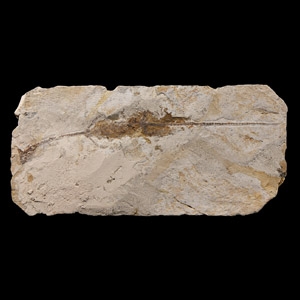
Natural History - Hyphalosaurus Fossil in Matrix
Cretaceous Period, circa 122 million years B.P.Sold for (Inc. bp): £52
A Hyphalosaurus sp. fossil aquatic reptile in a sub-rectangular matrix; held in a display box with a fabric covering. 150 grams, 16 cm (344 grams total, 24.5 x 17.5 cm including box)
From China. Ex Lincolnshire, UK, collection.
Hyphalosaurus means 'submerged lizard' and was a genus of freshwater aquatic reptiles that resembled miniature plesiosaurs. It was an active predator that captured small prey animals like arthropods and fish with a sideways strike, similar to modern crocodiles.
