
Loading, please wait...
LOT 2326
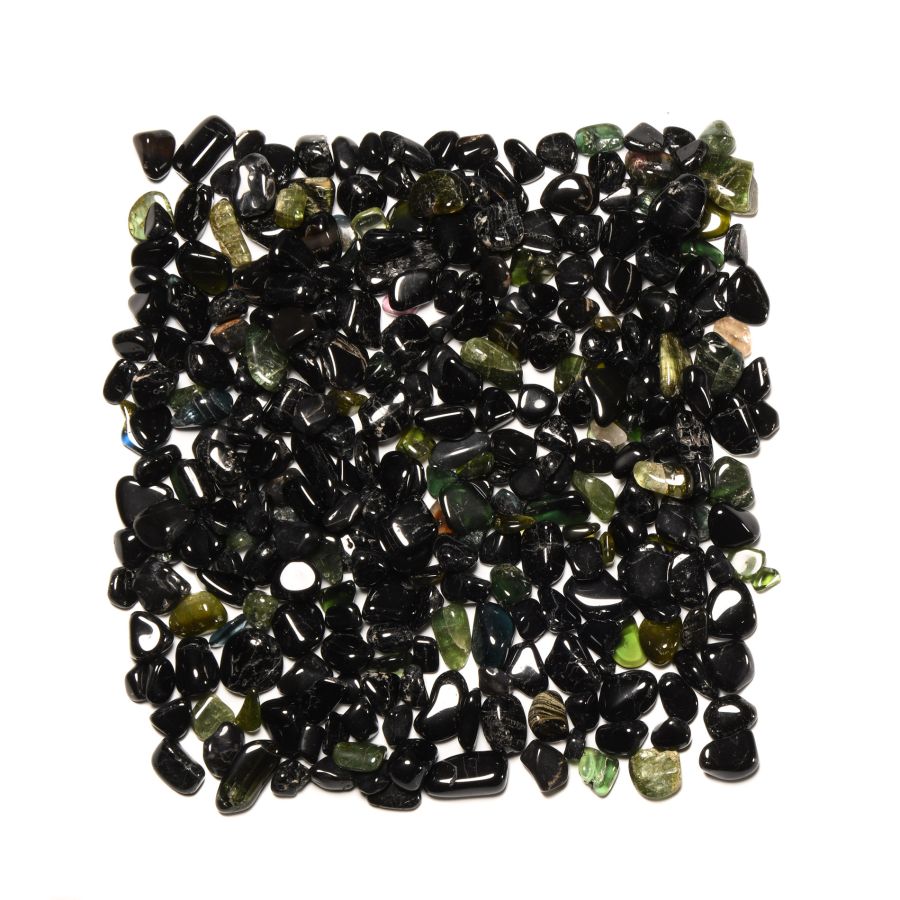
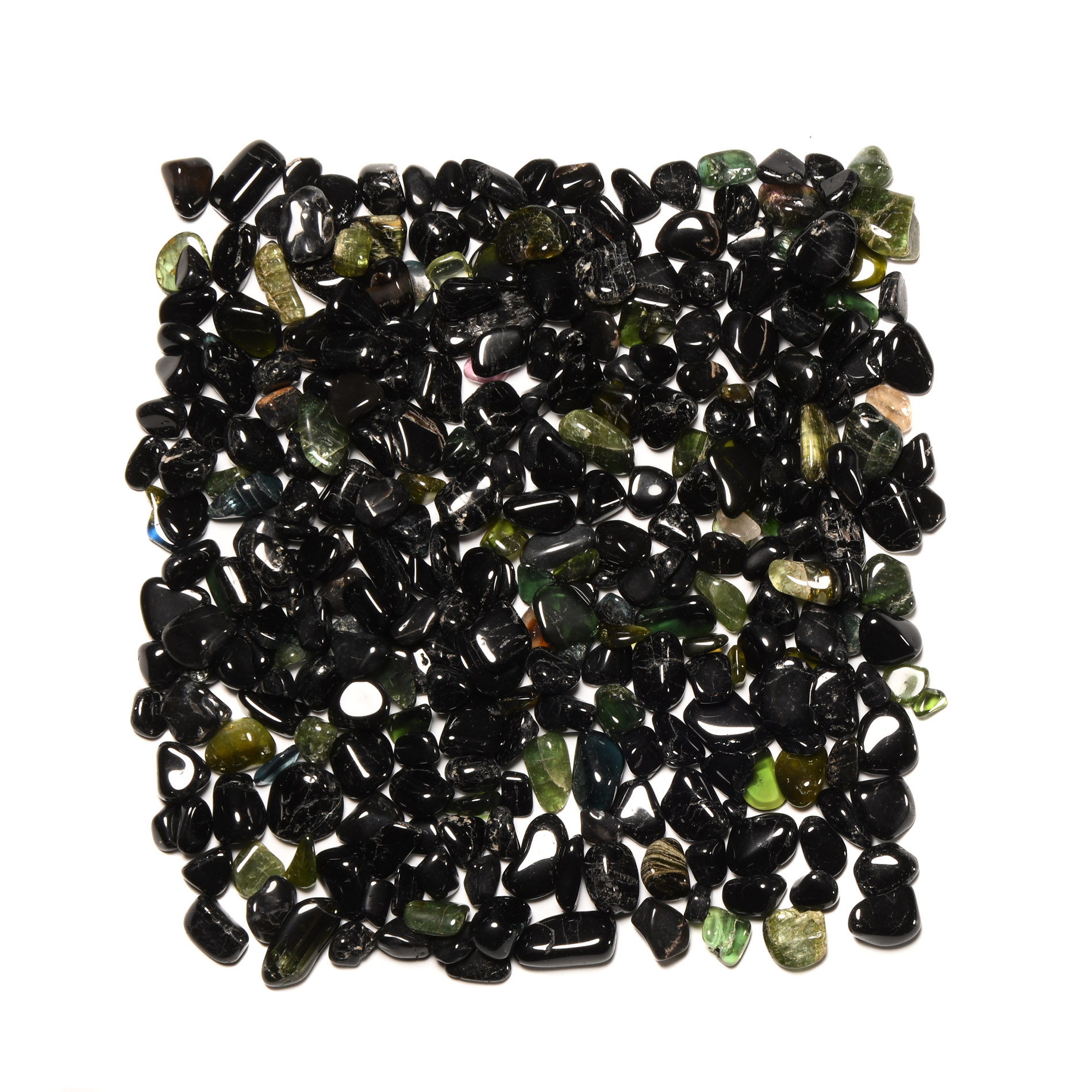
Natural History - Polished Green Tourmaline Group
1/4 - 1/2 in. (99 grams total, 5-13 mm).
Comprising a quantity of over approximately 500 carats of tumble-polished green tourmaline crystals. [No Reserve]
ProvenanceUK gallery, early 2000s.
CONDITIONTimeLine Auctions follows a vetting process to ensure the authenticity and legality of all items, reinforcing our commitment to integrity and responsible trading. Each antiquity, antique, and coin lot undergoes thorough examination by a vetting committee of at least ten external specialists, professional trade association members, scientists, and archaeologists: Our Vetting Process
AUCTIONS:
TimeLine is a leading auction house specialising in antiquities, ancient art, collectables, natural history, coins, medals, and books. Our auctions offer museums, collectors, historians, and enthusiasts the opportunity to acquire unique and historically significant pieces.
-
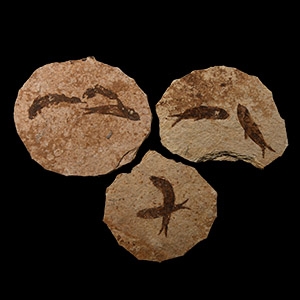
Natural History - Knightia Fossil Fish Group
Eocene Period, 56-33 million years B.P.Sold for (Inc. bp): £65
Comprising three matrices, two with a pair of Knightia alta fossil fish and the third matrix with three specimens. 216 grams total, 8.8-10.4 cm
Ex Lincolnshire, UK, collection. -
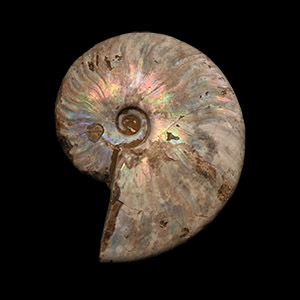
Natural History - Cleoniceras Fossil Ammonite
Middle Cretaceous Period, 150 million years B.P.Sold for (Inc. bp): £65
Displaying much of the natural shell with iridescence. 161 grams, 87 mm
From Madagascar. From an old Oxfordshire, UK, fossil and mineral collection. -
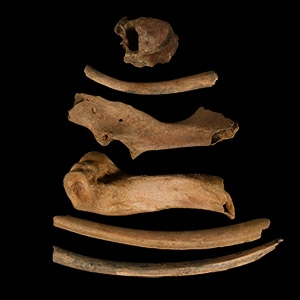
Natural History - Bison Bone Group
Devensian Period, 110,000-12,000 years B.P.Sold for (Inc. bp): £13
Comprising three rib sections, a vertebra, a leg bone fragment and a fragment of a hip bone. 1.3 kg total, 8.8-35.5 cm
From Abingdon, Oxfordshire, UK. Ex Norfolk, UK, collection.
