
Loading, please wait...
LOT 1971
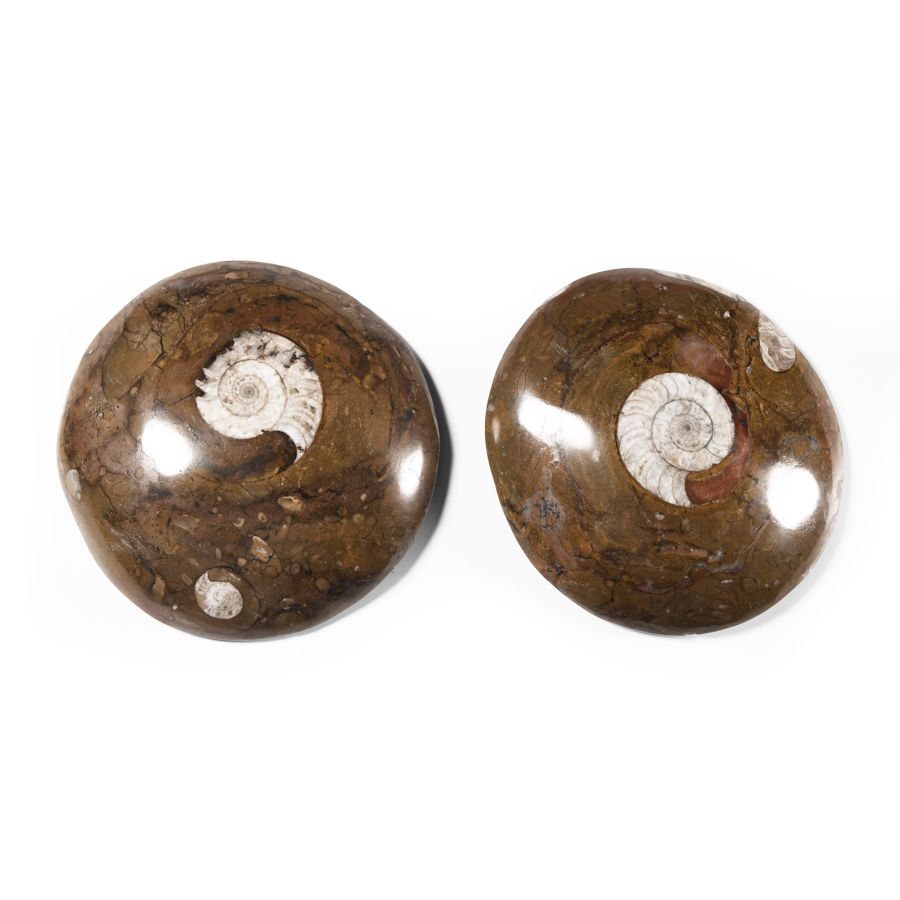
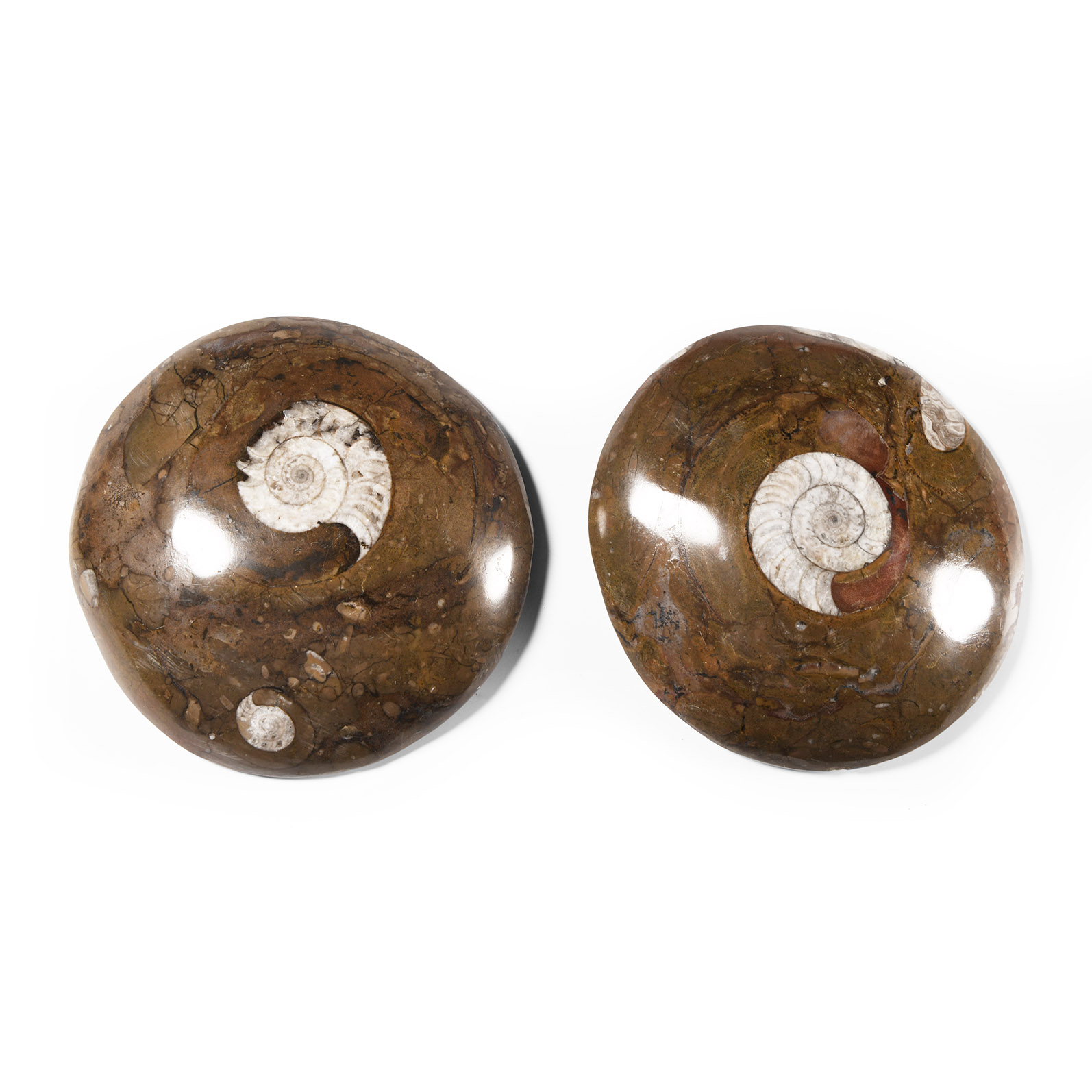
Natural History - Polished Fossil Goniatite Group
DEVONIAN PERIOD, CIRCA 417-354 MILLION YEARS B.P.
4 1/2 in. (818 grams total, 11.5 cm each).
Comprising two polished, dome-shaped masses, each with a central Goniatite sp. specimen and other fossils. [2, No Reserve]
ProvenanceFrom a Cambridgeshire, UK, collection.
CONDITIONTimeLine Auctions follows a vetting process to ensure the authenticity and legality of all items, reinforcing our commitment to integrity and responsible trading. Each antiquity, antique, and coin lot undergoes thorough examination by a vetting committee of at least ten external specialists, professional trade association members, scientists, and archaeologists: Our Vetting Process
AUCTIONS:
TimeLine is a leading auction house specialising in antiquities, ancient art, collectables, natural history, coins, medals, and books. Our auctions offer museums, collectors, historians, and enthusiasts the opportunity to acquire unique and historically significant pieces.
-
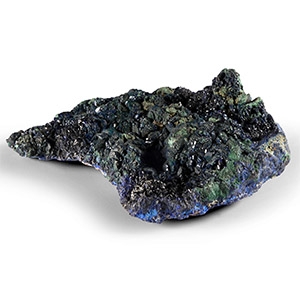
Natural History - Historic Azurite Mineral Specimen
Sold for (Inc. bp): £47
With dark blue crystals interspersed with small areas of malachite. 136 grams, 95mm
Collected in person from various parts of the world mainly between 1957-1966. From the private mineral collection of Stephen Atkinson, Harpenden, UK. Accompanied by a copy of a letter from the vendor giving details of him collecting these minerals throughout his life. -
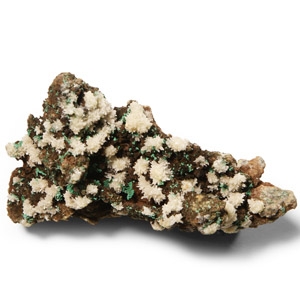
Natural History - Historic Tsumeb Crystal Formation
Sold for (Inc. bp): £33
Reticulated snowflake cerussite on an iron rich matrix 38 grams, 55 mm
Collected in person in 1966. From the private mineral collection of Stephen Atkinson, Harpenden, UK. Accompanied by a copy of a letter from the vendor giving details of him collecting these minerals throughout his life. -
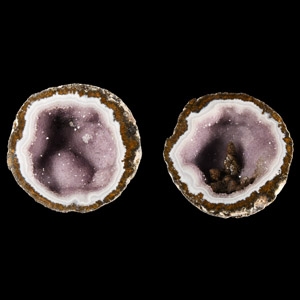
Natural History - Mixed Cut and Polished Agate Crystal Geode Pair
Sold for (Inc. bp): £10
Showing delicate layering; the internal cavity filled with small lavender-coloured amethyst crystals; one with brown calcite formation. 747 grams total, 96 mm each
From Brazil. Ex Mineral Imports, London, UK. Gregory, Bottley & Lloyd (Gregory's).
