
Loading, please wait...
LOT 2065
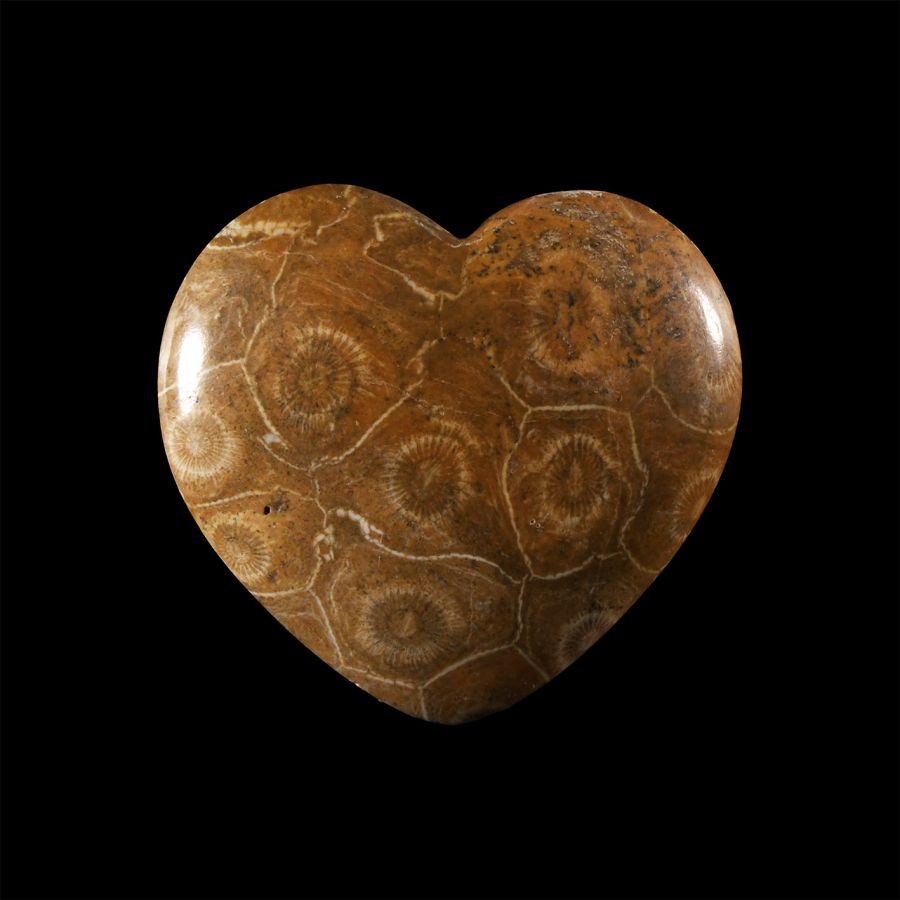
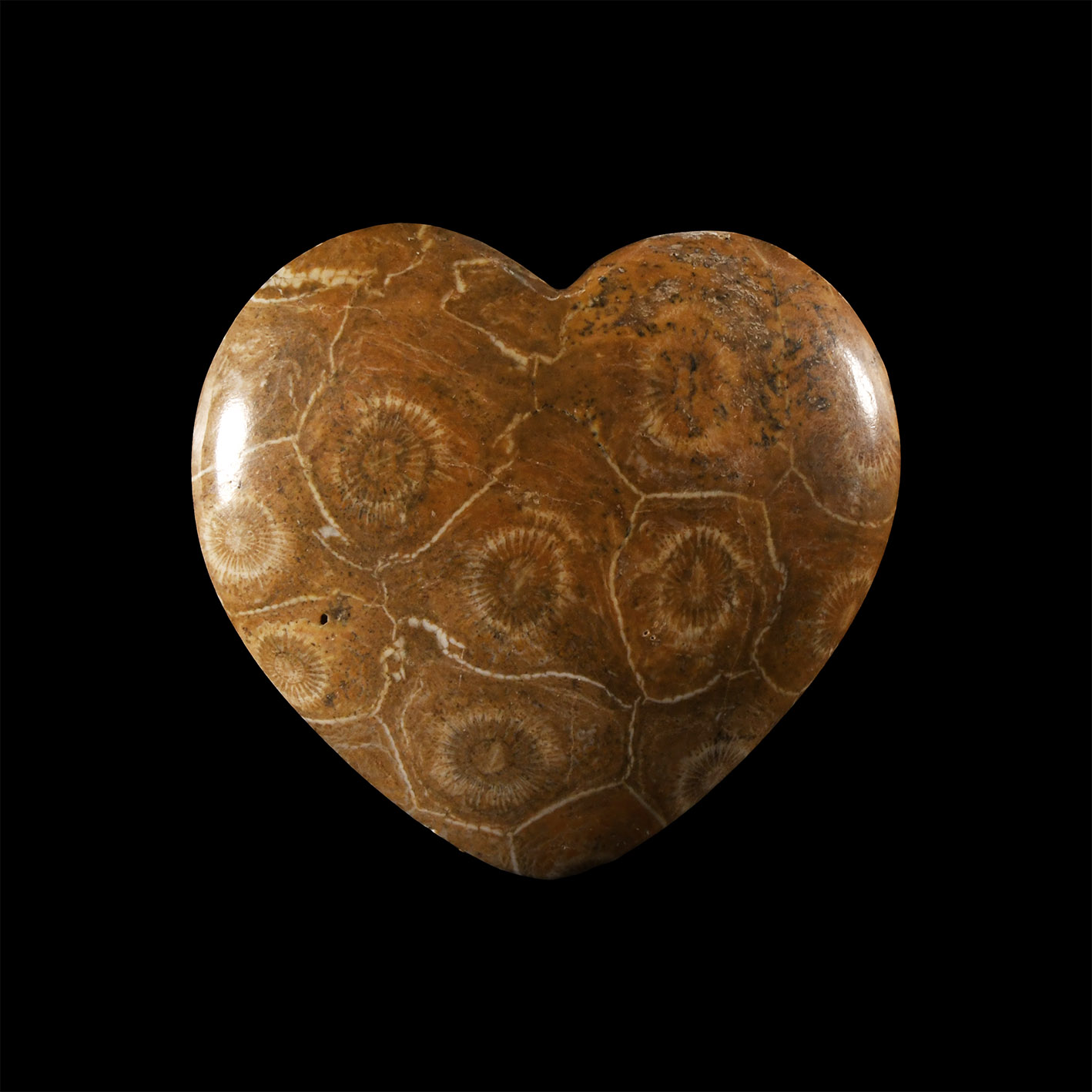
Natural History - Polished Fossil Coral Head Heart
DEVONIAN PERIOD, CIRCA 417-354 MILLION YEARS B.P.
2 7/8 in. (156 grams, 74 mm wide).
Cut to a heart shape and polished to reveal the internal structure. [No Reserve]
ProvenanceFrom a Cambridgeshire, UK, collection.
CONDITIONTimeLine Auctions follows a vetting process to ensure the authenticity and legality of all items, reinforcing our commitment to integrity and responsible trading. Each antiquity, antique, and coin lot undergoes thorough examination by a vetting committee of at least ten external specialists, professional trade association members, scientists, and archaeologists: Our Vetting Process
AUCTIONS:
TimeLine is a leading auction house specialising in antiquities, ancient art, collectables, natural history, coins, medals, and books. Our auctions offer museums, collectors, historians, and enthusiasts the opportunity to acquire unique and historically significant pieces.
-
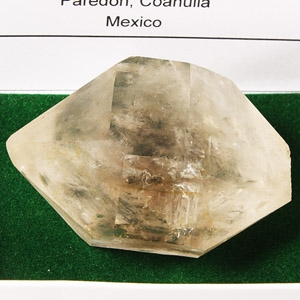
Natural History - Boxed Fenster Quartz Elestial
Sold for (Inc. bp): £13
A large multifacetted specimen; supplied in a labelled specimen tray. 130 grams, 65 mm
From Paredon, Coahuila, Mexico. Ex Mineral Imports, London, UK. Gregory, Bottley & Lloyd (Gregory's). -
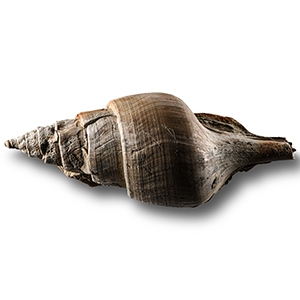
Natural History - Large Fossil Clavilithes Gastropod
Eocene Period, circa 40 million years B.P.Sold for (Inc. bp): £52
Clavilithes macrospira showing a good structure of the shell; supplied in a cardboard specimen tray. 263 grams, 13.5 cm
Collected between 1930 and 1960. From the collection of the palaeontologist R Gledhill. -
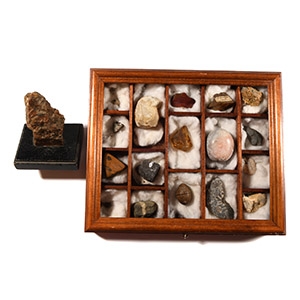
Natural History - Cased Mineral and Fossil Collection
Sold for (Inc. bp): £39
Comprising: tiger's eye; amber; red jasper with one polished face and old collector's label; pink onyx(?) polished to an egg-shape; sphalerite; titanium bismuth; flint; orange jasper with one polished face an old collector's label; an echinoid fossil; bivalve in flint; a wooden egg-shaped container and others in a wooden case; accompanied by a mounted piece of granite with an old label to base reading 'from Iona Monastery June 1947'. 1.28 kg total, 28.5 x 24 cm
Acquired before 1990s/early 2000s. From the family collection of Jack Lyttle (1944-2023), Kilmacolm, Scotland; thence by descent to his granddaughter. Property of an East Sussex, UK, gentleman.
