
Loading, please wait...
LOT 2346
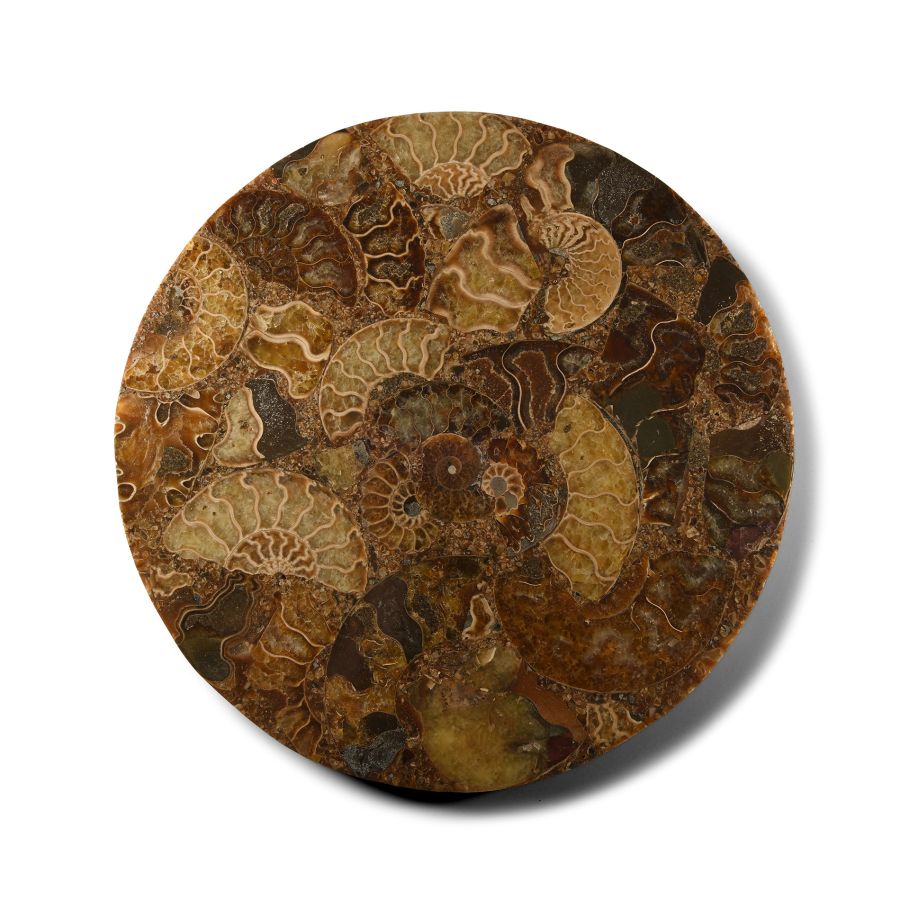
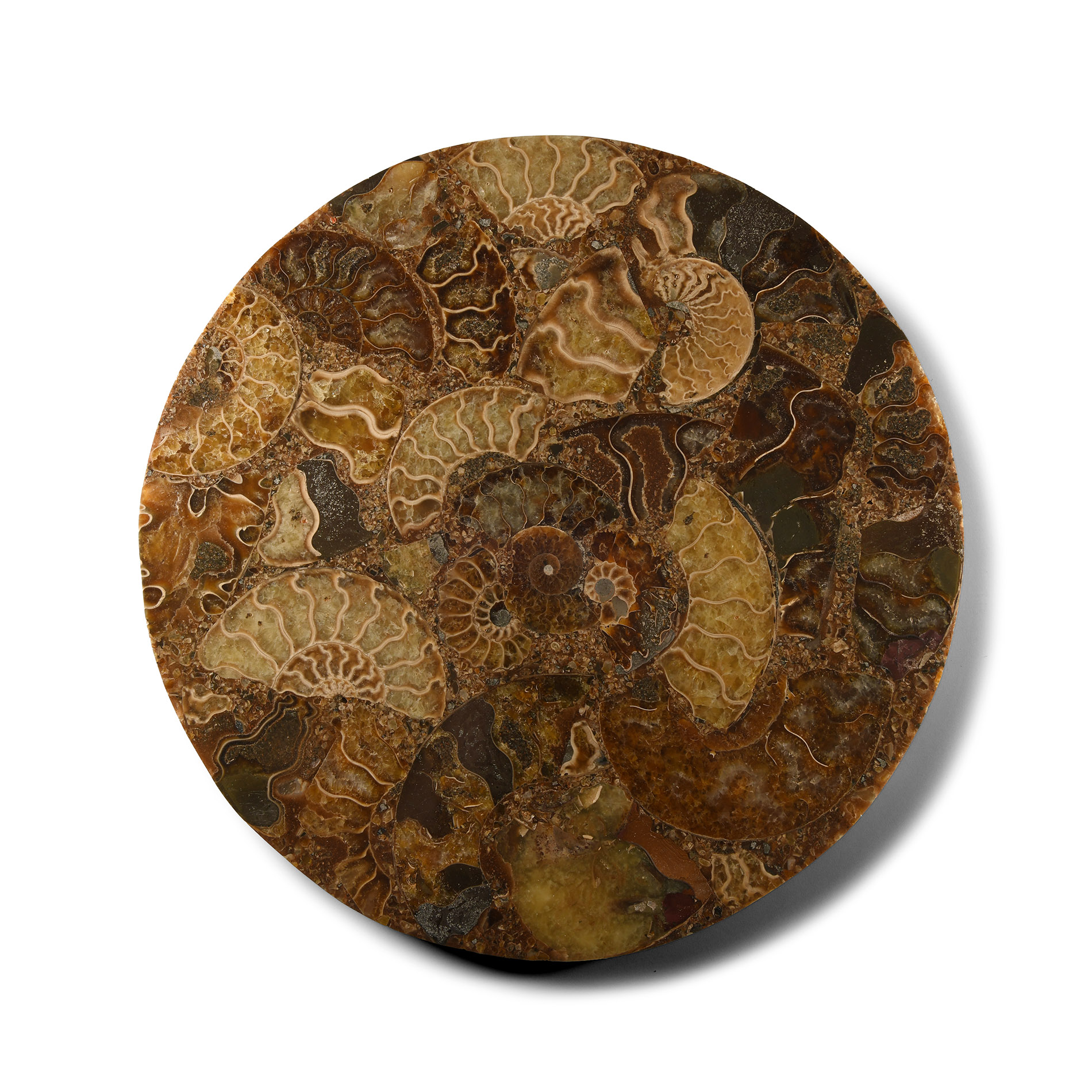
Natural History - Polished Fossil Ammonite Platter
JURASSIC PERIOD, CIRCA 199-145 MILLION YEARS B.P.
10 1/4 in. (979 grams, 26 cm wide).
Comprising a composite of various sized ammonites with polished upper surface. [No Reserve]
ProvenanceFrom Madagascar.
Ex Lincolnshire, UK, collection.
TimeLine Auctions follows a vetting process to ensure the authenticity and legality of all items, reinforcing our commitment to integrity and responsible trading. Each antiquity, antique, and coin lot undergoes thorough examination by a vetting committee of at least ten external specialists, professional trade association members, scientists, and archaeologists: Our Vetting Process
AUCTIONS:
TimeLine is a leading auction house specialising in antiquities, ancient art, collectables, natural history, coins, medals, and books. Our auctions offer museums, collectors, historians, and enthusiasts the opportunity to acquire unique and historically significant pieces.
-
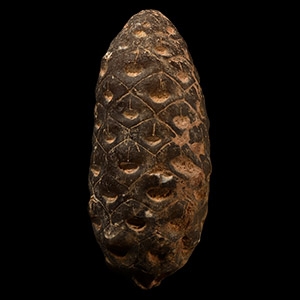
Natural History - Fossil Pine Cone
Eocene Period, circa 55-33 million years B.P.Sold for (Inc. bp): £91
An agatized Dicotaledon fruit specimen. 13.7 grams, 40 mm
From the Western Sahara Desert, Morocco. Acquired 1950s-1960s. From an old Bristol, UK, palaeontological collection. -
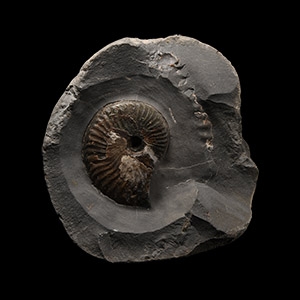
Natural History - Whitby Dac Fossil Ammonite
Lower Jurassic Period, Toarcian Stage, circa 180 million years B.P.Sold for (Inc. bp): £26
The round nodule half containing a Pseudolioceras ammonite. 554 grams total, 11.6 cm
Ex Lincolnshire, UK, collection. -
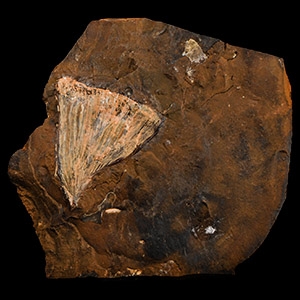
Natural History - Fossil Ginko Leaf
Carboniferous Period, 359-299 million years B.P.Sold for (Inc. bp): £39
The light-coloured specimen on an irregular matrix. 48 grams, 80 mm
Ex Cambridgeshire, UK, collection.
