
Loading, please wait...
LOT 1856
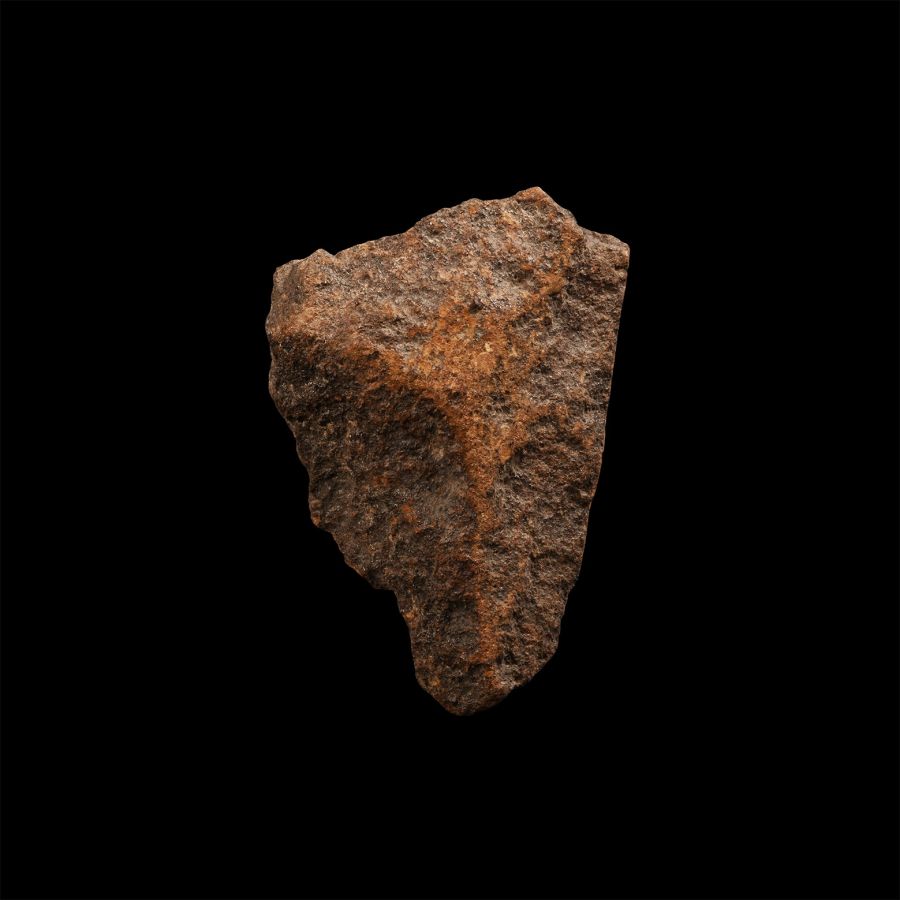
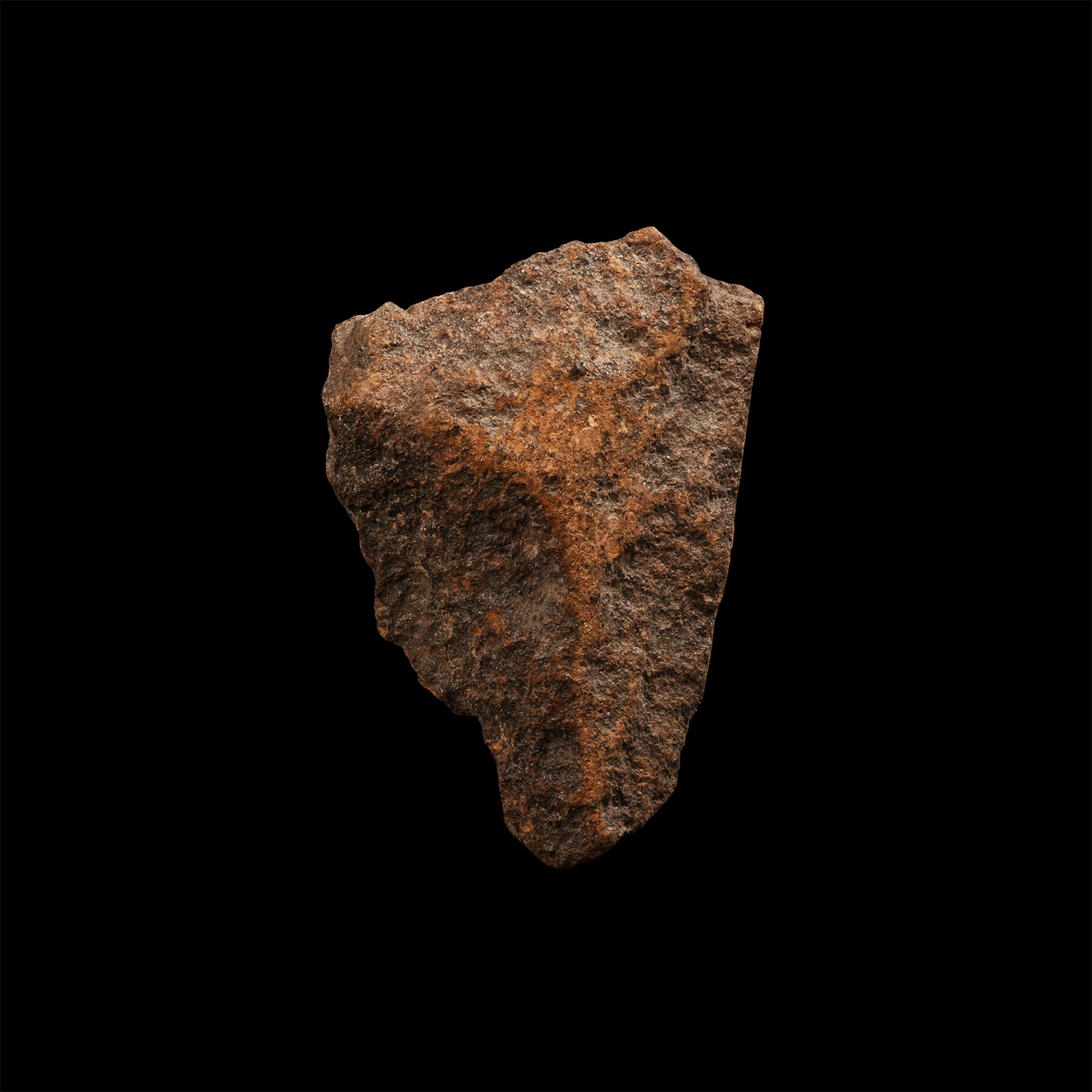
Natural History - Nantan Meteorite
FELL 1516 A.D., FOUND 1958 A.D.
1 7/8 in. (26 grams, 48 mm).
A nickel iron meteorite (111CD) with a composition of 92.35% iron and 6.96% nickel. [No Reserve]
ProvenanceFrom Nantan Nandan County, Guangxi Region, China.
From an old Lincoln, UK, collection.
See Graham, Bevan and Hutchison, Catalogue of Meteorites, Natural History Museum, 1985, p.253, for details of this fall.
FootnotesThe Nantan meteorite fell in 1516, as recorded in ancient Chinese texts; the fall exploded during descent which resulted in a shower of many individual iron meteorites over an area some 28km x 8km in Nantan County, Guangxi, China. Classified as an iron meteorite; 111CD Course Octohedrite, the composition is approximately 92% iron, 6% nickel and contains more than ten other minerals including kamacite, taenite, dominate, plessite, schreibersite, triolite, graphite and others.
CONDITIONTimeLine Auctions follows a vetting process to ensure the authenticity and legality of all items, reinforcing our commitment to integrity and responsible trading. Each antiquity, antique, and coin lot undergoes thorough examination by a vetting committee of at least ten external specialists, professional trade association members, scientists, and archaeologists: Our Vetting Process
AUCTIONS:
TimeLine is a leading auction house specialising in antiquities, ancient art, collectables, natural history, coins, medals, and books. Our auctions offer museums, collectors, historians, and enthusiasts the opportunity to acquire unique and historically significant pieces.
-
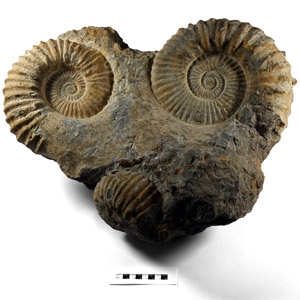
Natural History - Large Triple Agadir Ammonite Display
Cretaceous Period, 145-65 million years B.P.Sold for (Inc. bp): £176
A large triple Agadir ammonite display showing two larger and one smaller specimen, possibly Acanthoceras sp. 33.2 kg, 48 cm wide
From a Cambridgeshire, UK, collection. -
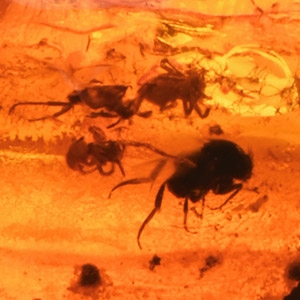
Natural History - Polished Amber with Spider Mite Inclusion
Oligocene Period, circa 45 million years B.P.Sold for (Inc. bp): £72
An ellipsoid section fragment of amber, polished, with three spider-mite inclusions. 1.52 grams, 32 mm
From the Baltic Sea Coast, Primorskoje mine, Kaliningrad. From an Essex, UK, collection. Accompanied by an illustrated identification card with collection number 3208. -

Natural History - Mastodon Bone Carving
Pliocene Period, 5.2-2.5 million years B.P.Sold for (Inc. bp): £78
A Mastodon bone carving depicting a stylised face with emphasised features. 444 grams, 11.5 cm
From the Island of Java. Acquired 1950s-1960s. From an old Bristol, UK, paleontological collection.
