
Loading, please wait...
LOT 2000
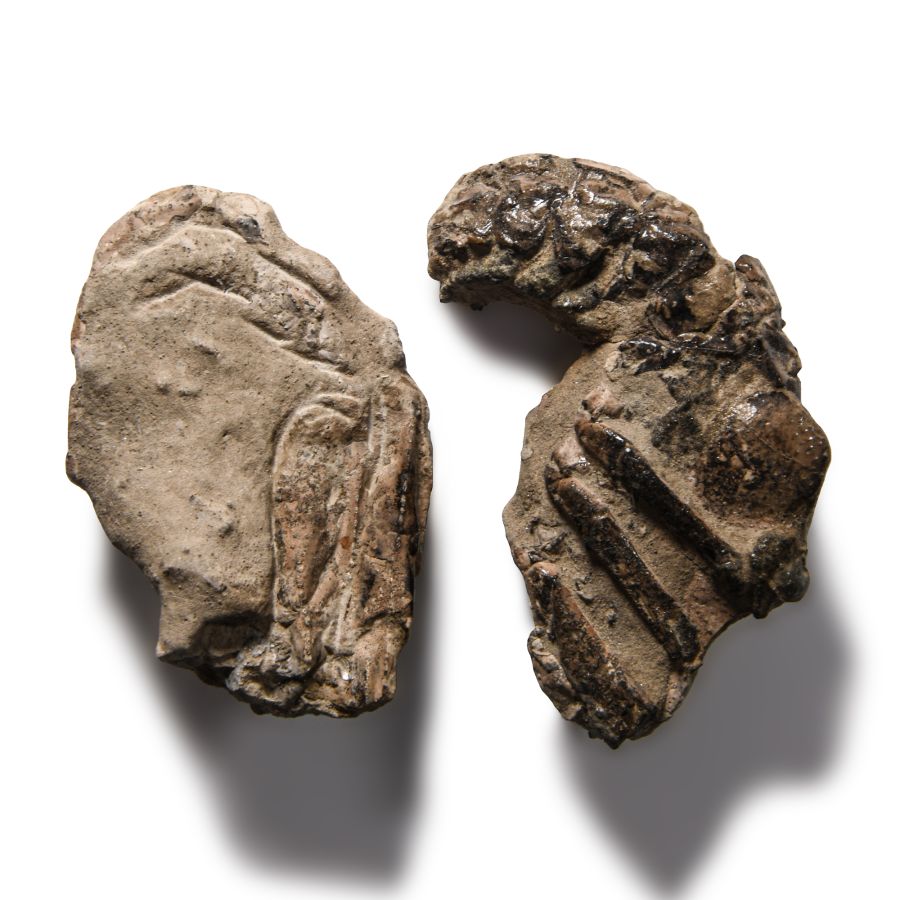
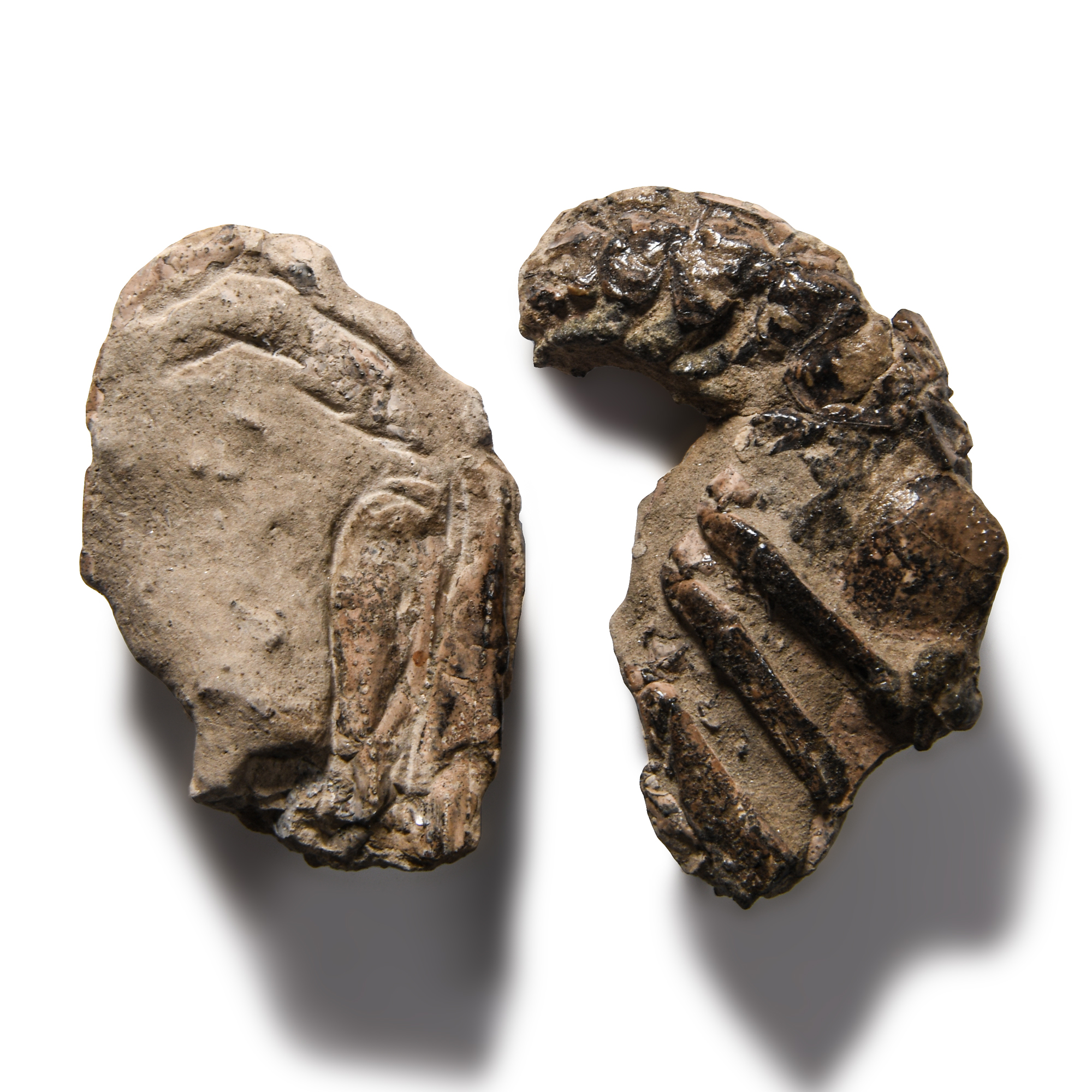
Natural History - Meyeria Lobster Fossil Group
CRETACEOUS PERIOD, CIRCA 66-100 MILLION YEARS B.P.
2 7/8 - 3 in. (122 grams total, 72-76 mm).
Comprising two Meyeria magna lobster partials. [2, No Reserve]
ProvenanceFrom Atherfield clay, Atherfield, Isle of Wight, UK.
Acquired 1950s-1960s.
From an old Bristol, UK, palaeontological collection.
TimeLine Auctions follows a vetting process to ensure the authenticity and legality of all items, reinforcing our commitment to integrity and responsible trading. Each antiquity, antique, and coin lot undergoes thorough examination by a vetting committee of at least ten external specialists, professional trade association members, scientists, and archaeologists: Our Vetting Process
AUCTIONS:
TimeLine is a leading auction house specialising in antiquities, ancient art, collectables, natural history, coins, medals, and books. Our auctions offer museums, collectors, historians, and enthusiasts the opportunity to acquire unique and historically significant pieces.
-
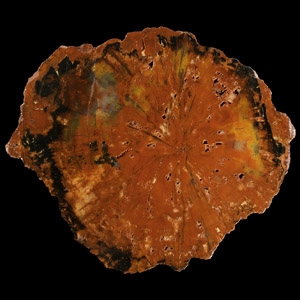
Natural History - Large Petrified Fossil Tree Trunk Slice
Triassic Period, 251-199 million years B.P.Sold for (Inc. bp): £72
With one polished and lacquered face showing bands of colour. 1.7 kg, 19 cm
From Madagascar. Ex Mineral Imports, London, UK. Gregory, Bottley & Lloyd (Gregory's). -
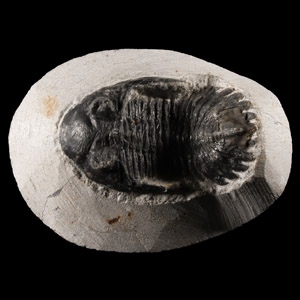
Natural History - Fossil Hollardops Trilobite
Devonian Period, circa 417-354 million years B.P.Sold for (Inc. bp): £33
Hollardops mesacristata on a matrix. 165 grams, 80 mm
From Morocco, North Africa. From a Lincolnshire, UK, collection. -
.jpg)
Natural History - Polished Green Tourmaline Group
Sold for (Inc. bp): £20
Comprising a quantity of over 500 carats of tumble-polished green tourmaline crystals. 102 grams total, 5-16 mm
UK gallery, early 2000s.
