Loading, please wait...

Natural History - Meteorite Dust from NWA Meteorites in Display Vial Natural History - Meteorite Dust from NWA Meteorites in Display Vial Natural History - Meteorite Dust from NWA Meteorites in Display Vial
Use mousewheel to zoom in and out, click to enlarge
Details

LOT 2293

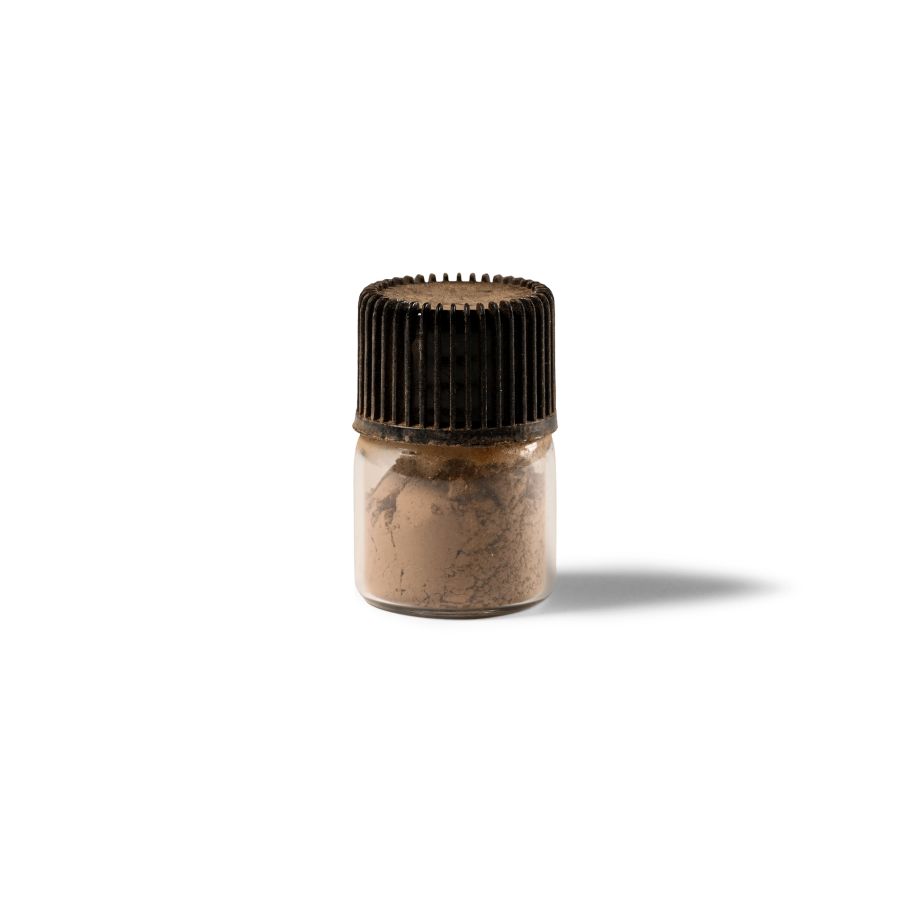
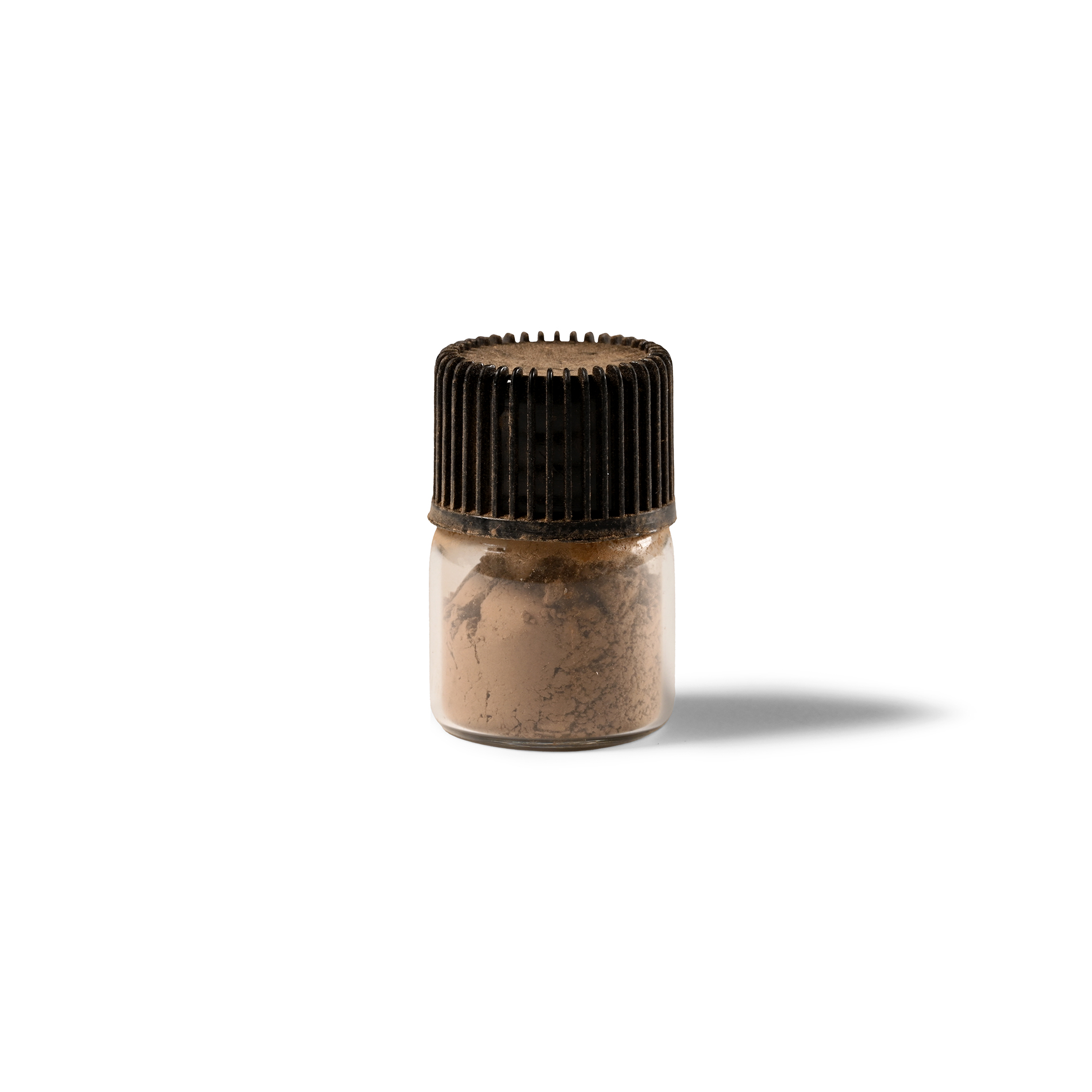
Natural History - Meteorite Dust from NWA Meteorites in Display Vial

1 in. (4.6 grams total, 24 mm).

The sandy coloured dust held in a small glass vial with screw-cap. [No Reserve]

Provenance

From the Sahara Desert, North Africa.
Property of a Sussex, UK, teacher.

CONDITION
VETTING:

TimeLine Auctions follows a vetting process to ensure the authenticity and legality of all items, reinforcing our commitment to integrity and responsible trading. Each antiquity, antique, and coin lot undergoes thorough examination by a vetting committee of at least ten external specialists, professional trade association members, scientists, and archaeologists: Our Vetting Process


AUCTIONS:

TimeLine is a leading auction house specialising in antiquities, ancient art, collectables, natural history, coins, medals, and books. Our auctions offer museums, collectors, historians, and enthusiasts the opportunity to acquire unique and historically significant pieces.

LOT 2293

Natural History - Meteorite Dust from NWA Meteorites in Display Vial

Sold for (Inc. bp): £46

Print page

RELATED LOTS
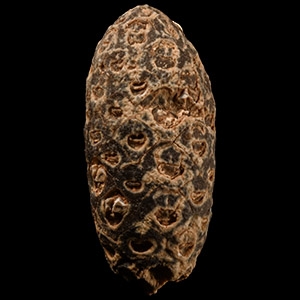
  • Natural History - Fossil Pine Cone
    Natural History - Fossil Pine Cone
    Eocene Period, circa 55-33 million years B.P.

    Sold for (Inc. bp): £91

    An agatized Dicotaledon fruit specimen. 13.7 grams, 40 mm


    From the Western Sahara Desert, Morocco. Acquired 1950s-1960s. From an old Bristol, UK, palaeontological collection.

    Lot Details

  • Natural History - Knightia Fossil Fish
    Natural History - Knightia Fossil Fish
    Eocene Period, circa 58 million years B.P.

    Sold for (Inc. bp): £78

    The rectangular matrix containing a Knightia alta fish. 147 grams, 12.8 cm


    From Wyoming (Green River Formation), USA. Acquired during 1980s. From the Pradi Collection, Boston, U.S.A.

    Seasonally some 58 million years ago, in the Green River region of Wyoming, torrential rains fell in the mountains. They flowed down the mountain sides, forming wide shallow lakes in the valley below. During the dry season, these lakes would dry up due to evaporation (as happens in certain parts of Africa today). Millions of fish died in this short period of time. This climatic cycle happened over a 20-thousand-year period. Layer upon layer of mud entombed all these fish. At a much later date, volcanic activity uplifted this area to expose the fossils.

    Lot Details

  • Natural History - Complete Ice Age Juvenile Mammoth Tusk
    Natural History - Complete Ice Age Juvenile Mammoth Tusk
    Pleistocene Period, 2.6 million-11,700 years B.P.

    Sold for (Inc. bp): £2,340

    A right-side 'fossil' tusk of the extinct Mammuthus Primigenius; ivory yellow-brown in colour and finely preserved with the typically marked curvature of this species; with custom-made display stand. 2.29 kg total, 54 cm wide including stand


    From the Siberian Tundra. From the private collection of Mr J S, Northamptonshire, UK. Property of a Cambridgeshire gentleman.

    Mammoths were animals of the Ice Age; they co-existed with and were hunted by early man; Siberia is famed for discoveries of frozen mammoth carcasses (see 'Dima' and 'Lyuba' for examples) and for the hut circles where mammoth bones and tusks were used as building materials; tusks have been traded for at least 2,000 years and in modern times, Siberian natives still hunt for them and use the fossil ivory as raw material.

    Lot Details

Stay up-to-date with the latest from TimeLine Auctions by joining our mailing list