
Loading, please wait...
LOT 2498
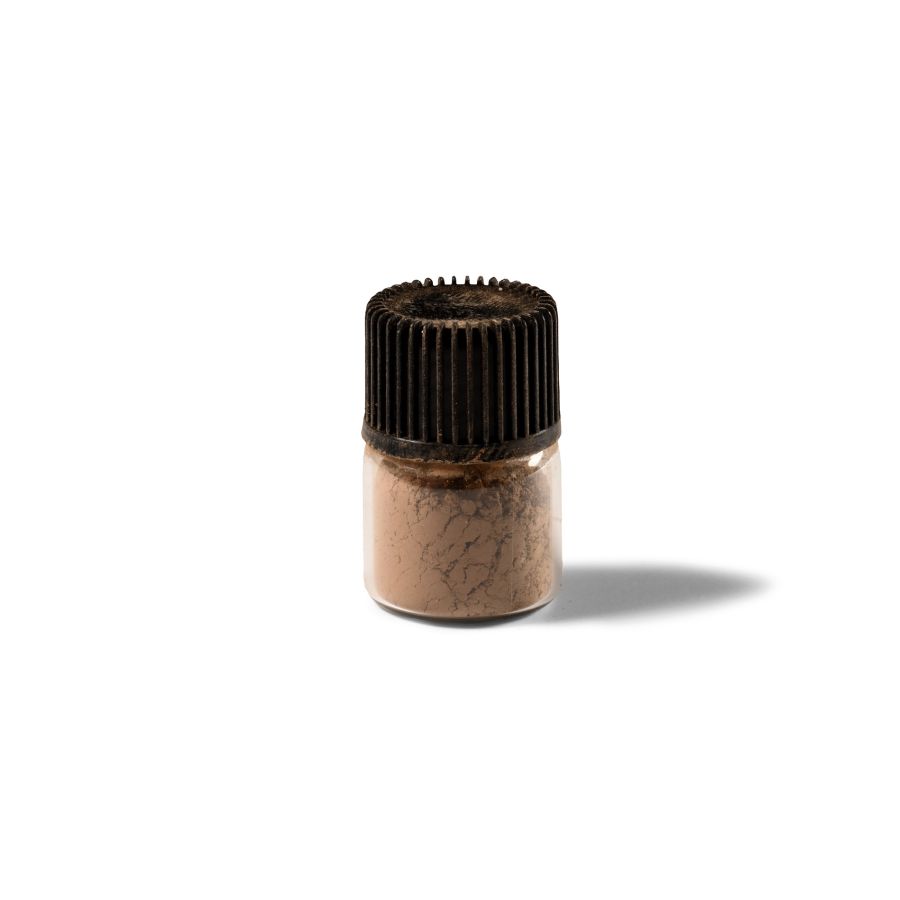
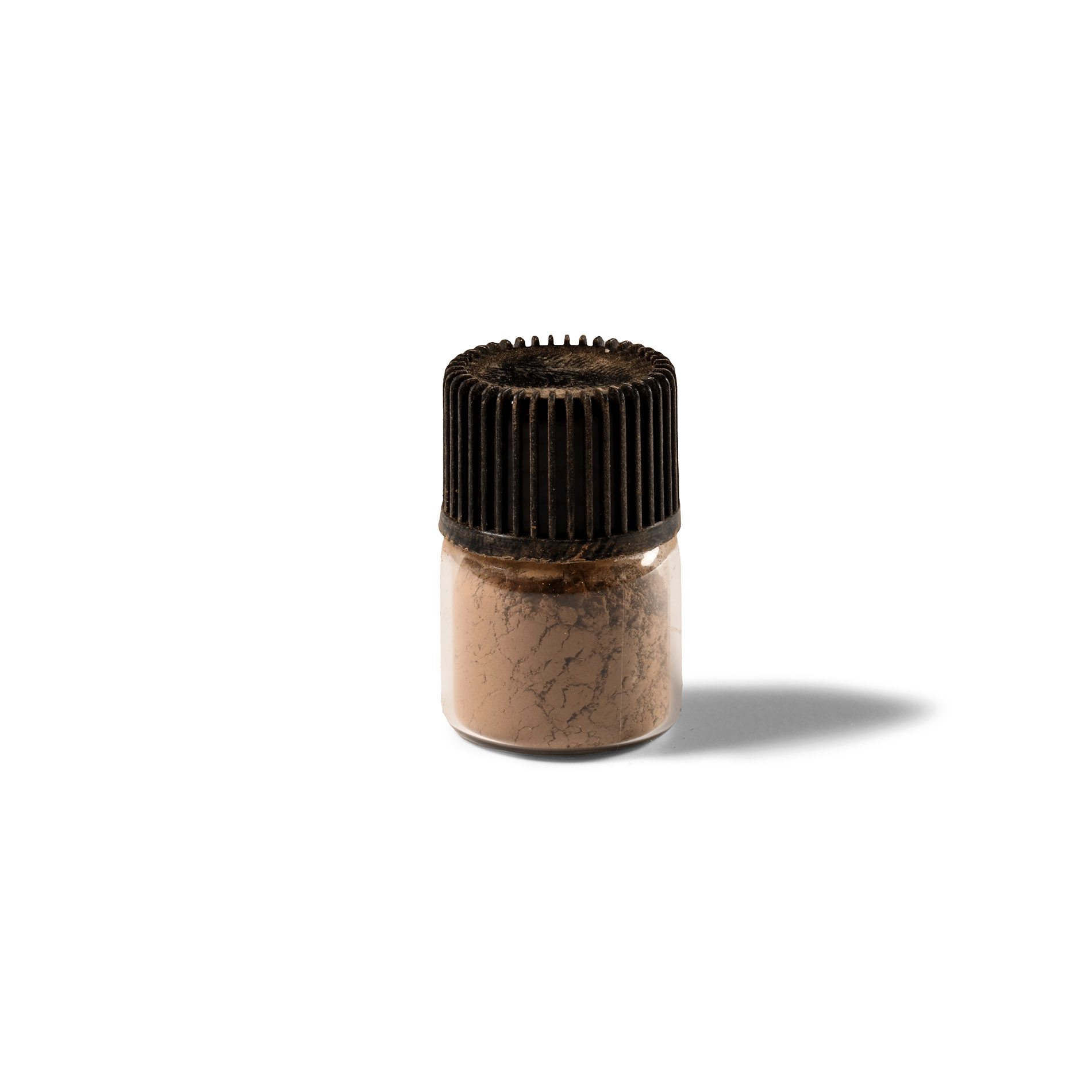
Natural History - Meteorite Dust from NWA Meteorites in Display Vial
1 in. (4.7 grams total, 24 mm).
The sandy coloured dust held in a small glass vial with screw-cap. [No Reserve]
ProvenanceFrom the Sahara Desert, North Africa.
Property of a Sussex, UK, teacher.
TimeLine Auctions follows a vetting process to ensure the authenticity and legality of all items, reinforcing our commitment to integrity and responsible trading. Each antiquity, antique, and coin lot undergoes thorough examination by a vetting committee of at least ten external specialists, professional trade association members, scientists, and archaeologists: Our Vetting Process
AUCTIONS:
TimeLine is a leading auction house specialising in antiquities, ancient art, collectables, natural history, coins, medals, and books. Our auctions offer museums, collectors, historians, and enthusiasts the opportunity to acquire unique and historically significant pieces.
LOT 2498
Natural History - Meteorite Dust from NWA Meteorites in Display Vial
Sold for (Inc. bp): £52
-
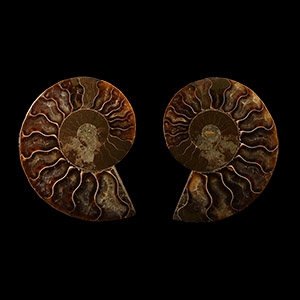
Natural History - Cut and Polished Fossil Ammonite
Middle Cretaceous Period, 150 million years B.P.Sold for (Inc. bp): £33
Polished to reveal the distinctive structure of the Cleoniceras sp. chambers, some iridescence. 124 grams total, 77-81 mm
From Madagascar. Collected 1930-1960. From the collection of the palaeontologist R. Gledhill. -
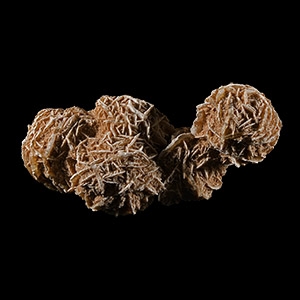
Natural History - Large Selenite 'Desert Rose' Crystal Cluster
Sold for (Inc. bp): £13
The large cluster comprising five smaller round selenite crystal blade clusters. 518 grams, 15 cm
Ex Lincolnshire, UK, collection. -
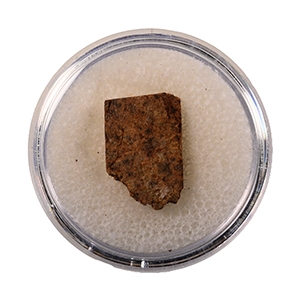
Natural History - NWA 073 L6 Chondrite Meteorite Slice in Gem Case
Sold for (Inc. bp): £20
A cut slice of NWA 073 L6 chondrite meteorite, displayed in a collector's case. 5.26 grams total, 32 mm including case
From the Sahara Desert, North Africa. Property of a Sussex, UK, teacher.
