
Loading, please wait...
LOT 1963
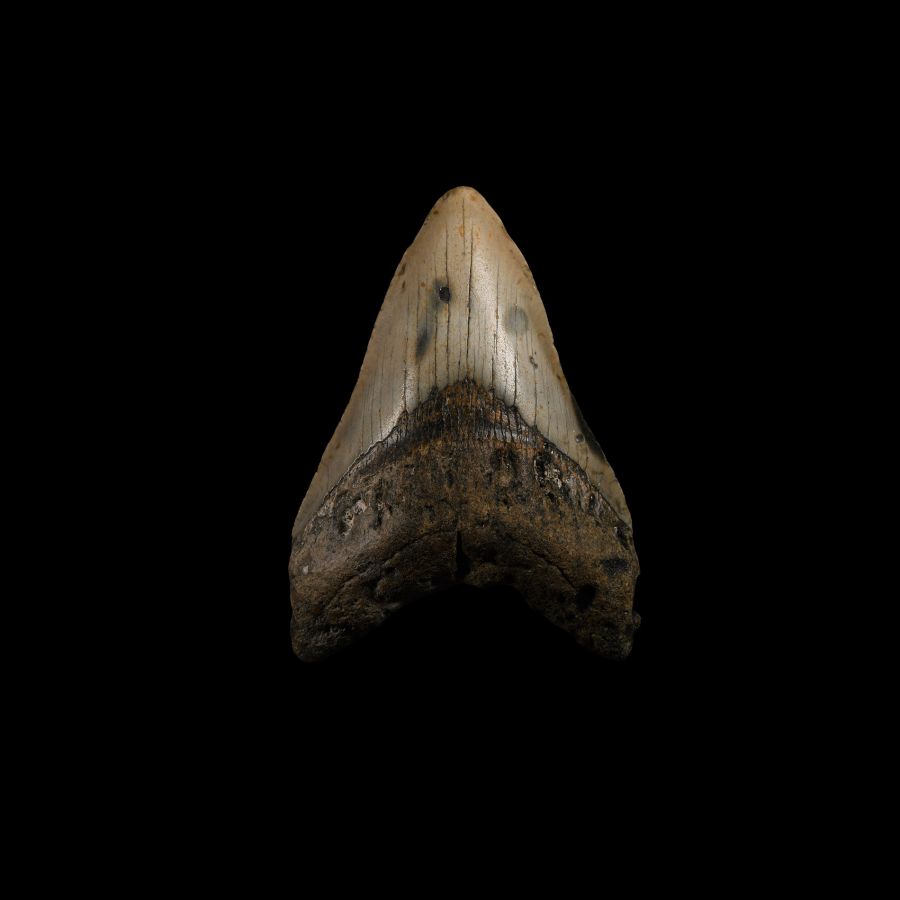
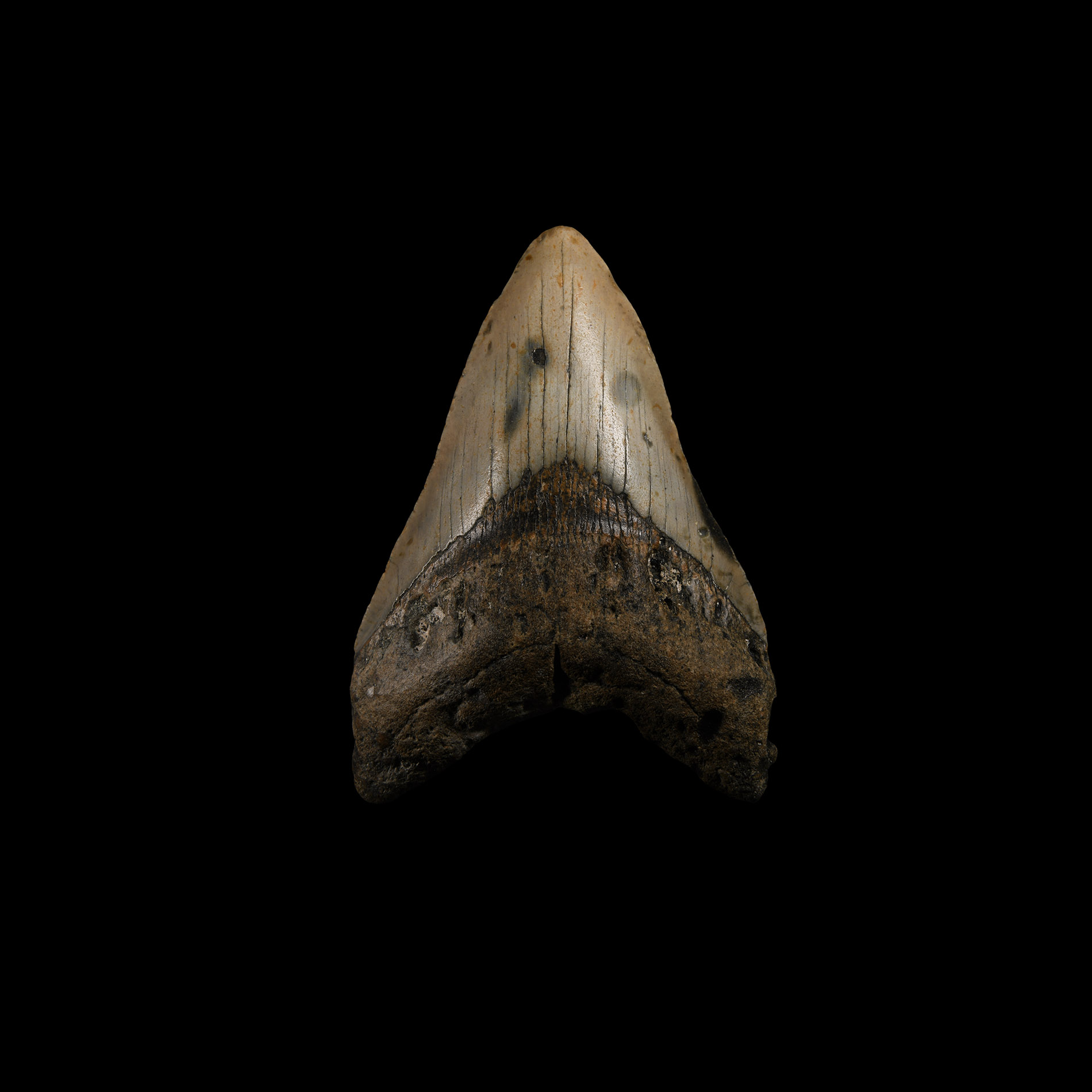
Natural History - Megalodon Giant Shark Fossil Tooth
MIOCENE-PLIOCENE PERIOD, 23-3.5 MILLION YEARS B.P.
4 3/8 in. (217 grams, 11.2 cm).
A fossil Megalodon sp. giant shark tooth with remains of enamelling and serration. [No Reserve]
ProvenanceEx Lincolnshire, UK, collection.
CONDITIONTimeLine Auctions follows a vetting process to ensure the authenticity and legality of all items, reinforcing our commitment to integrity and responsible trading. Each antiquity, antique, and coin lot undergoes thorough examination by a vetting committee of at least ten external specialists, professional trade association members, scientists, and archaeologists: Our Vetting Process
AUCTIONS:
TimeLine is a leading auction house specialising in antiquities, ancient art, collectables, natural history, coins, medals, and books. Our auctions offer museums, collectors, historians, and enthusiasts the opportunity to acquire unique and historically significant pieces.
-
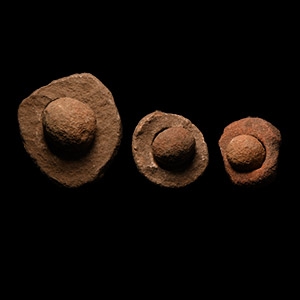
Natural History - Kalahari Desert Wind Stone Group
Sold for (Inc. bp): £20
A group of five wind-rounded pebbles with their individual hollowed out 'nests', from the Kalahari Desert region; each set provided with a hessian draw-ribbon pouch. 394 grams total, 46-71 mm
From the Kalahari Desert, Southern Africa. Mineral Imports, London, UK. Gregory, Bottley & Lloyd (Gregory's). -
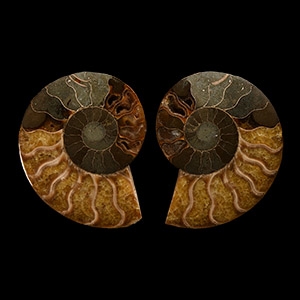
Natural History - Cut and Polished Fossil Cleoniceras Ammonite
Jurassic Period, 199-145 million years B.P.Sold for (Inc. bp): £33
A pair of cut and polished fossil ammonite halves, each displaying the gas chambers; possibly Cleoniceras sp. 323 grams total, 10.3-10.5 cm
From Madagascar. Collected between 1930 and 1960. From the collection of the palaeontologist R Gledhill. -
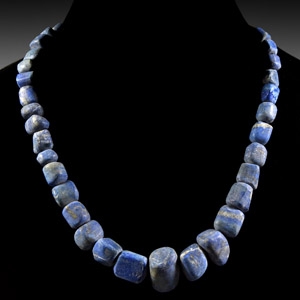
Natural History - Lapis Lazuli Bead Necklace
Sold for (Inc. bp): £33
A graduated string of tumbled natural variegated lapis lazuli pebble beads with clasp. 139 grams, 45 cm long
Fine condition.
UK gallery, acquired in the 2000s. Property of an English gentleman.
