
Loading, please wait...
LOT 1784
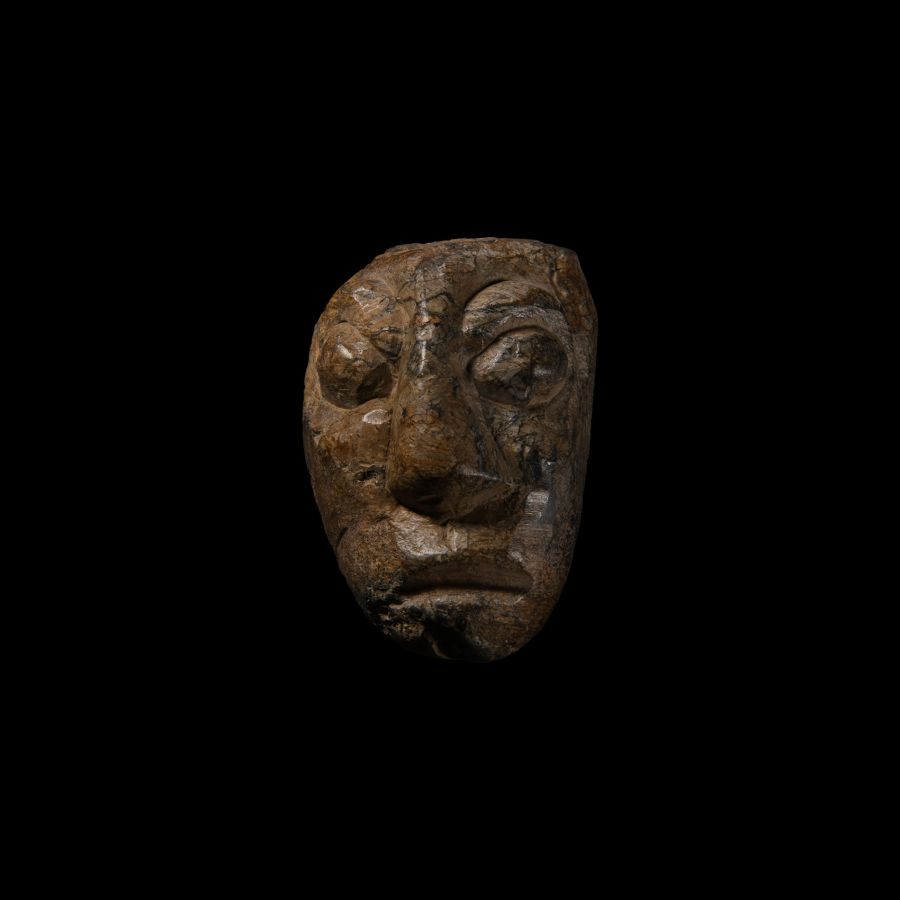
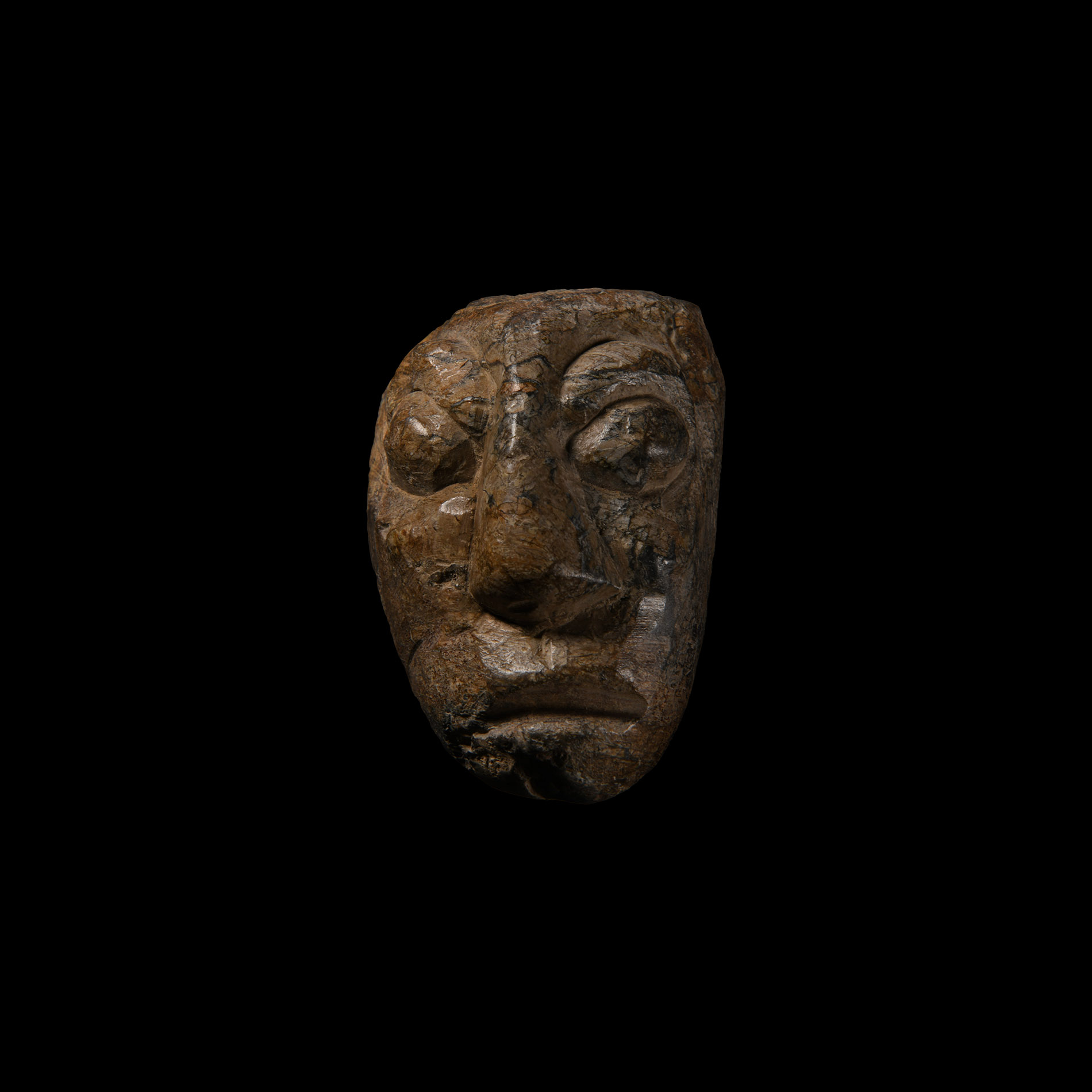
Natural History - Mastodon Fossil Tusk Carving
PLIOCENE PERIOD, 5.2-2.5 MILLION YEARS B.P.
2 3/8 in. (81 grams, 60 mm).
A fossil mastodon tusk with later carved stylised face. [No Reserve]
ProvenanceAcquired 1980s.
London, UK, collection.
Property of a Sussex, UK, teacher.
TimeLine Auctions follows a vetting process to ensure the authenticity and legality of all items, reinforcing our commitment to integrity and responsible trading. Each antiquity, antique, and coin lot undergoes thorough examination by a vetting committee of at least ten external specialists, professional trade association members, scientists, and archaeologists: Our Vetting Process
AUCTIONS:
TimeLine is a leading auction house specialising in antiquities, ancient art, collectables, natural history, coins, medals, and books. Our auctions offer museums, collectors, historians, and enthusiasts the opportunity to acquire unique and historically significant pieces.
-
.jpg)
Natural History - Topaz Mineral Specimen Collection
Sold for (Inc. bp): £20
A group of eleven boxed topaz on matrix mineral specimens. 145 grams total, 21-39 mm
Very fine condition.
From Mexico. Mineral Imports, London, UK. Gregory, Bottley & Lloyd (Gregory's). -
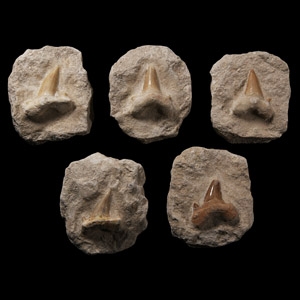
Natural History - Fossil Otodus Shark Teeth on Matrix Group
Eocene Period, 56-33 million years B.P.Sold for (Inc. bp): £33
A group of five matrices, each set with an Otodus obliquus fossil shark's tooth with cusplet teeth and remains of enamelling. 479 grams total, 60-64 mm
From Morocco, North Africa. Ex Cambridgeshire, UK, collection. -
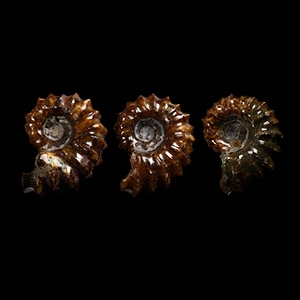
Natural History - Polished Douvilleiceras Fossil Ammonite Group
Cretaceous Period, Albian Stage, circa 150 million years B.P.Sold for (Inc. bp): £72
A group of three Douvilleiceras sp. ammonites, sometimes known as a Goat Horn, polished to reveal rich calcites and striking suture patterns. 123 grams total, 43-47 mm
From the North-East coast of Madagascar in the jungles of Mahajanga. Acquired 1950s-1960s. From an old Bristol, UK, paleontological collection.
