
Loading, please wait...
LOT 1820
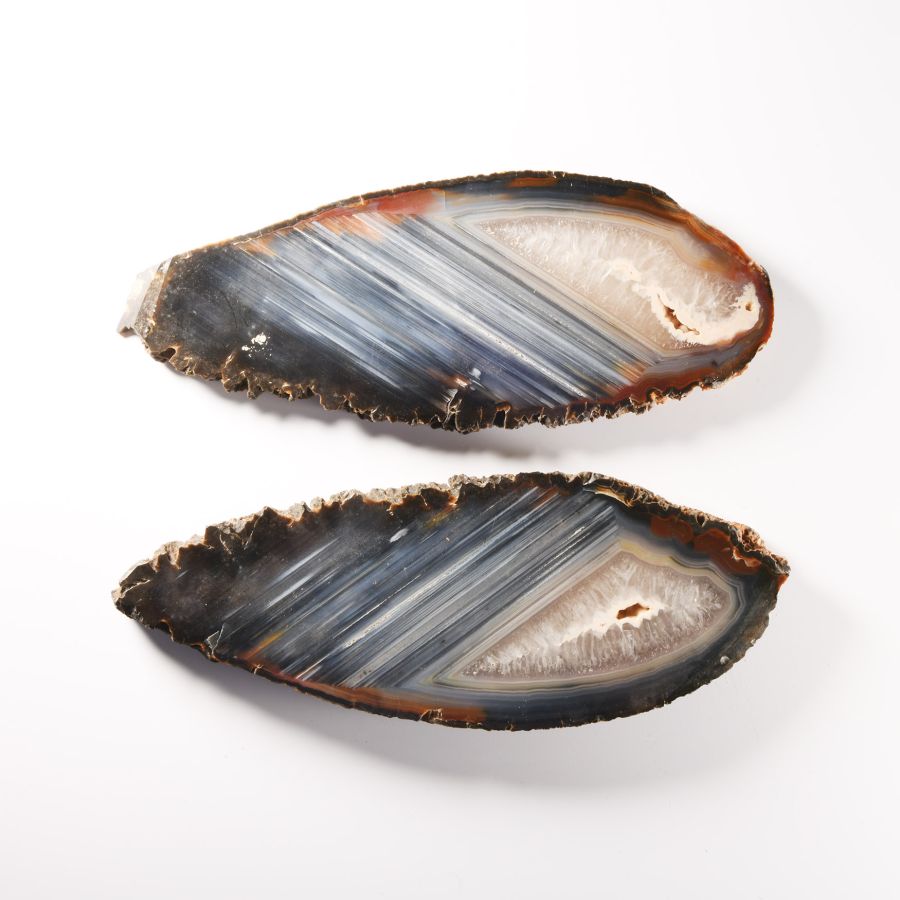
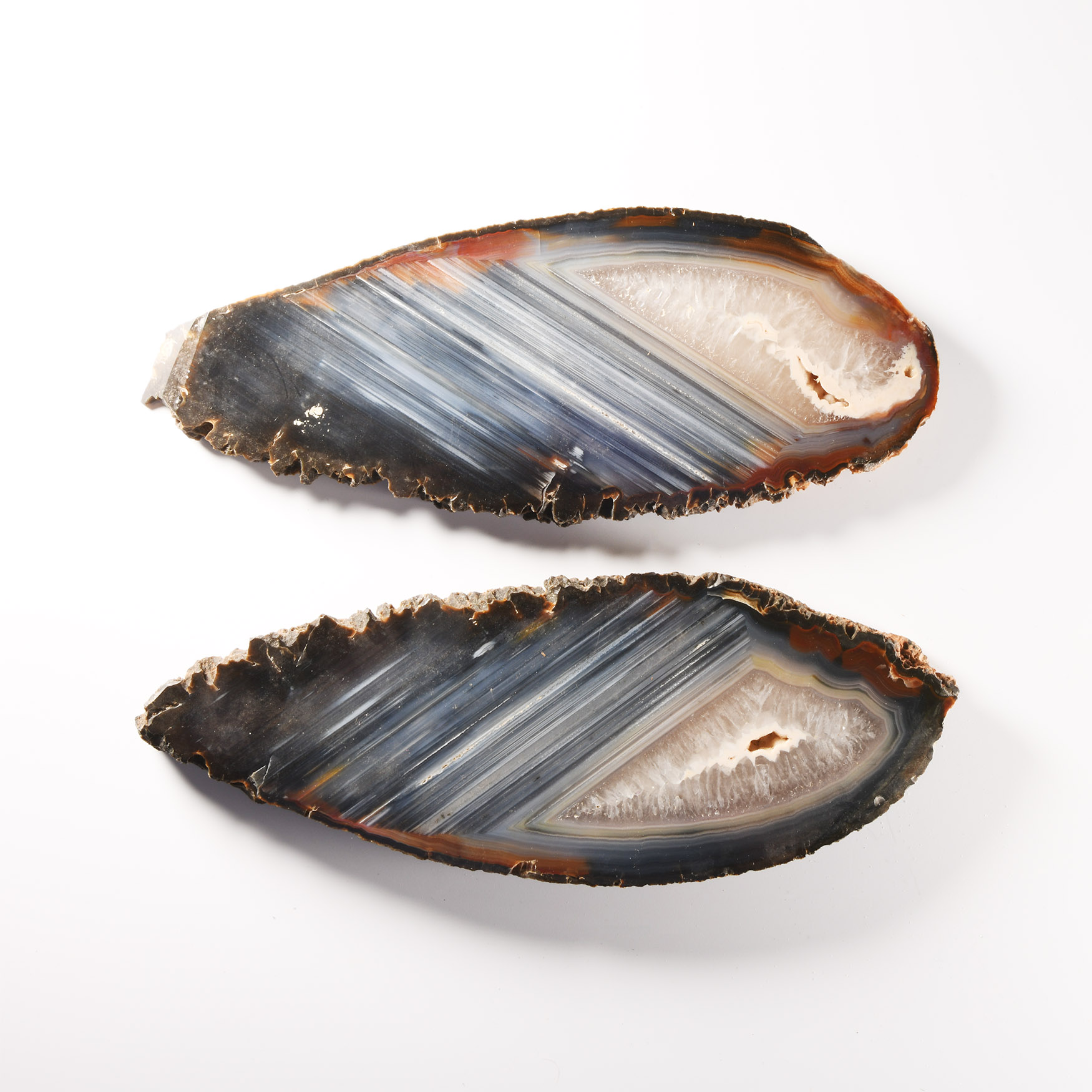
Natural History - Large Size Cut Malawi Agate Crystal Geode Slice Pair
10 1/4 - 10 1/2 in. (1.48 kg total, 26-26.5 cm).
With one polished side showing grey and white banding and an internal cavity with quartz crystals. [2, No Reserve]
ProvenanceFrom Malawi, Africa.
Ex Mineral Imports, London, UK.
Gregory, Bottley & Lloyd (Gregory's).
TimeLine Auctions follows a vetting process to ensure the authenticity and legality of all items, reinforcing our commitment to integrity and responsible trading. Each antiquity, antique, and coin lot undergoes thorough examination by a vetting committee of at least ten external specialists, professional trade association members, scientists, and archaeologists: Our Vetting Process
AUCTIONS:
TimeLine is a leading auction house specialising in antiquities, ancient art, collectables, natural history, coins, medals, and books. Our auctions offer museums, collectors, historians, and enthusiasts the opportunity to acquire unique and historically significant pieces.
LOT 1820
Natural History - Large Size Cut Malawi Agate Crystal Geode Slice Pair
Sold for (Inc. bp): £26
-
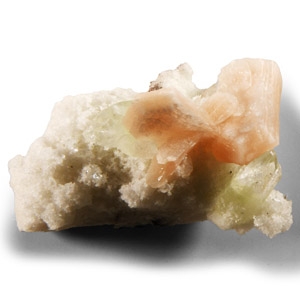
Natural History - Historic Indian Apophyllite with Stolbite Crystal Specimen
Sold for (Inc. bp): £7
The white apophyllite crystals with salmon-pink stilbite. 78 grams, 70 mm
From Poona, India. Collected in person in 2015. From the private mineral collection of Stephen Atkinson, Harpenden, UK. Accompanied by a copy of a letter from the vendor giving details of him collecting these minerals throughout his life. -
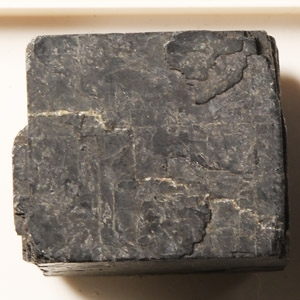
Natural History - Historic Galena Crystal
Sold for (Inc. bp): £26
Cuboid with dark surfaces. 102 grams total, 28 mm
From Nenthead, Cumberland, UK. Collected in person in 1965. From the private mineral collection of Stephen Atkinson, Harpenden, UK. Accompanied by a copy of a letter from the vendor giving details of him collecting these minerals throughout his life. -
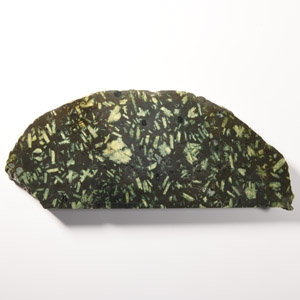
Natural History - Historic Roman 'Spartan Basalt' Cut & Polished Green Porphyry Section
Sold for (Inc. bp): £442
A large lacquered cut section mined in Greece, probably recycled material mined in ancient Roman times. 574 grams, 23 cm
From Greece. Mineral Imports, London, UK. Gregory, Bottley & Lloyd (Gregory's).
Also known as Lapis Lacedaemonius and Porfido Verde Antico, a type of green porphyry quarried in Greece. Spartan basalt is a form of andesite or volcanic rock known today only from a single source in the village of Krokees on the Peloponnese in Greece. In addition, ancient sources mention a quarry of Lapis Lacedaemonius in Taygetus.
