
Loading, please wait...
LOT 2347
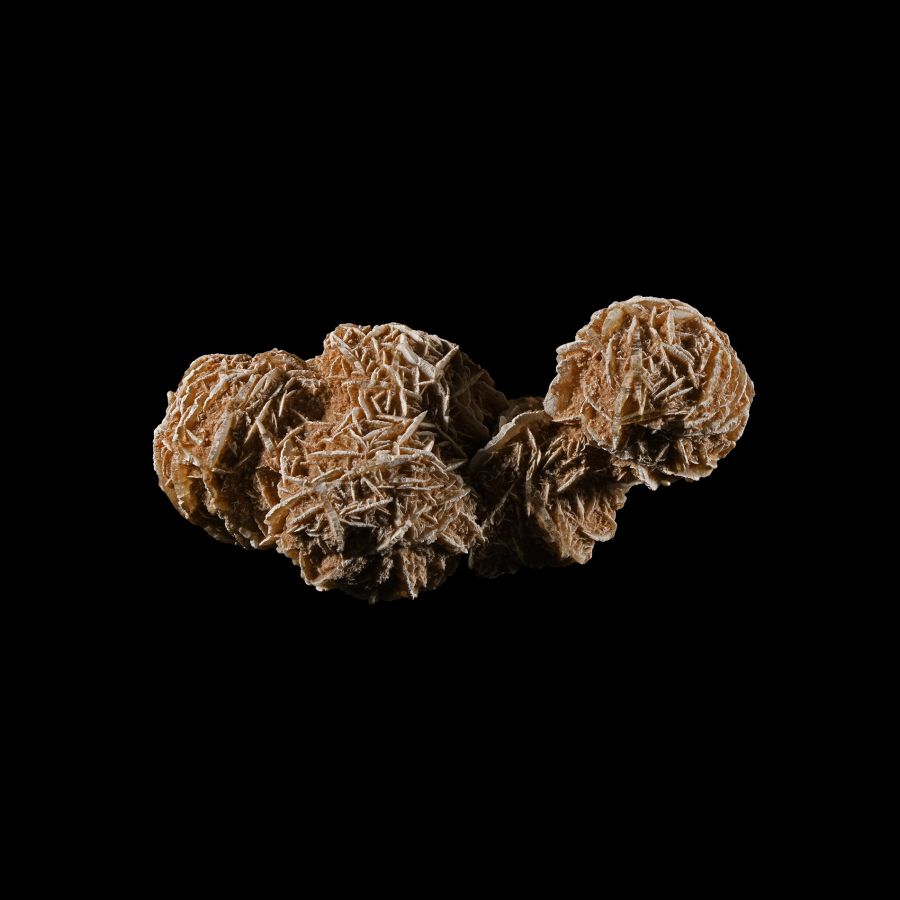
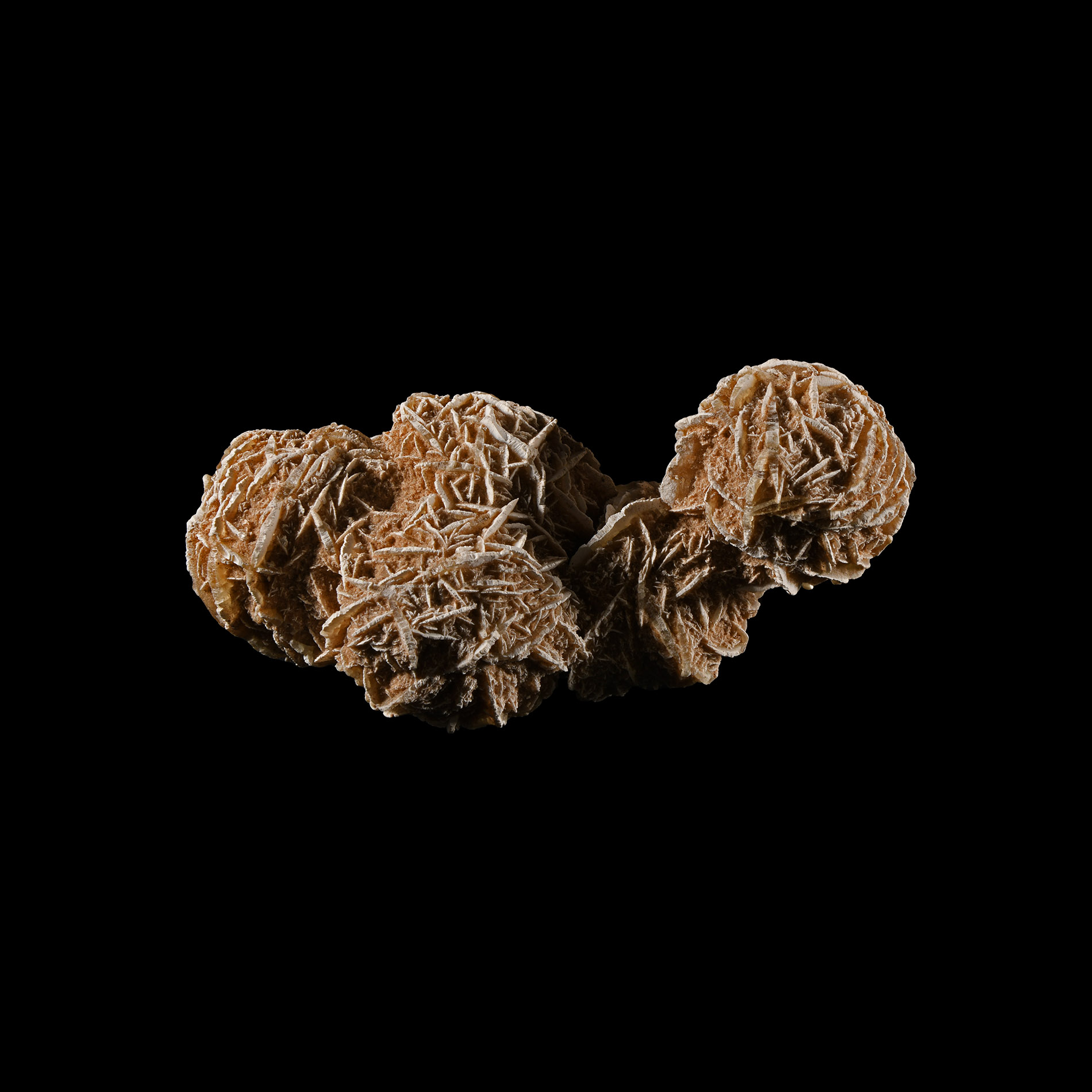
Natural History - Large Selenite 'Desert Rose' Crystal Cluster
6 in. (518 grams, 15 cm).
The large cluster comprising five smaller round selenite crystal blade clusters. [No Reserve]
ProvenanceEx Lincolnshire, UK, collection.
CONDITIONTimeLine Auctions follows a vetting process to ensure the authenticity and legality of all items, reinforcing our commitment to integrity and responsible trading. Each antiquity, antique, and coin lot undergoes thorough examination by a vetting committee of at least ten external specialists, professional trade association members, scientists, and archaeologists: Our Vetting Process
AUCTIONS:
TimeLine is a leading auction house specialising in antiquities, ancient art, collectables, natural history, coins, medals, and books. Our auctions offer museums, collectors, historians, and enthusiasts the opportunity to acquire unique and historically significant pieces.
LOT 2347
Natural History - Large Selenite 'Desert Rose' Crystal Cluster
Sold for (Inc. bp): £13
-
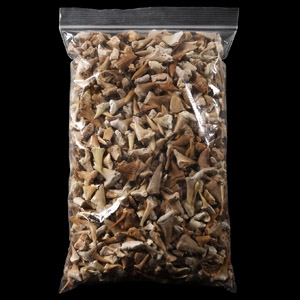
Natural History - Extinct Fossil Shark and Other Tooth Collection
Cretaceous-Eocene Period, 70-50 million years B.P.Sold for (Inc. bp): £98
Comprising specimens of different sizes, including examples retaining some or most of the root, enamel and/or serration. 940 grams total, 7-27 mm
Acquired 1990s-early 2000s. East Anglian private collection. -
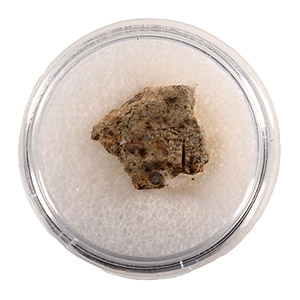
Natural History - NWA 2947 Chondrite Meteorite Slice in Gem Case
Sold for (Inc. bp): £20
A cut slice of NWA 2947 chondrite meteorite, displayed in a collector's case. 4.93 grams total, 32 mm including case
From the Sahara Desert, North Africa. Property of a Sussex, UK, teacher. -
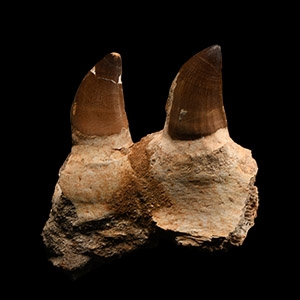
Natural History - Mosasaur Fossil Partial Jaw with Teeth
Cretaceous Period, 145-65 million years B.P.Sold for (Inc. bp): £59
A lower jaw section displaying two large teeth from the Mosasaur prognathodon sp. 154 grams, 84 mm
Found in the phosphate mine region, Khouribga, Morocco. Acquired 1950s-1960s. From an old Bristol, UK, palaeontological collection.
