
Loading, please wait...
LOT 2492
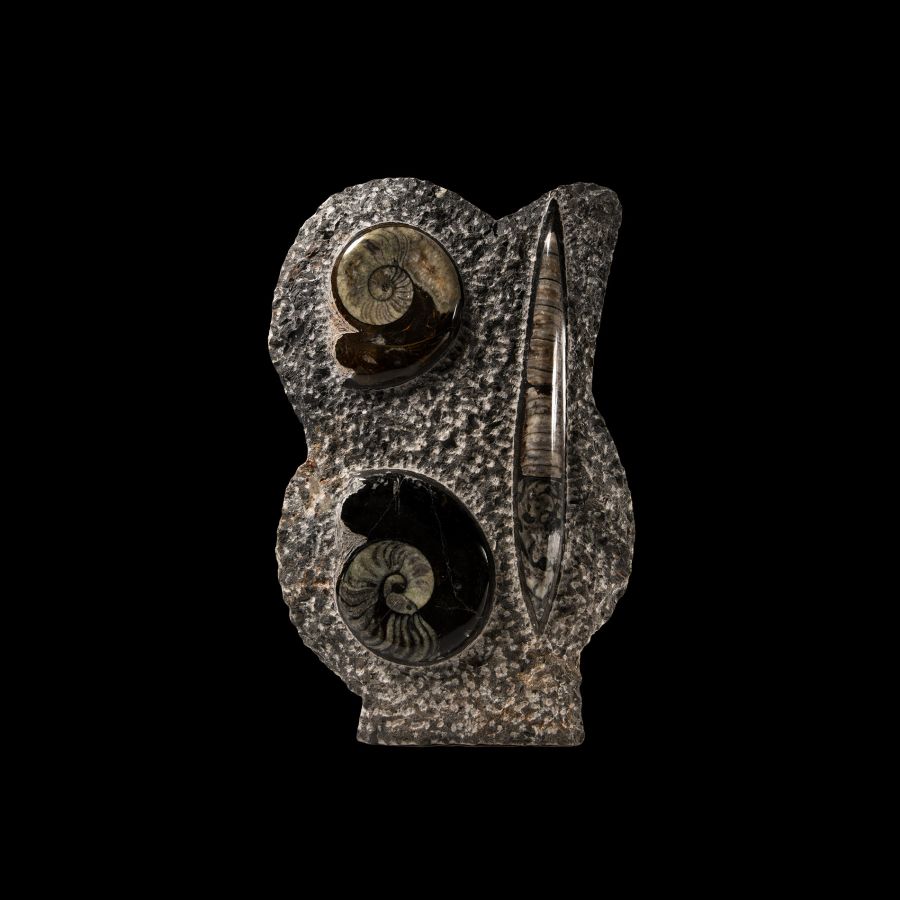
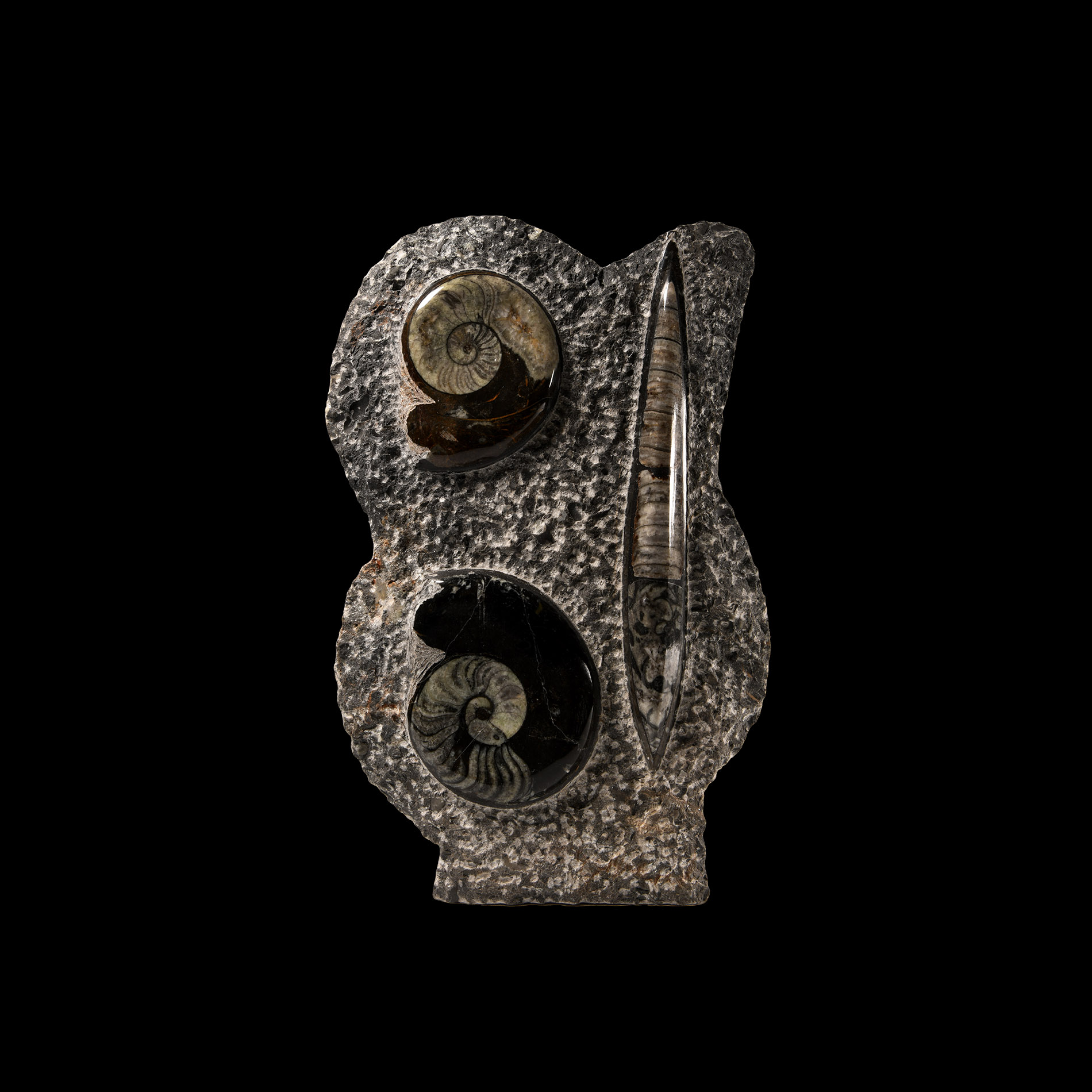
Natural History - Large Polished Goniatite and Orthoceras Fossil Display
UPPER DEVONIAN PERIOD, 370 MILLION YEARS B.P.
10 7/8 in. (2.1 kg, 27.5 cm high).
Freestanding textured matrix set with two Goniatite sp. specimens and a Orthoceras sp. specimen. [No Reserve]
ProvenanceEx Cambridgeshire, UK, collection.
CONDITIONTimeLine Auctions follows a vetting process to ensure the authenticity and legality of all items, reinforcing our commitment to integrity and responsible trading. Each antiquity, antique, and coin lot undergoes thorough examination by a vetting committee of at least ten external specialists, professional trade association members, scientists, and archaeologists: Our Vetting Process
AUCTIONS:
TimeLine is a leading auction house specialising in antiquities, ancient art, collectables, natural history, coins, medals, and books. Our auctions offer museums, collectors, historians, and enthusiasts the opportunity to acquire unique and historically significant pieces.
LOT 2492
Natural History - Large Polished Goniatite and Orthoceras Fossil Display
Sold for (Inc. bp): £39
-
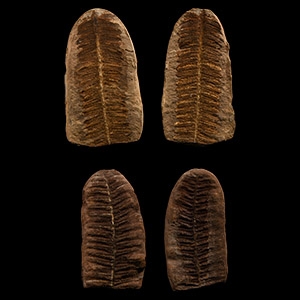
Natural History - Fossil Seed Fern Pair
Middle Pennsylvanian Period, circa 300 million years B.P.Sold for (Inc. bp): £46
Comprising two pairs of Pecopteris sp. 131 grams total, 54-65 mm
From the Mazon Creek Fossil Beds, Braidwood, Illinois, USA. Collected 1930-1960. From the collection of the palaeontologist R Gledhill. -
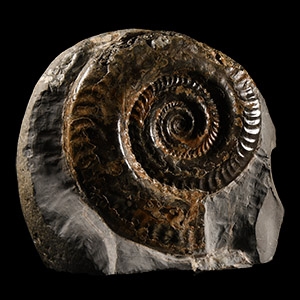
Natural History - Large British Hildoceras Fossil Ammonite Display
Jurassic Period, circa 190 million years B.P.Sold for (Inc. bp): £72
Free-standing with a Hildoceras bifrons fossil ammonite in the matrix. 3.2 kg, 17 cm
From North Yorkshire, UK. -
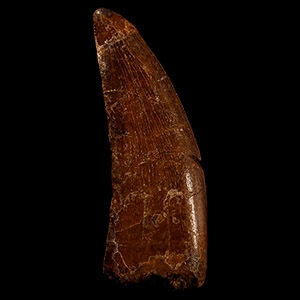
Natural History - Bahariasaurus Dinosaur Fossil Tooth
Cretaceous Period, circa 145-93 million years B.P.Sold for (Inc. bp): £85
With some good enamel, from Bahariasaurus ingens. 5.93 grams, 42 mm
Acquired during the 1980s. From an old Lincolnshire, UK, collection.
Bahariasaurus ingens was a mid-sized carnivore, and the teeth are different from Carcharodontosaurus in being thinner but having a thicker, more triangular X- section.
