
Loading, please wait...
LOT 2463
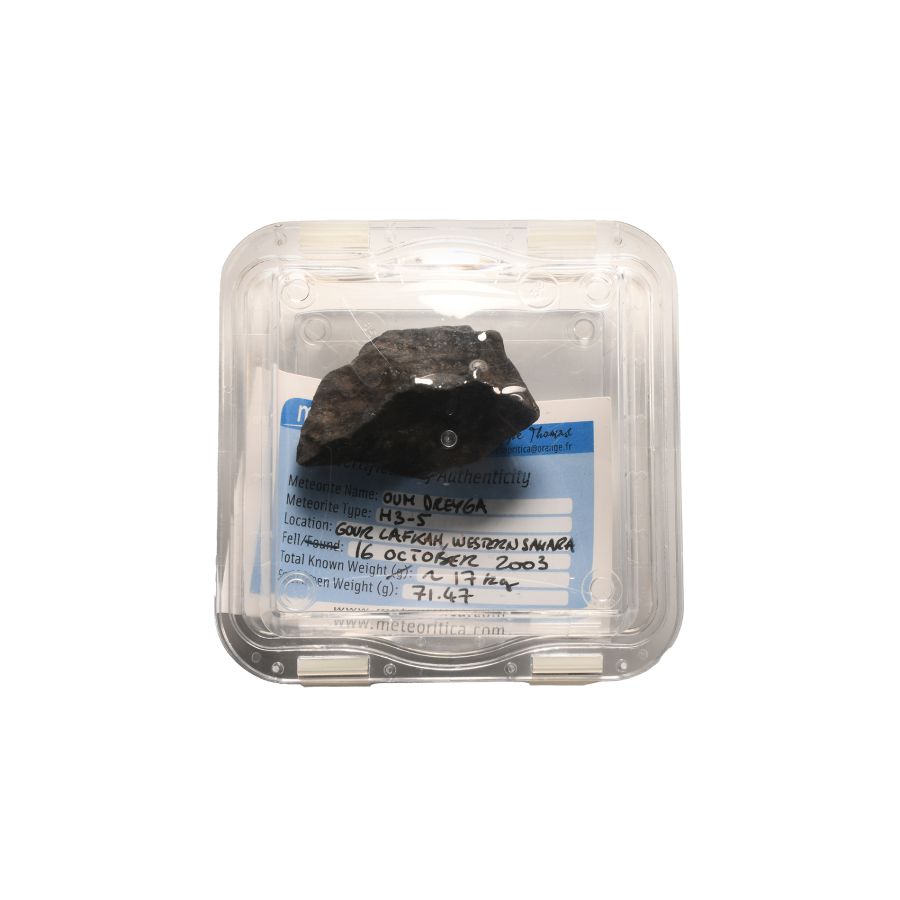
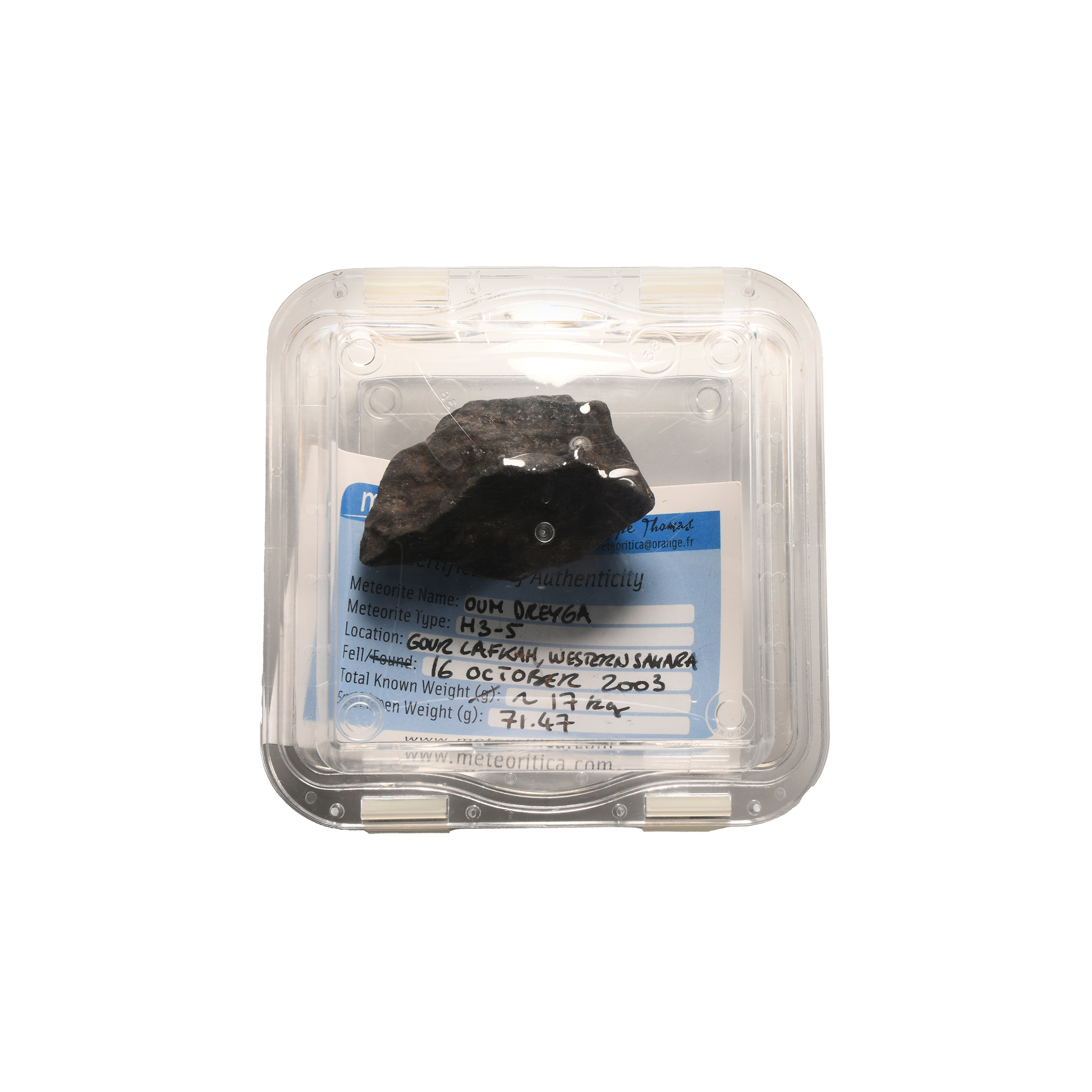
Natural History - Large Oum Dreyga Meteorite with Full Fusion Crust
FELL 16 OCTOBER 2003 A.D., 0200 HRS
4 x 4 in. (157 grams total, 10 x 10 cm including box).
An example of an ordinary chondrite H3-5 stone meteorite displayed in a Swiss membrane box with aluminium identification label; Gour Lafkah, Western Sahara. [No Reserve]
ProvenanceFrom Gour Lafkah, Western Sahara.
Ex French collection.
Accompanied by a certificate of authenticity from Meteoritica dated 2 April 2009.
TimeLine Auctions follows a vetting process to ensure the authenticity and legality of all items, reinforcing our commitment to integrity and responsible trading. Each antiquity, antique, and coin lot undergoes thorough examination by a vetting committee of at least ten external specialists, professional trade association members, scientists, and archaeologists: Our Vetting Process
AUCTIONS:
TimeLine is a leading auction house specialising in antiquities, ancient art, collectables, natural history, coins, medals, and books. Our auctions offer museums, collectors, historians, and enthusiasts the opportunity to acquire unique and historically significant pieces.
LOT 2463
Natural History - Large Oum Dreyga Meteorite with Full Fusion Crust
Sold for (Inc. bp): £286
-
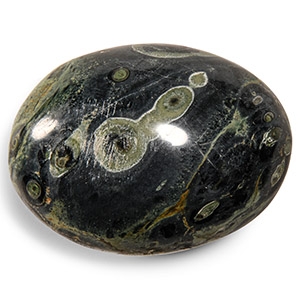
Natural History - Polished Kambaba Orbicular Bacteria Jasper Palm Stone
Circa 3 billion years B.P.Sold for (Inc. bp): £65
Also known as crocodile jasper, polished to an egg-shaped specimen with attractive surfaces. 128 grams total, 60 mm
From Madagascar. Ex Bristol, UK, collection.
This stromatolite formed in shallow waters from the build up of a group of cyanobacteria. It is also known as blue-green algae and their fossil record dates back almost three and a half billion years. -
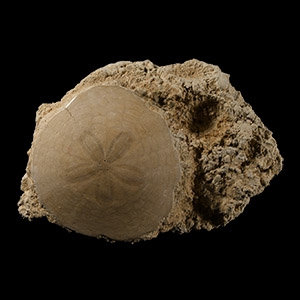
Natural History - Fossil Sand Dollar on Rock
Jurassic Period, 199-145 million years B.P.Sold for (Inc. bp): £59
The large specimen on a sandstone matrix. 363 grams, 12.9 cm
Ex Lincolnshire, UK, collection. -
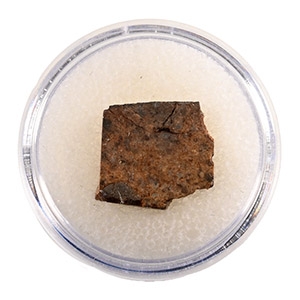
Natural History - NWA 073 L6 Chondrite Meteorite Slice in Case
Fell 2000 A.D.Sold for (Inc. bp): £65
A cut slice of NWA 073 L6, held in a perspex collector's case. 5.03 grams total, 32 mm wide including case
From the Sahara Desert, Morocco, North Africa. Property of a Sussex, UK, teacher.
