
Loading, please wait...
LOT 1749
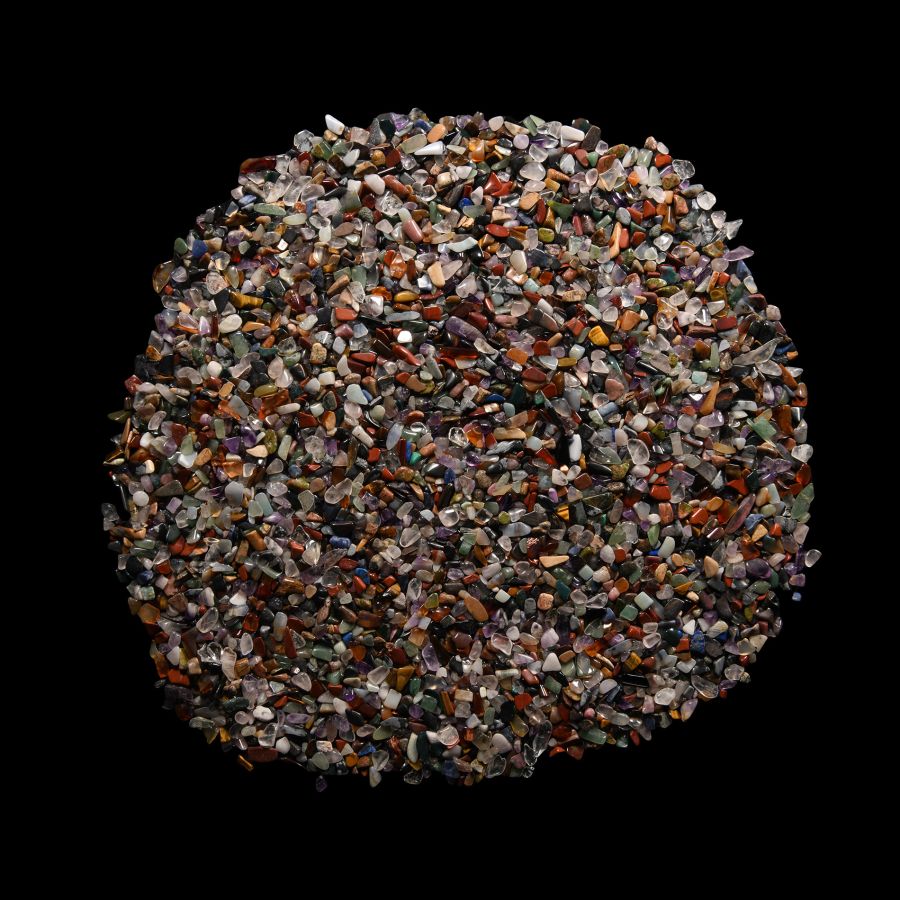
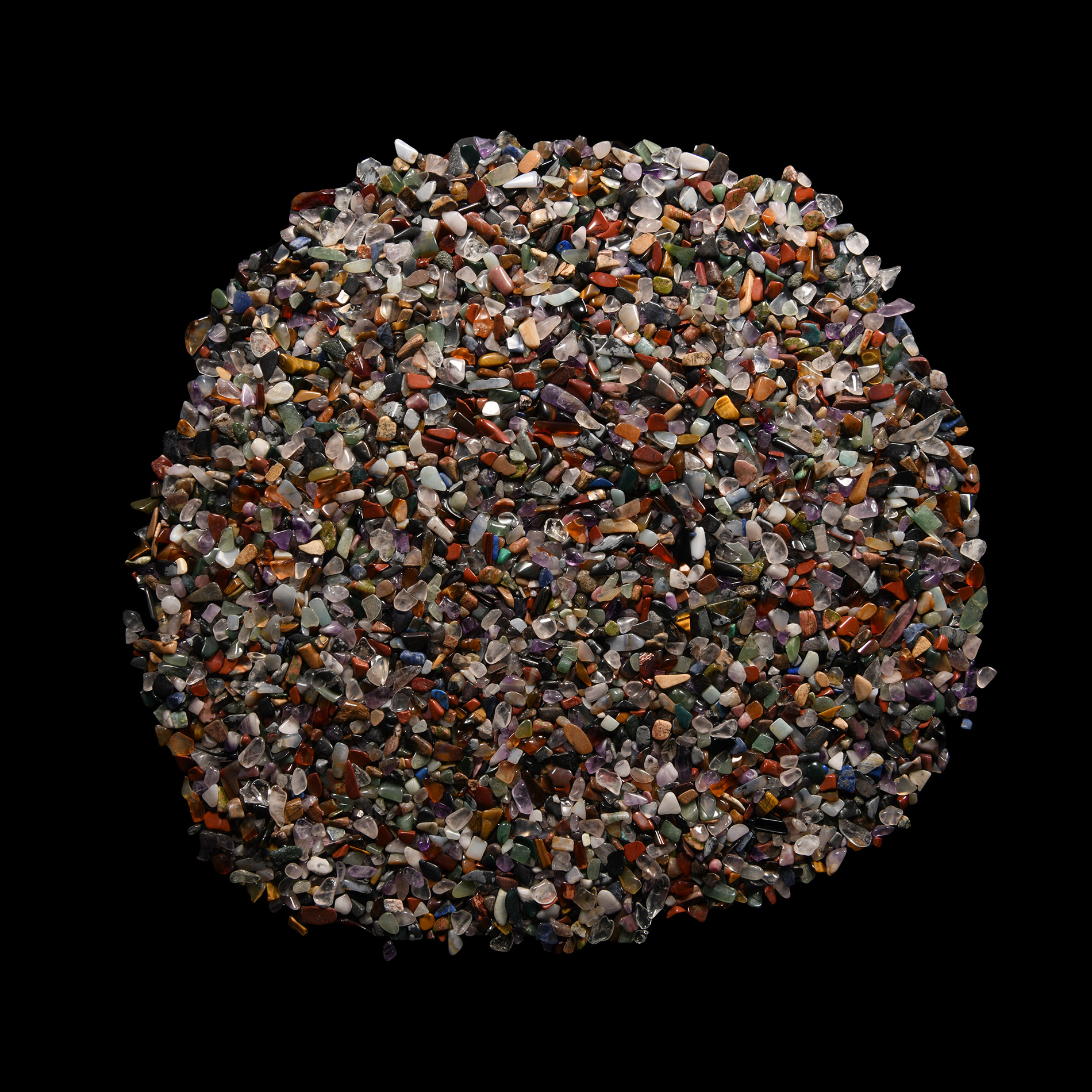
Natural History - Large Group of Small Polished Gemstone Specimens
1/8 - 5/8 in. (365 grams total, 3-18 cm).
A mixed group of small polished stones of various types and colours. [No Reserve]
ProvenanceMineral Imports, London, UK.
Gregory, Bottley & Lloyd (Gregory's).
TimeLine Auctions follows a vetting process to ensure the authenticity and legality of all items, reinforcing our commitment to integrity and responsible trading. Each antiquity, antique, and coin lot undergoes thorough examination by a vetting committee of at least ten external specialists, professional trade association members, scientists, and archaeologists: Our Vetting Process
AUCTIONS:
TimeLine is a leading auction house specialising in antiquities, ancient art, collectables, natural history, coins, medals, and books. Our auctions offer museums, collectors, historians, and enthusiasts the opportunity to acquire unique and historically significant pieces.
LOT 1749
Natural History - Large Group of Small Polished Gemstone Specimens
Sold for (Inc. bp): £13
-
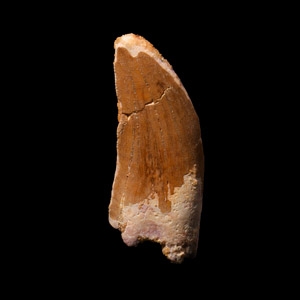
Natural History - Bahariasaurus Dinosaur Fossil Tooth
Cretaceous Period, 145-65 million years B.P.Sold for (Inc. bp): £64
A Bahariasaurus ingens fossil dinosaur tooth; held in a white card collector's tray. 9 grams, 52 mm length (16 grams total, 52 x 51 mm including tray)
Fine condition.
Tegana formation of the Sahara Desert, Morocco, North Africa. Acquired 1980s. Old Bristol collection.
Bahariasaurus ingens was a mid-sized carnivore. -
.jpg)
Natural History - Fossil Shrimps in Matrix
Cretaceous Period, circa 110 million years B.P.Sold for (Inc. bp): £26
A pair of fossil Carpopenaeus callirostris shrimps in a matrix. 165 grams, 93 x 95 mm
Fine condition.
Lincolnshire, UK, collection. -
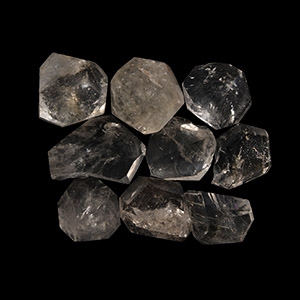
Natural History - Cut and Polished Quartz Crystal Specimen Group
Sold for (Inc. bp): £33
A group of nine polished quartz crystal specimens of various shapes. 619 grams total, 44-67 mm
From Brazil. Mineral Imports, London, UK. Gregory, Bottley & Lloyd (Gregory's).
