
Loading, please wait...
LOT 2378
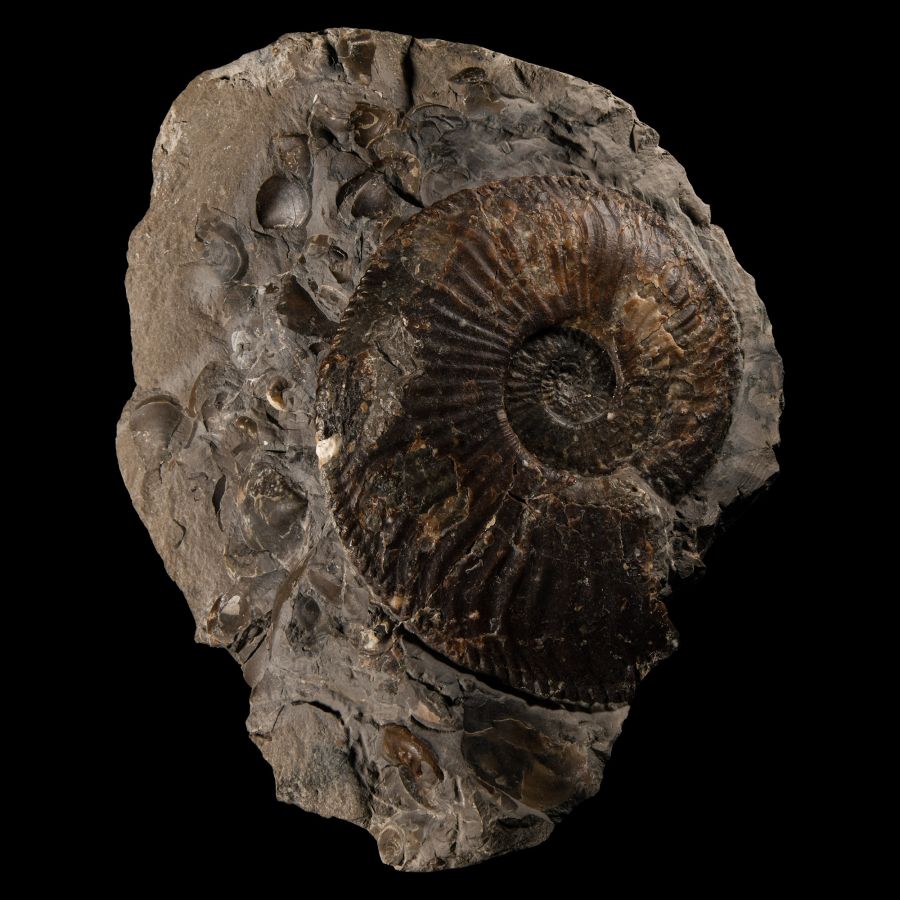
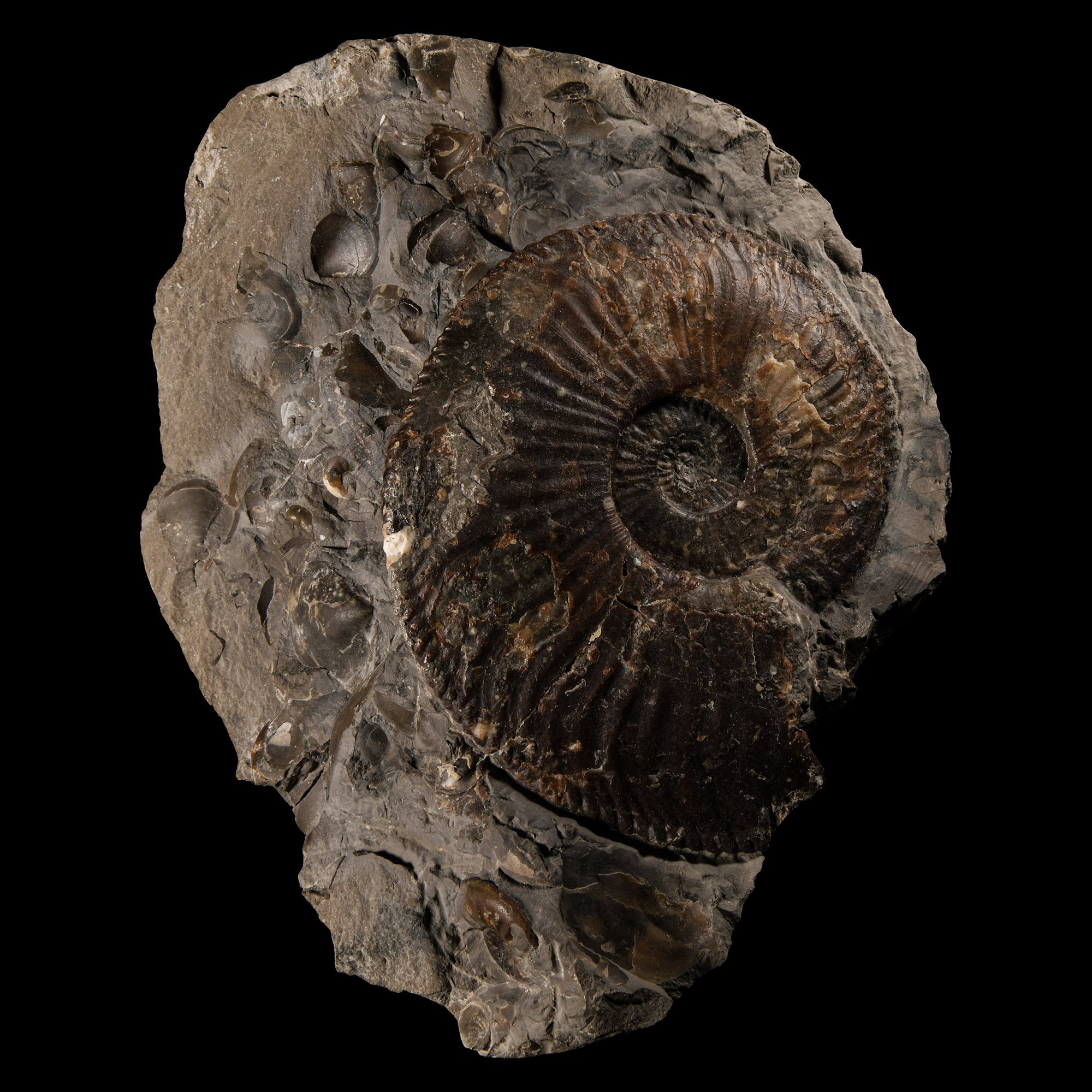
Natural History - Large British Amaltheus Fossil Ammonite Display
JURASSIC PERIOD, CIRCA 180-185 MILLION YEARS B.P.
6 7/8 in. (1.2 kg, 17.5 cm).
Presenting an Amaltheus stokesi fossil ammonite in a matrix, together with other fossil inclusions. [No Reserve]
ProvenanceFrom Hawsker, North Yorkshire, UK.
CONDITIONTimeLine Auctions follows a vetting process to ensure the authenticity and legality of all items, reinforcing our commitment to integrity and responsible trading. Each antiquity, antique, and coin lot undergoes thorough examination by a vetting committee of at least ten external specialists, professional trade association members, scientists, and archaeologists: Our Vetting Process
AUCTIONS:
TimeLine is a leading auction house specialising in antiquities, ancient art, collectables, natural history, coins, medals, and books. Our auctions offer museums, collectors, historians, and enthusiasts the opportunity to acquire unique and historically significant pieces.
LOT 2378
Natural History - Large British Amaltheus Fossil Ammonite Display
Sold for (Inc. bp): £46
-
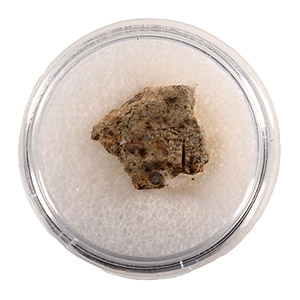
Natural History - NWA 2947 Chondrite Meteorite Slice in Gem Case
Sold for (Inc. bp): £20
A cut slice of NWA 2947 chondrite meteorite, displayed in a collector's case. 4.93 grams total, 32 mm including case
From the Sahara Desert, North Africa. Property of a Sussex, UK, teacher. -
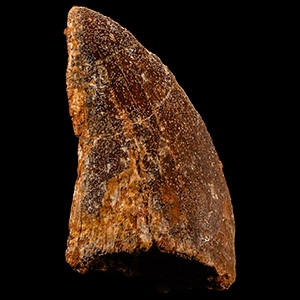
Natural History - Fossil 'African T-rex' Dinosaur Tooth
Cretaceous Period, circa 145-93 million years B.P.Sold for (Inc. bp): £78
Displaying enamel to one side, from Carcharodontosaurus saharicus. 9.3 grams, 43 mm
From the Tegana formation, Sahara Desert, Morocco. Acquired during the 1980s. From an old Lincolnshire, UK, collection. -
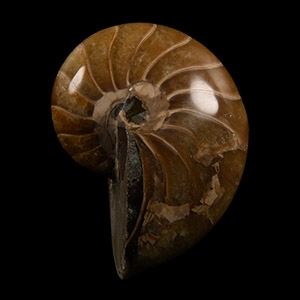
Natural History - Polished Fossil Nautilus
Cretaceous Period, circa 120 million years B.P.Sold for (Inc. bp): £46
The coiled shell of Cymatoceras sakalavus showing the distinctive chamber construction. 298 grams, 82 mm
From Mahajanga jungles on the North West coast of Madagascar. From an old Oxfordshire, UK, fossil and mineral collection.
