
Loading, please wait...
LOT 2103
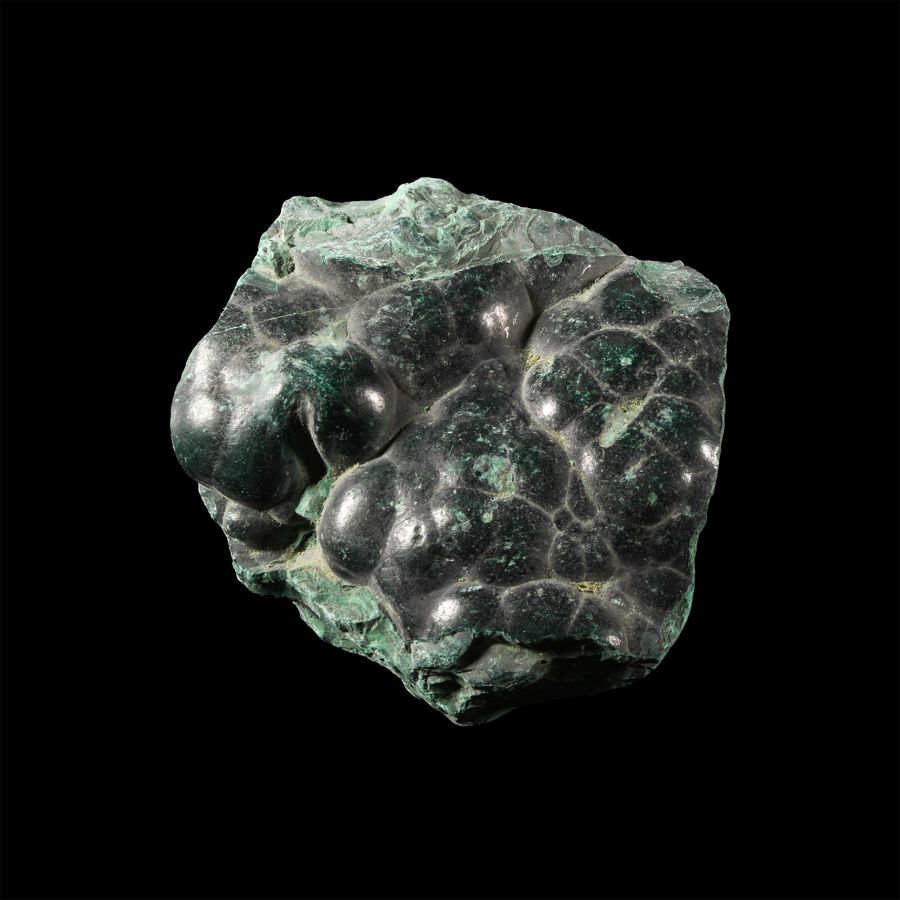
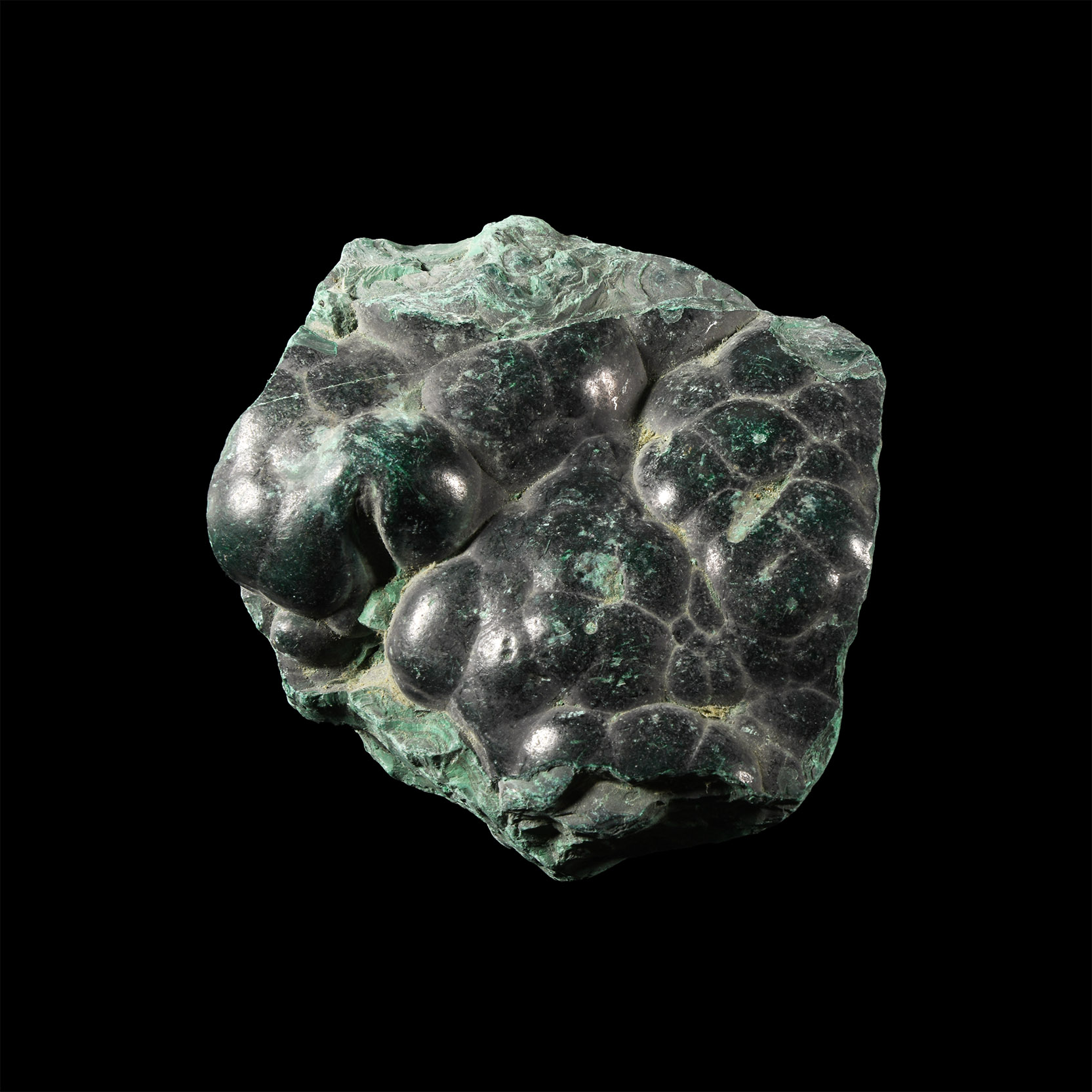
Natural History - Large and Heavy Natural Malachite Section
3 7/8 in. (1 kg, 97 mm).
With botryoidal crystal habit. [No Reserve]
ProvenanceFrom Democratic Republic of the Congo.
Ex Mineral Imports, London, UK.
Gregory, Bottley & Lloyd (Gregory's).
TimeLine Auctions follows a vetting process to ensure the authenticity and legality of all items, reinforcing our commitment to integrity and responsible trading. Each antiquity, antique, and coin lot undergoes thorough examination by a vetting committee of at least ten external specialists, professional trade association members, scientists, and archaeologists: Our Vetting Process
AUCTIONS:
TimeLine is a leading auction house specialising in antiquities, ancient art, collectables, natural history, coins, medals, and books. Our auctions offer museums, collectors, historians, and enthusiasts the opportunity to acquire unique and historically significant pieces.
LOT 2103
Natural History - Large and Heavy Natural Malachite Section
Sold for (Inc. bp): £78
-

Natural History - Large Boxed Fenster Quartz Elestial Group [15]
Sold for (Inc. bp): £26
Of irregular shapes; each in a labelled cardboard tray. 1.34 kg total, 50-71 mm
From Paredon, Coahuila, Mexico. Ex Mineral Imports, London, UK. Gregory, Bottley & Lloyd (Gregory's). -

Natural History - Polished Fossil Bivalve Group
Jurassic Period, circa 160 million years B.P.Sold for (Inc. bp): £13
Comprising two complete polished bivalves. 298 grams total, 69-76 mm
From Morondava River Basin, Atsimo-Andrefana Region, Southwest Madagascar. From an old Oxfordshire, UK, fossil and mineral collection. -

Natural History - White Pecopteris Fern Specimen Group
Devonian Period, circa 417-354 million years B.P.Sold for (Inc. bp): £13
Five Pecopteris sp. fern specimens on irregular matrices 3.04 kg total, 15-25 cm
From St. Clair, Pennsylvania, USA. Acquired during the 1980s. From the Pradi Collection, Boston, USA.
These fern fossils are very common from coal mining areas around the world. However, it is the unique state of preservation of the white on the black shale that gives the St. Clair ferns their beauty and rarity. This combination is not found anywhere else in the world.
