
Loading, please wait...
LOT 1976
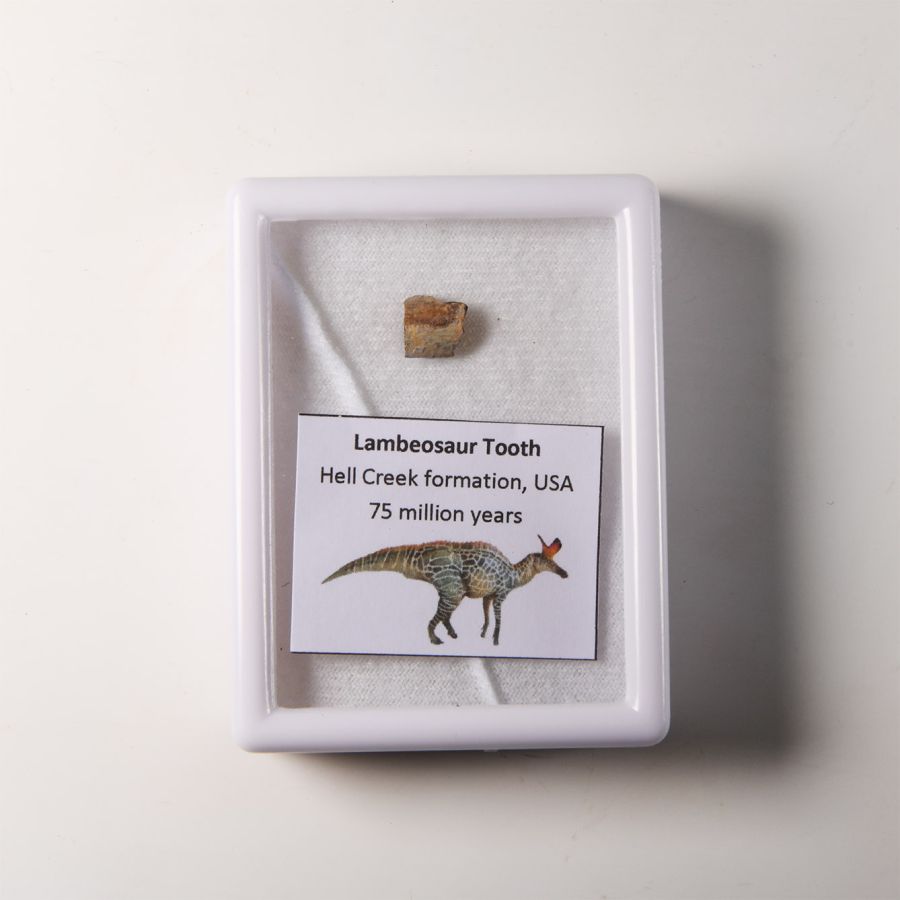
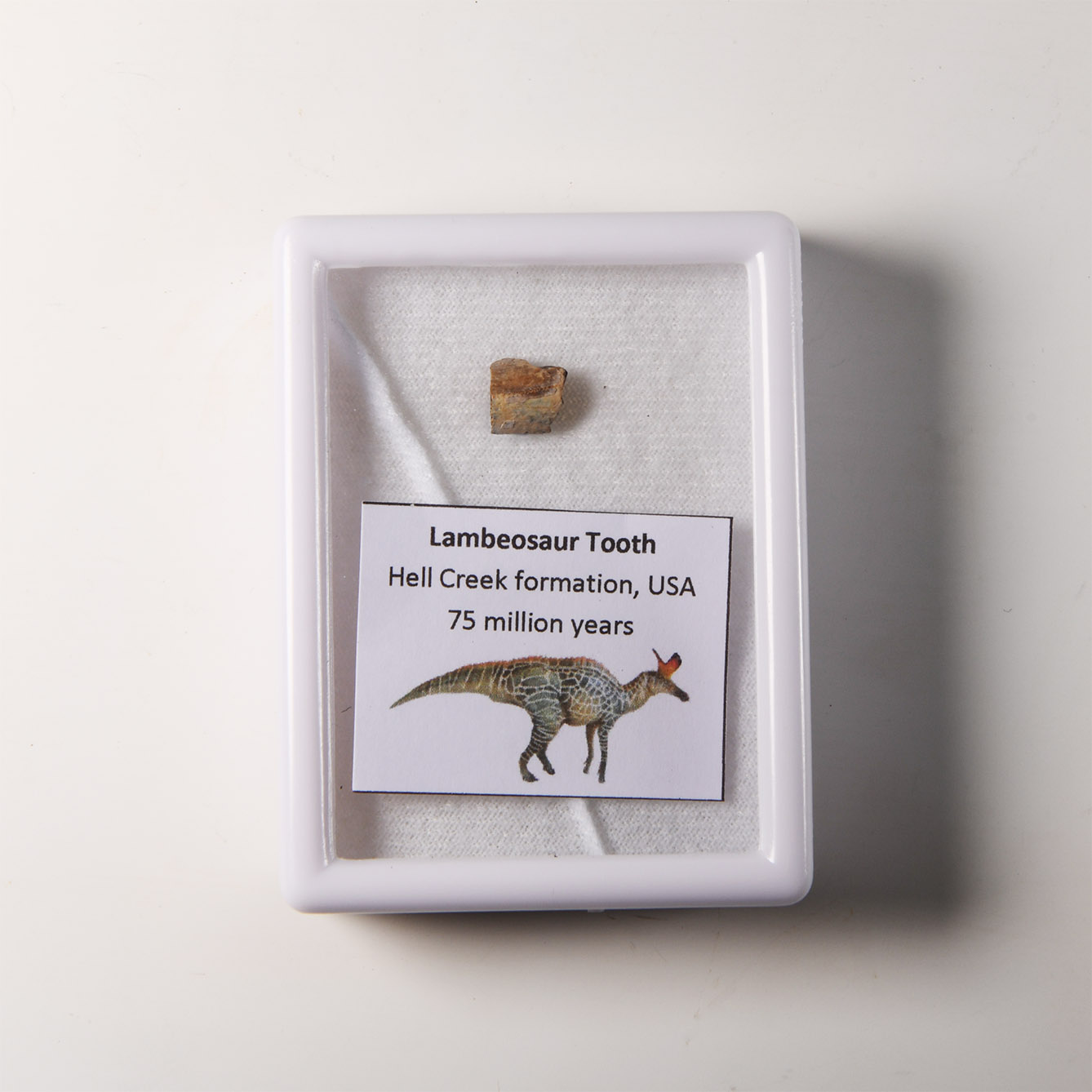
Natural History - Lambeosaurus Hadrosaurid Dinosaur Fossil Tooth
CRETACEOUS PERIOD, CIRCA 84-70 MILLION YEARS B.P.
3 1/4 x 2 1/2 in. (45 grams total, 83 x 63 cm including box).
A fossil Lambeosaur sp. tooth; held in a collector's box with viewing panel. [No Reserve]
ProvenanceFrom the Hell Creek Formation, South Dakota, U.S.A.
Acquired 1950s-1960s.
From an old Bristol, UK, paleontological collection.
TimeLine Auctions follows a vetting process to ensure the authenticity and legality of all items, reinforcing our commitment to integrity and responsible trading. Each antiquity, antique, and coin lot undergoes thorough examination by a vetting committee of at least ten external specialists, professional trade association members, scientists, and archaeologists: Our Vetting Process
AUCTIONS:
TimeLine is a leading auction house specialising in antiquities, ancient art, collectables, natural history, coins, medals, and books. Our auctions offer museums, collectors, historians, and enthusiasts the opportunity to acquire unique and historically significant pieces.
LOT 1976
Natural History - Lambeosaurus Hadrosaurid Dinosaur Fossil Tooth
Sold for (Inc. bp): £39
-

Natural History - Mastodon Bone Carving
Pliocene Period, 5.2-2.5 million years B.P.Sold for (Inc. bp): £78
A Mastodon bone carving depicting a stylised face with emphasised features. 444 grams, 11.5 cm
From the Island of Java. Acquired 1950s-1960s. From an old Bristol, UK, paleontological collection. -
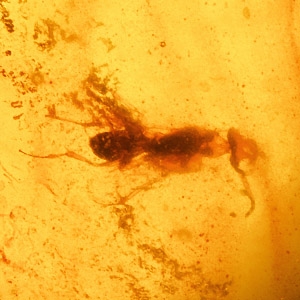
Natural History - Polished Amber with Insect Inclusions
Oligocene Period, circa 45 million years B.P.Sold for (Inc. bp): £46
A polished specimen of amber displaying insect inclusions. 1.07 grams, 17 mm
Property of a Sussex, UK, teacher. -
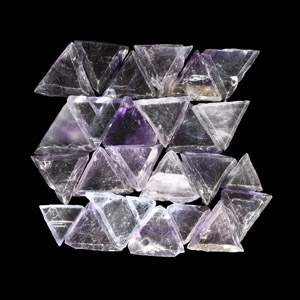
Natural History - Fluorite Triangle Collection
Sold for (Inc. bp): £20
A group of 25 natural purple and lavender fluorite triangular cleavages. 400 grams total, 26-41 mm
Fine condition.
From China. Mineral Imports, London, UK. Gregory, Bottley & Lloyd (Gregory's).
