
Loading, please wait...
LOT 1768
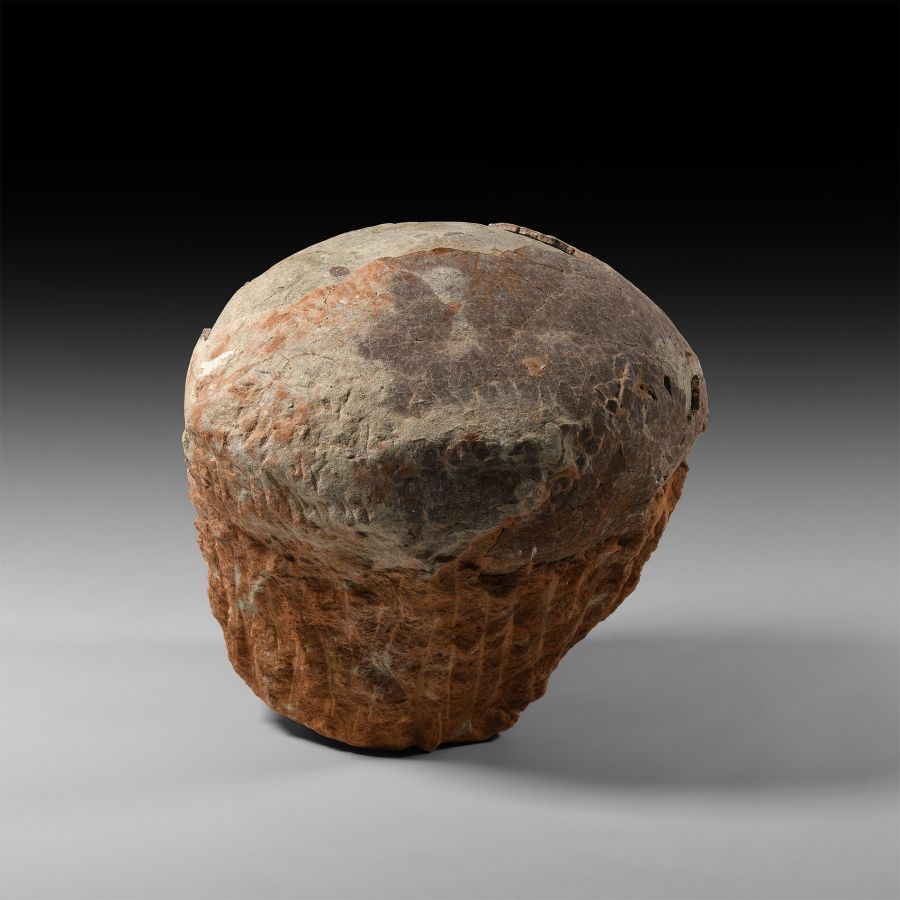
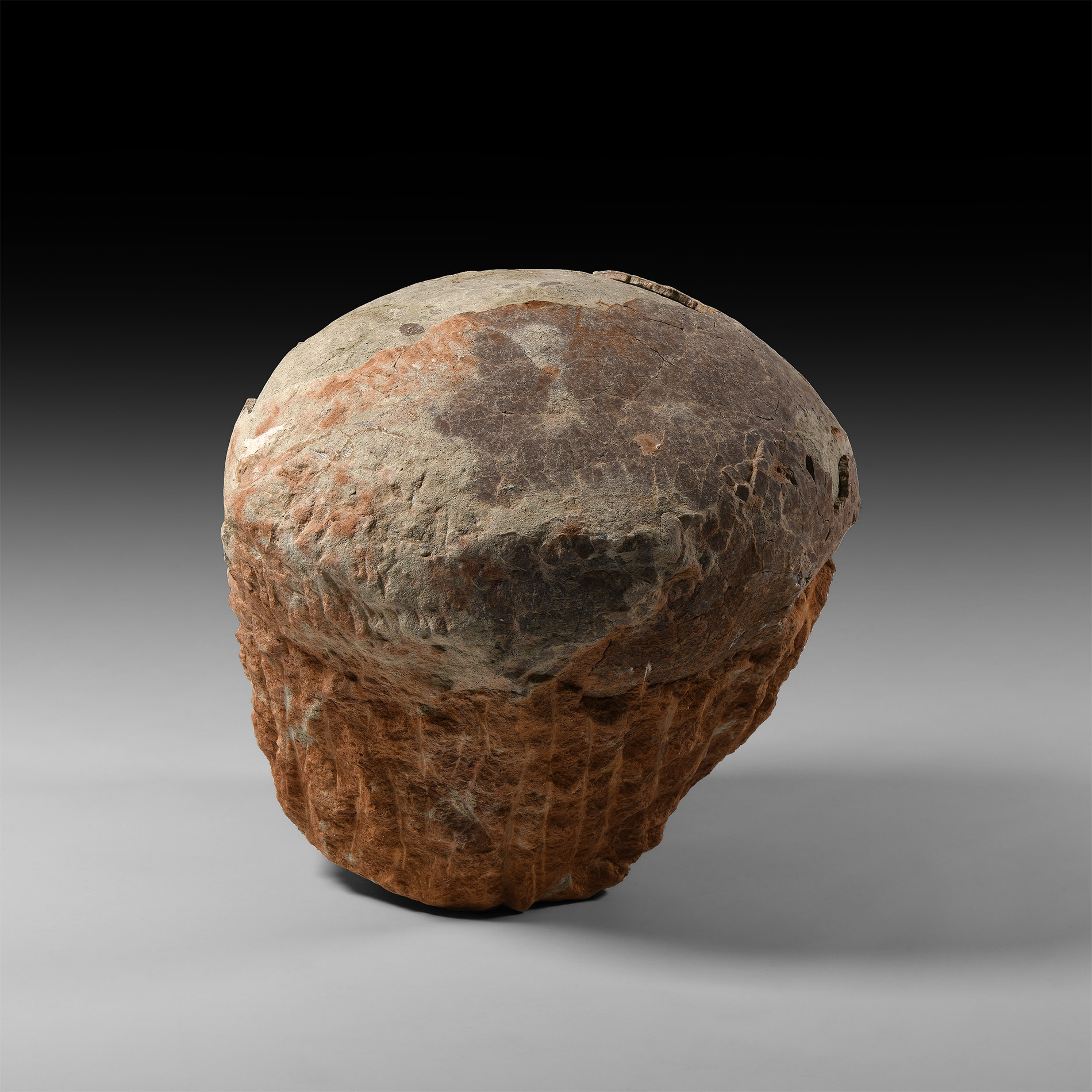
Natural History - Hadrosaur Dinosaur Egg
CRETACEOUS PERIOD, 145-65 MILLION YEARS B.P.
6 1/4 in. (3.9 kg, 16 cm wide).
A Charonosaurus sp. hadrosaur egg on a matrix retaining evidence of the original leathery surface.
ProvenanceFrom a Cambridgeshire, UK, collection.
FootnotesDinosaur eggs are known from about 200 sites around the world, the majority in Asia and mostly in terrestrial (non-marine) rocks of Cretaceous Age. It may be that thick calcite eggshells evolved during the Cretaceous (145 to 65 million years ago). Most dinosaur eggs have one of two forms of eggshell that are distinct from the shells of related modern animal groups, such as turtles or birds; however, some eggs closely resemble the type of shells seen in present day ostrich eggs.
CONDITIONTimeLine Auctions follows a vetting process to ensure the authenticity and legality of all items, reinforcing our commitment to integrity and responsible trading. Each antiquity, antique, and coin lot undergoes thorough examination by a vetting committee of at least ten external specialists, professional trade association members, scientists, and archaeologists: Our Vetting Process
AUCTIONS:
TimeLine is a leading auction house specialising in antiquities, ancient art, collectables, natural history, coins, medals, and books. Our auctions offer museums, collectors, historians, and enthusiasts the opportunity to acquire unique and historically significant pieces.
-
.jpg)
Natural History - Campo Del Cielo Meteorite
Fell 6000-5000 years B.P.Sold for (Inc. bp): £91
A nickel iron (IAB) Campo del Cielo meteorite, composition 92.9% iron, 6.7% nickel. 76 grams, 44 mm
Very fine condition.
Discovered 1576 A.D., Chaco Province, Argentina. Ex Lincolnshire, UK, collection. -
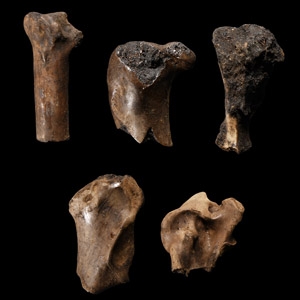
Natural History - Fossil Bird Bone Group
Pleistocene Period, circa 2 million years B.P.Sold for (Inc. bp): £5
A group of five fossil bird bones. 18.7 grams total, 27-39 mm
From Rancho La Brea Formation, Maricopa Co., California, U.S.A. Acquired in the 1980s. From an old Bristol, UK, paleontological collection. -
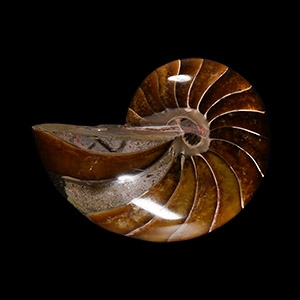
Natural History - Polished Fossil Nautilus
Cretaceous Period, circa 120 million years B.P.Sold for (Inc. bp): £72
A polished fossil Cymatoceras sakalavus nautilus. 208 grams, 75 mm
From the jungles of Mahajanga on the North West coast of Madagascar. From an old Oxfordshire, UK, fossil and mineral collection.
