
Loading, please wait...
LOT 1817
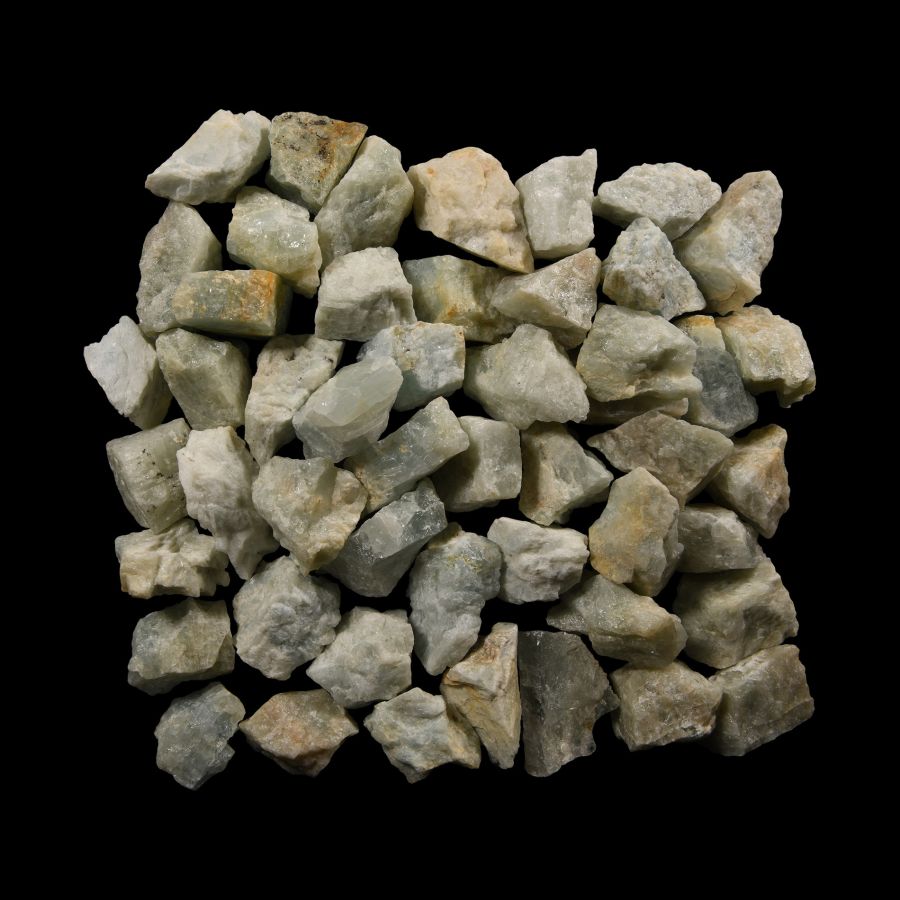
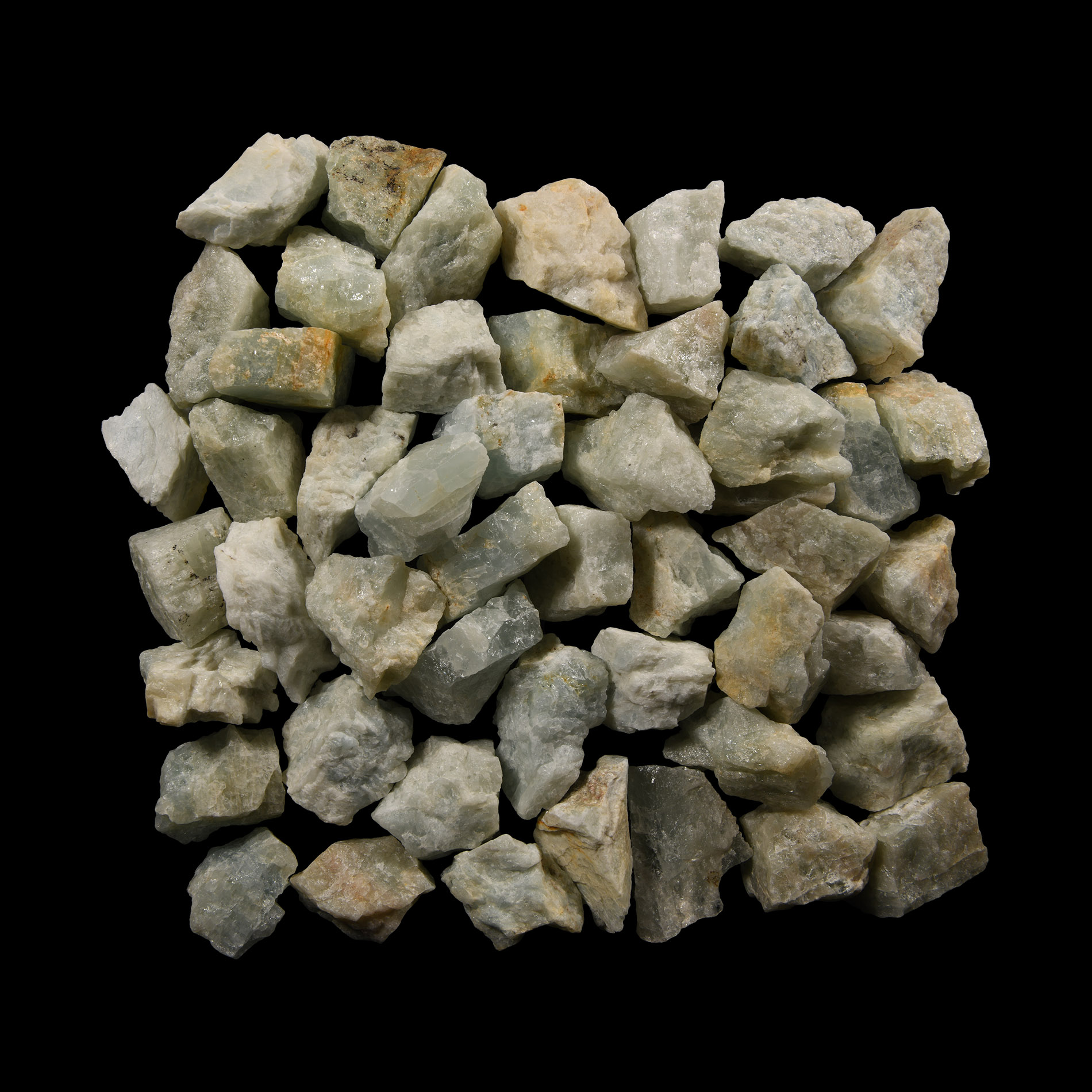
Natural History - Green Beryl Mineral Specimens
1 3/8 - 2 1/4 in. (2 kg total, 34-59 mm).
A group of 50 green beryl mineral specimens. [50, No Reserve]
ProvenanceFrom Brazil.
Mineral Imports, London, UK.
Gregory, Bottley & Lloyd (Gregory's).
TimeLine Auctions follows a vetting process to ensure the authenticity and legality of all items, reinforcing our commitment to integrity and responsible trading. Each antiquity, antique, and coin lot undergoes thorough examination by a vetting committee of at least ten external specialists, professional trade association members, scientists, and archaeologists: Our Vetting Process
AUCTIONS:
TimeLine is a leading auction house specialising in antiquities, ancient art, collectables, natural history, coins, medals, and books. Our auctions offer museums, collectors, historians, and enthusiasts the opportunity to acquire unique and historically significant pieces.
-
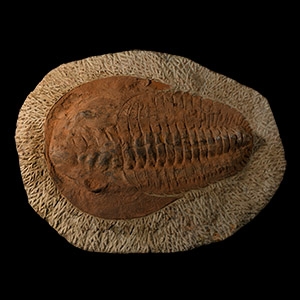
Natural History - Large Fossil Cambropallas Trilobite
Devonian Period, 417-354 million years B.P.Sold for (Inc. bp): £91
A large Cambropallas sp. fossil trilobite in a matrix. 4 kg, 33 cm
From Morocco, North Africa. From an Essex, UK, collection. -
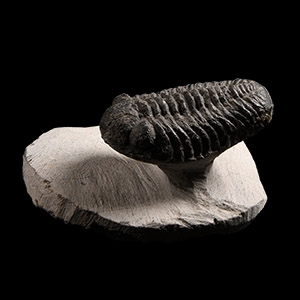
Natural History - Phacops Fossil Trilobite
Devonian Period, 417-354 million years B.P.Sold for (Inc. bp): £33
A fossil Phacops sp. trilobite on a matrix. 149 grams, 76 mm
From the Atlas Mountains, Pragian, (Alnif), Morocco, North Africa. From an old Oxfordshire, UK, fossil and mineral collection. -
.jpg)
Natural History - Three-Dimensional Mosasaur Skull with Vertebrae
Cretaceous Period, 145-65 million years B.P.Estimate: £2,500 - 3,500 (+bp*)
Opening Bid: £1,250
A fossil Mosasaur sp. displaying the skull with at least 33 teeth surviving in the upper and lower jaw, many with remains of enamel, alongside the remains of at least 15 of the animal's vertebrae; a juvenile on a sedimentary matrix wrapped in a plaster field jacket. 19.7 kg, 62 cm wide
From a Cambridgeshire, UK, collection. This lot has been checked against the Interpol Database of stolen works of art and is accompanied by search certificate number no.11722-197505.
Mosasaurs (from the Greek for 'lizard') were aquatic dinosaurs which probably gave birth to live young.
