
Loading, please wait...
LOT 2305
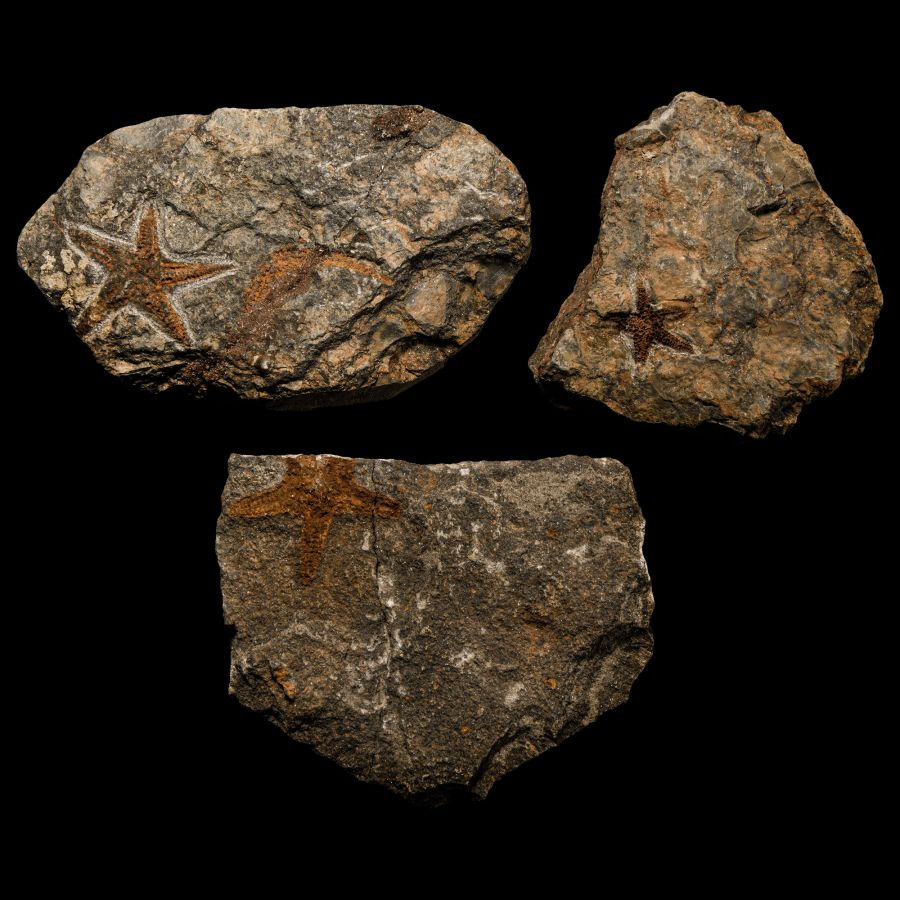
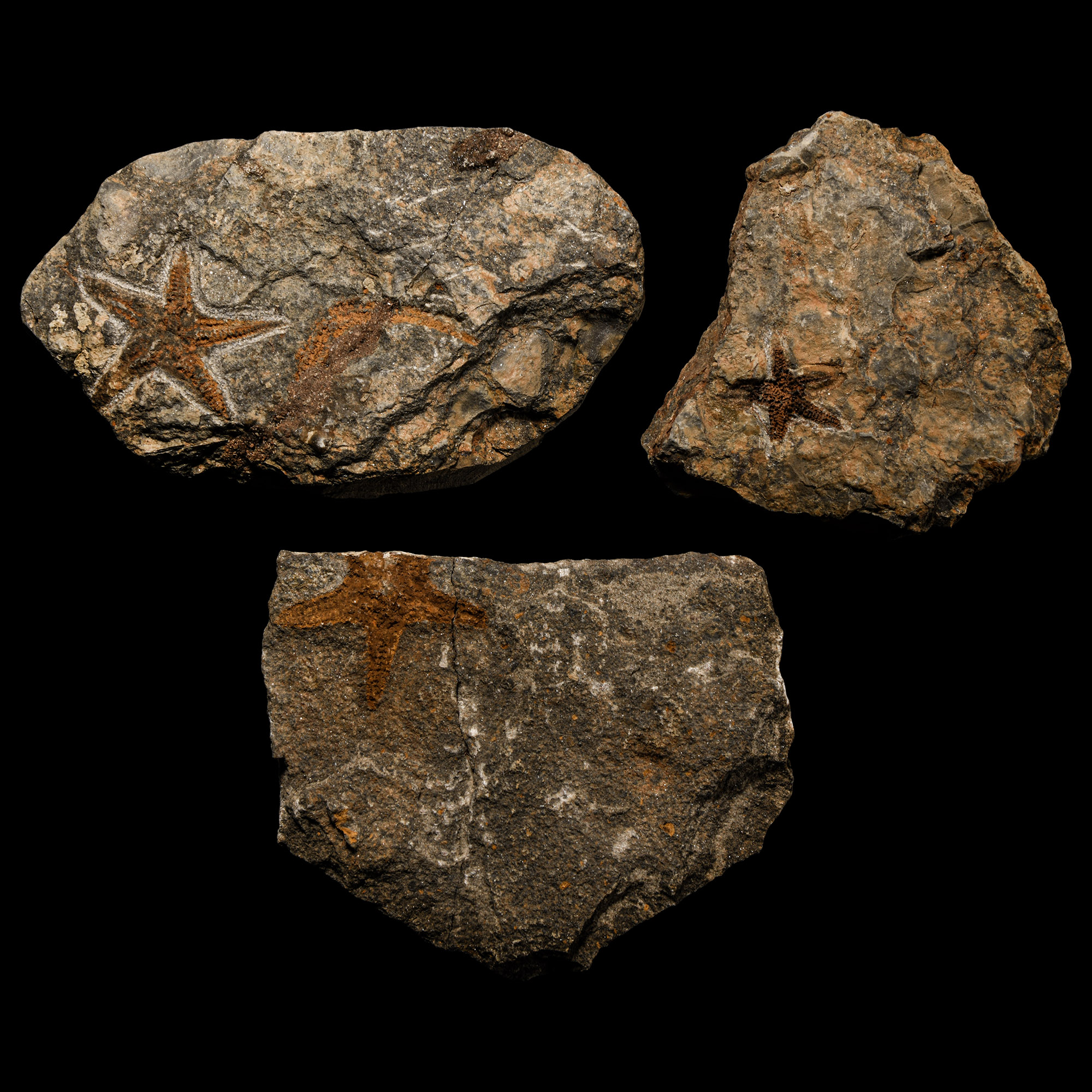
Natural History - Fossil Star Fish Group
ORDOVICIAN PERIOD, CIRCA 485.4-443.8 MILLION YEARS B.P.
3 3/8 - 4 3/4 in. (539 grams total, 8.5-11.9 cm).
Comprising three irregular matrices, each containing a Petraster sp. specimen. [3, No Reserve]
ProvenanceEx Lincolnshire, UK, collection.
CONDITIONTimeLine Auctions follows a vetting process to ensure the authenticity and legality of all items, reinforcing our commitment to integrity and responsible trading. Each antiquity, antique, and coin lot undergoes thorough examination by a vetting committee of at least ten external specialists, professional trade association members, scientists, and archaeologists: Our Vetting Process
AUCTIONS:
TimeLine is a leading auction house specialising in antiquities, ancient art, collectables, natural history, coins, medals, and books. Our auctions offer museums, collectors, historians, and enthusiasts the opportunity to acquire unique and historically significant pieces.
-
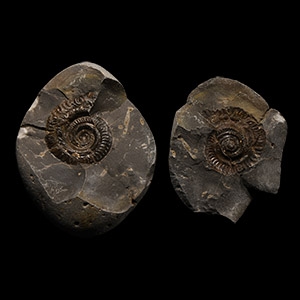
Natural History - Whitby Dac Fossil Ammonite Nodule
Lower Jurassic Period, Toarcian Stage, circa 180 million years B.P.Sold for (Inc. bp): £20
The nodule halves comprising the positive and negative of Hildoceras sp. ammonite. 613 grams total, 9.2-10.7 cm
Ex Lincolnshire, UK, collection. -
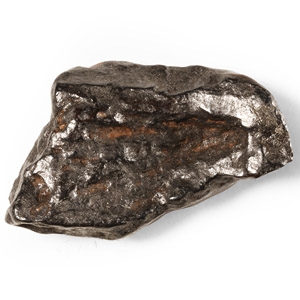
Natural History - Chinese Nantan Meteorite
Fell 1516 A.D., found 1958 A.D.Sold for (Inc. bp): £78
An amorphous nickel iron Nantan meteorite (1AB), cleaned. 3.58 grams, 22 mm
Found Nantan, Nandan County, Guangzi Region, China. Property of a Sussex, UK, teacher.
The Nantan meteorite fell in 1516, as recorded in ancient Chinese texts; the fall exploded during descent which resulted in a shower of many individual iron meteorites over an area some 28km x 8km in Nantan County, Guangxi, China. Classified as an iron meteorite; 111CD Course Octohedrite, the composition is approximately 92% iron, 6% nickel and contains more than ten other minerals including kamacite, taenite, dominate, plessite, schreibersite, triolite, graphite and others. In 2000, pieces of the Nantan meteorite were incorporated into an art installation for The Bull Ring Shopping Centre in Birmingham, England. Today, a plaque commemorates the occasion. -
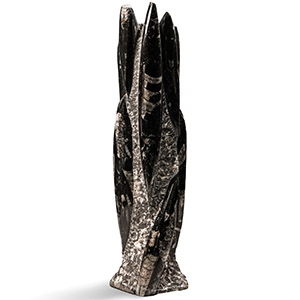
Natural History - Large Orthoceras Fossil Tower
Devonian Period, 417-354 million years B.P.Sold for (Inc. bp): £91
Comprising a number of polished Orthoceras sp. specimens on a freestanding matrix. 3.66 kg, 37.5 cm
From the Atlas Mountains, Morocco. Acquired 1950s-1960s. From an old Bristol, UK, palaeontological collection.
