
Loading, please wait...
LOT 2510
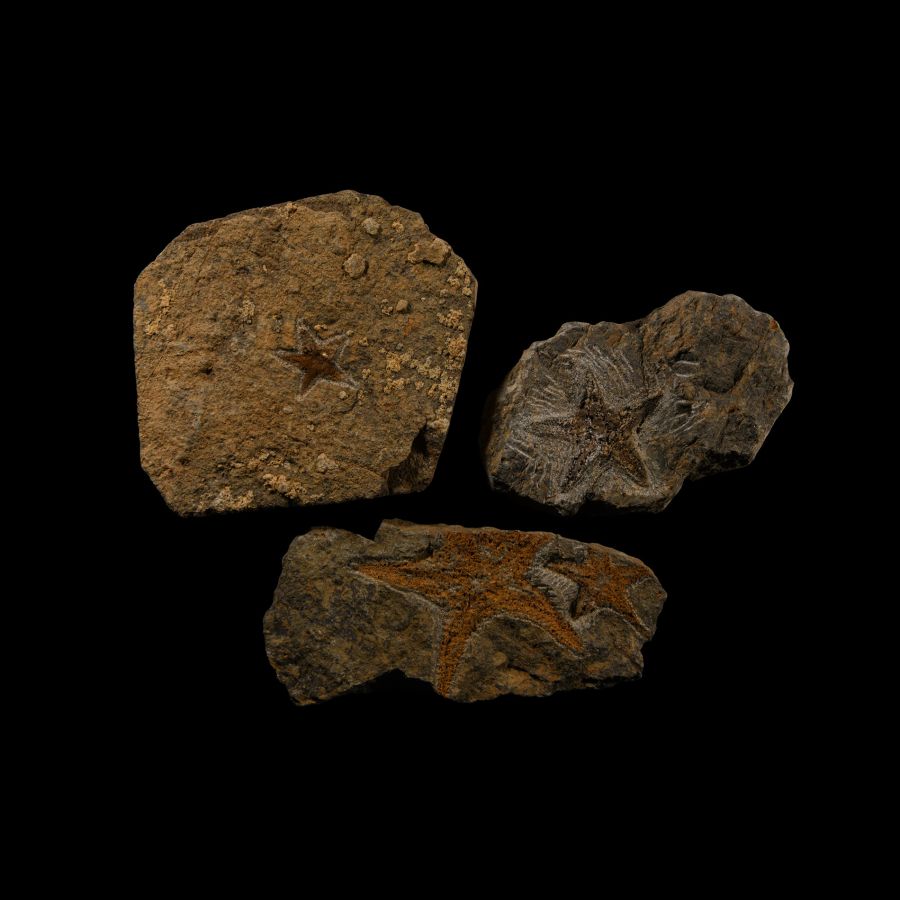
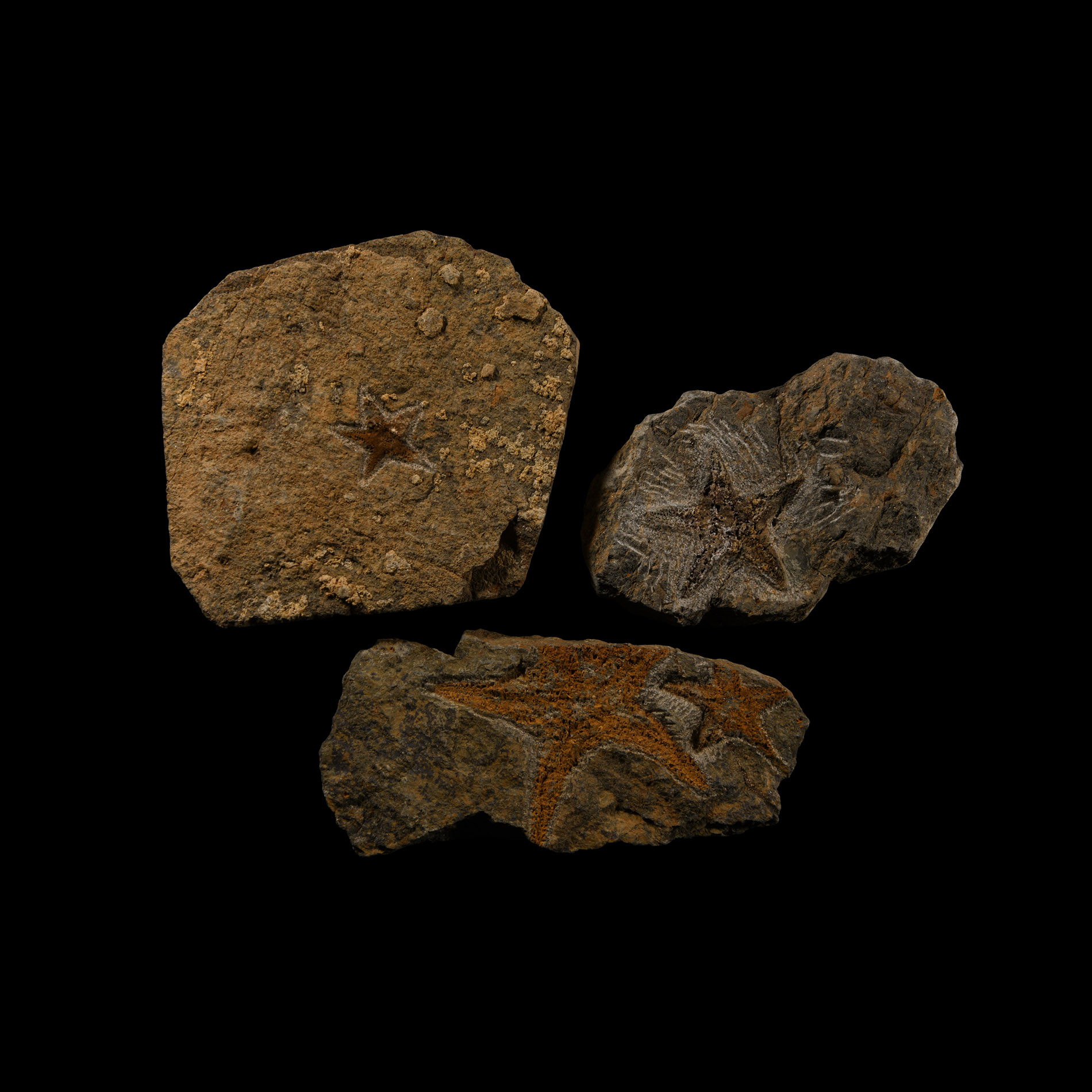
Natural History - Fossil Star Fish Group
ORDOVICIAN PERIOD, CIRCA 485.4-443.8 MILLION YEARS B.P.
4 - 4 1/2 in. (671 grams total, 10.1-11.4 cm).
Comprising three irregular matrices, two containing a single specimen of Petraster sp. and the third with two partial specimens. [3, No Reserve]
ProvenanceEx Lincolnshire, UK, collection.
CONDITIONTimeLine Auctions follows a vetting process to ensure the authenticity and legality of all items, reinforcing our commitment to integrity and responsible trading. Each antiquity, antique, and coin lot undergoes thorough examination by a vetting committee of at least ten external specialists, professional trade association members, scientists, and archaeologists: Our Vetting Process
AUCTIONS:
TimeLine is a leading auction house specialising in antiquities, ancient art, collectables, natural history, coins, medals, and books. Our auctions offer museums, collectors, historians, and enthusiasts the opportunity to acquire unique and historically significant pieces.
-
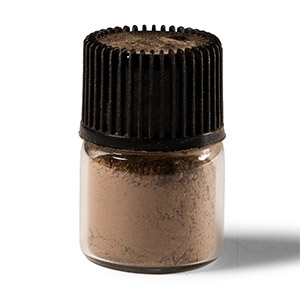
Natural History - Meteorite Dust from NWA Meteorites in Display Vial
Sold for (Inc. bp): £7
A small glass vial of meteoritic dust with a screw cap. 4.79 grams total, 24 mm
From the Sahara Desert, North Africa. Property of a Sussex, UK, teacher. -
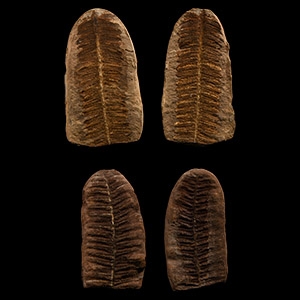
Natural History - Fossil Seed Fern Pair
Middle Pennsylvanian Period, circa 300 million years B.P.Sold for (Inc. bp): £46
Comprising two pairs of Pecopteris sp. 131 grams total, 54-65 mm
From the Mazon Creek Fossil Beds, Braidwood, Illinois, USA. Collected 1930-1960. From the collection of the palaeontologist R Gledhill. -
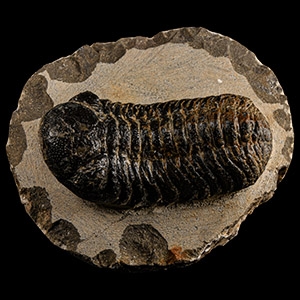
Natural History - Fossil Megalomanicus Trilobite
Upper Devonian Period, circa 385-359 million years B.P.Sold for (Inc. bp): £33
Drotops megalomanicus trilobite on a matrix. 200 grams, 73 mm
From the Atlas Mountains, Hamar Laghdad Formation, Pragian, (Alnif), Morocco. From an old Oxfordshire, UK, fossil and mineral collection.
