
Loading, please wait...
LOT 1881
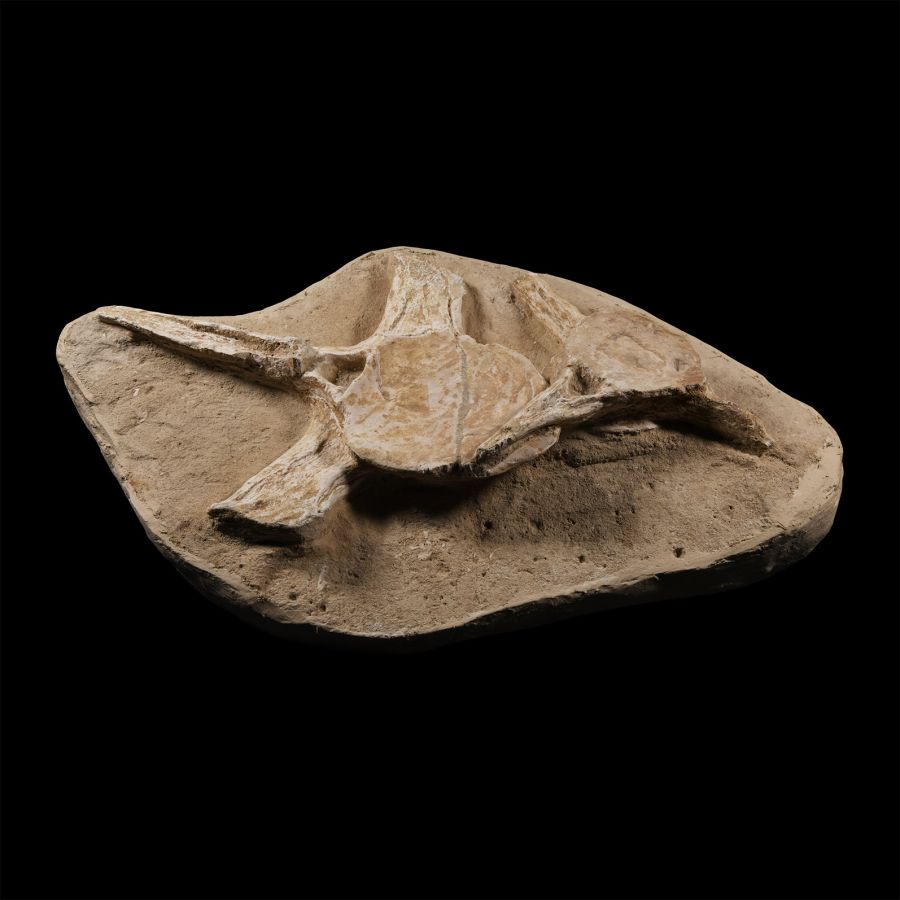
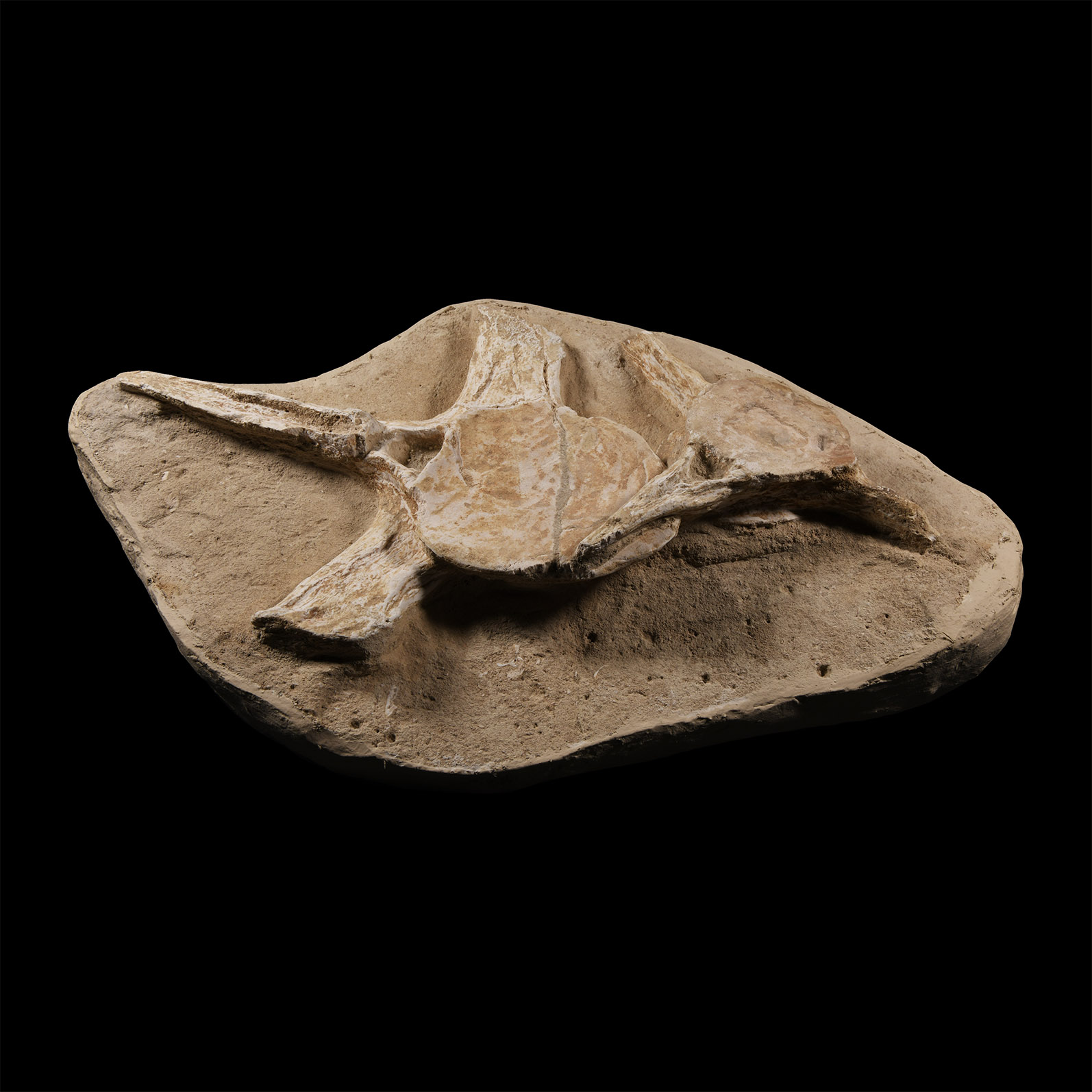
Natural History - Fossil Plesiosaur Vertebrae
JURASSIC-CRETACEOUS PERIOD, 199-65 MILLION YEARS B.P.
14 1/8 in. (4.8 kg, 36 cm).
A pair of Plesiosaur sp. fossil marine dinosaur vertebrae in a matrix; contained within a plaster field jacket. [No Reserve]
ProvenanceEx Cambridgeshire, UK, collection.
LiteratureSee O’Keefe, F.R., The evolution of plesiosaur and pliosaur morphotypes in the Plesiosauria (Reptilia: Sauropterygia), 2002, Paleobiology, 28: 101-112.
FootnotesPlesiosaurs were among the first fossil animals to reach the general public's consciousness through the publication of two imaginatively illustrated books by Thomas Hawkins, a noted collector of fossils: Memoirs of Ichthyosauri and Plesiosauri (1834) and The Book of the Great Sea-Dragons (1840). Using the historical models of his times, Hawkins regarded plesiosaurs as monstrous creations of Satan.
CONDITIONTimeLine Auctions follows a vetting process to ensure the authenticity and legality of all items, reinforcing our commitment to integrity and responsible trading. Each antiquity, antique, and coin lot undergoes thorough examination by a vetting committee of at least ten external specialists, professional trade association members, scientists, and archaeologists: Our Vetting Process
AUCTIONS:
TimeLine is a leading auction house specialising in antiquities, ancient art, collectables, natural history, coins, medals, and books. Our auctions offer museums, collectors, historians, and enthusiasts the opportunity to acquire unique and historically significant pieces.
-
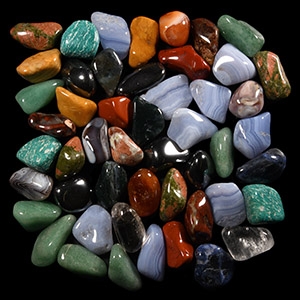
Natural History - Polished Mineral Specimen Group
Sold for (Inc. bp): £52
A mixed group of 50 polished mineral specimens of various types, including haematite, quartz, red jasper, unakite, angelite, and others. 1.19 kg total, 27-44 mm
Mineral Imports, London, UK. Gregory, Bottley & Lloyd (Gregory's). -
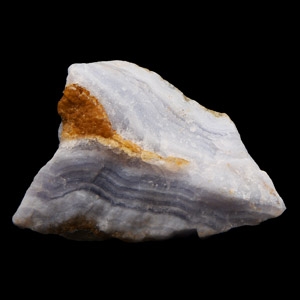
Natural History - Chalcedony Mineral Specimen
Sold for (Inc. bp): £5
A blue chalcedony mineral specimen showing 'veined' layers. 148 grams, 74 mm
From Ysterputs Mine, Noordoewer / Reg, Karas, Namibia. Private collection, Munster, Germany. -
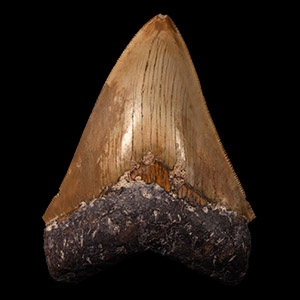
Natural History - Large Megalodon Giant Shark's Fossil Tooth
Miocene-Pliocene Period, 23-3.5 million years B.P.Sold for (Inc. bp): £286
A large Carcharocles megalodon shark tooth with good serration and remains of enamel. 100 grams, 10 cm
Property of a Sussex, UK, teacher.
