
Loading, please wait...
LOT 2412
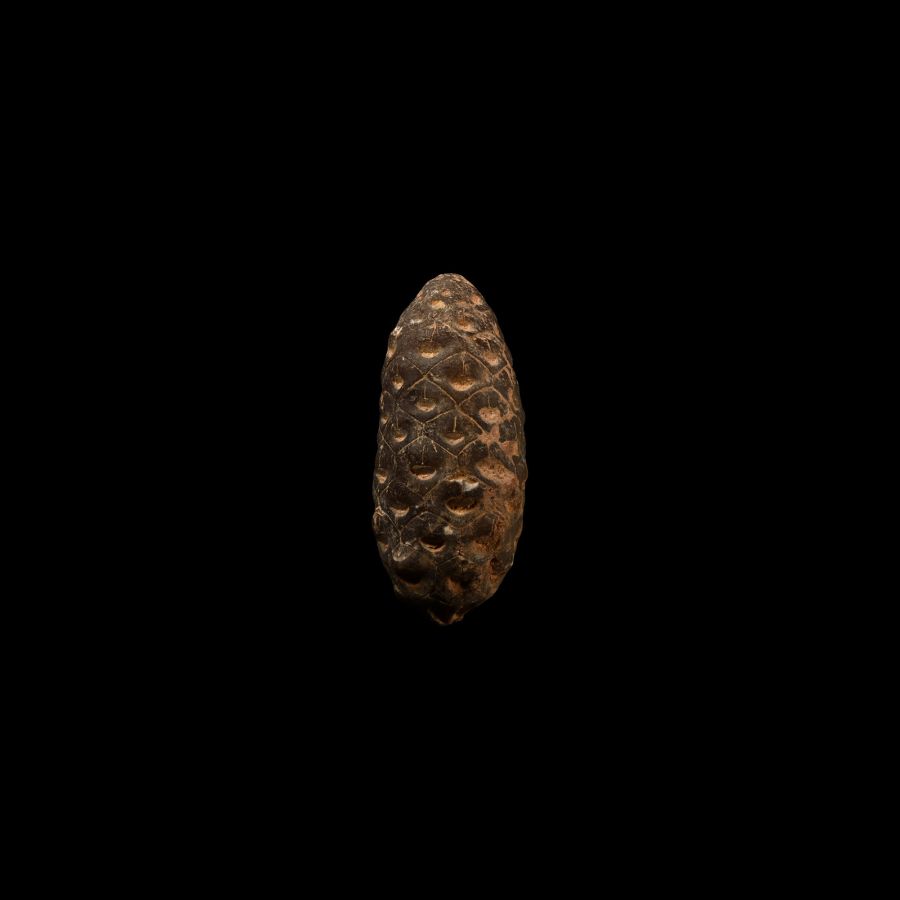
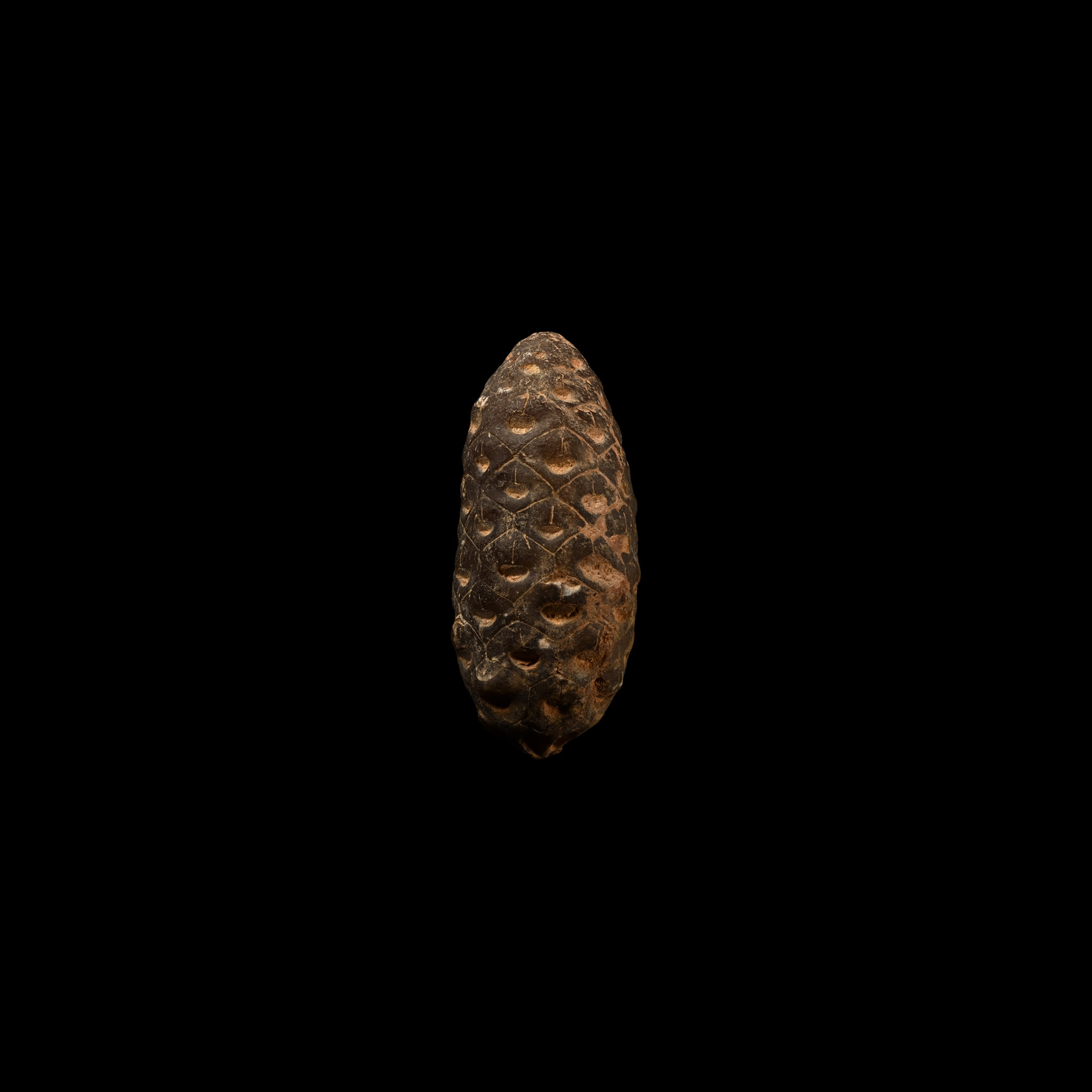
Natural History - Fossil Pine Cone
EOCENE PERIOD, CIRCA 55-33 MILLION YEARS B.P.
1 5/8 in. (13.7 grams, 40 mm).
An agatized Dicotaledon fruit specimen. [No Reserve]
ProvenanceFrom the Western Sahara Desert, Morocco.
Acquired 1950s-1960s.
From an old Bristol, UK, palaeontological collection.
TimeLine Auctions follows a vetting process to ensure the authenticity and legality of all items, reinforcing our commitment to integrity and responsible trading. Each antiquity, antique, and coin lot undergoes thorough examination by a vetting committee of at least ten external specialists, professional trade association members, scientists, and archaeologists: Our Vetting Process
AUCTIONS:
TimeLine is a leading auction house specialising in antiquities, ancient art, collectables, natural history, coins, medals, and books. Our auctions offer museums, collectors, historians, and enthusiasts the opportunity to acquire unique and historically significant pieces.
-
Natural History - British Fossil Aspidoceras Ammonite Display with Incredible Spines
Jurassic Period, circa 200 million years B.P.Estimate: £3,000 - 4,000 (+bp*)
Opening Bid: £833
Comprising an excessively large and rare specimen of Aspidoceras Logispinum, displaying superb lateral spines or tubercles; developed from the grey lias matrix. 5.5 kg, 27 cm
From North Yorkshire, UK. -
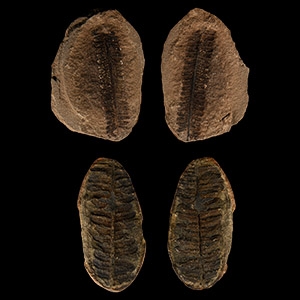
Natural History - Fossil Seed Fern Pair
Middle Pennsylvanian Period, circa 300 million years B.P.Sold for (Inc. bp): £26
Comprising two pairs of Pecopteris sp. 118 grams total, 58-60 mm
From the Mazon Creek Fossil Beds, Braidwood, Illinois, USA. Collected 1930-1960. From the collection of the palaeontologist R Gledhill. -
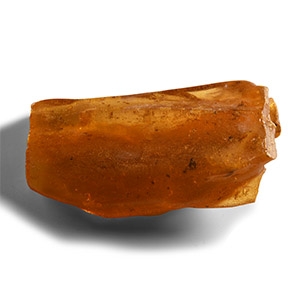
Natural History - Polished Copal with Insects
Over 3 million years B.P.Sold for (Inc. bp): £26
Containing several insects and other inclusions. 61 grams, 10 cm
From Madagascar. Acquired 1950s-1960s. From an old Bristol, UK, palaeontological collection.
