
Loading, please wait...
LOT 2479
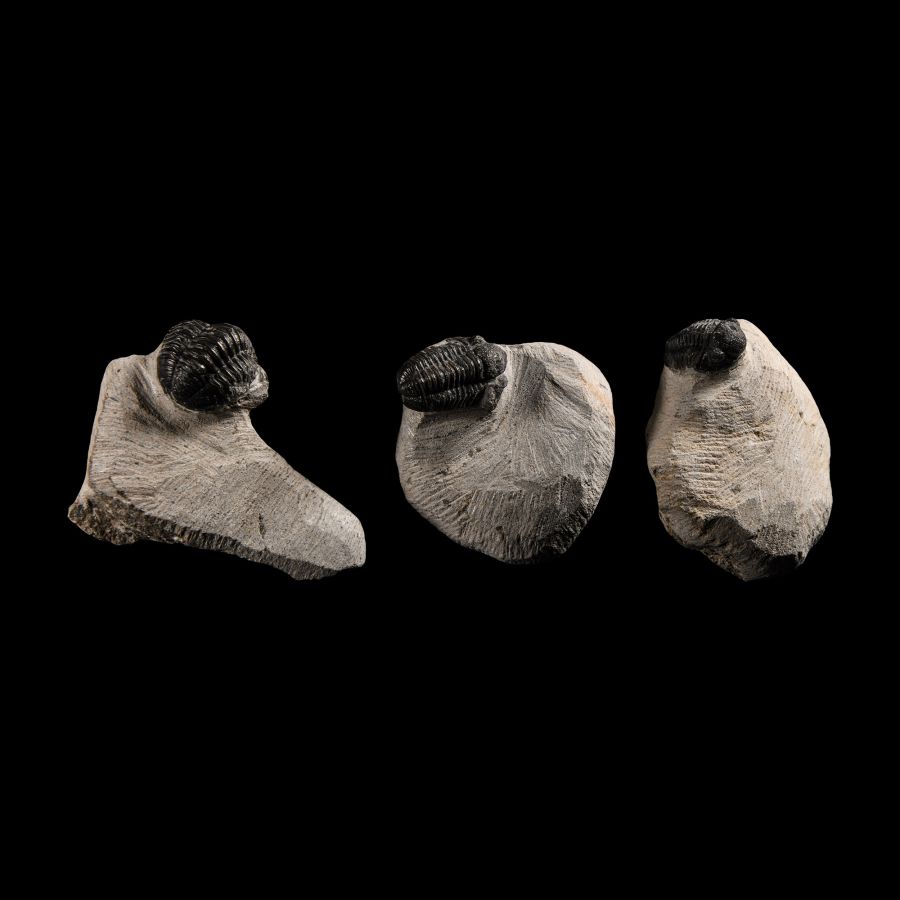
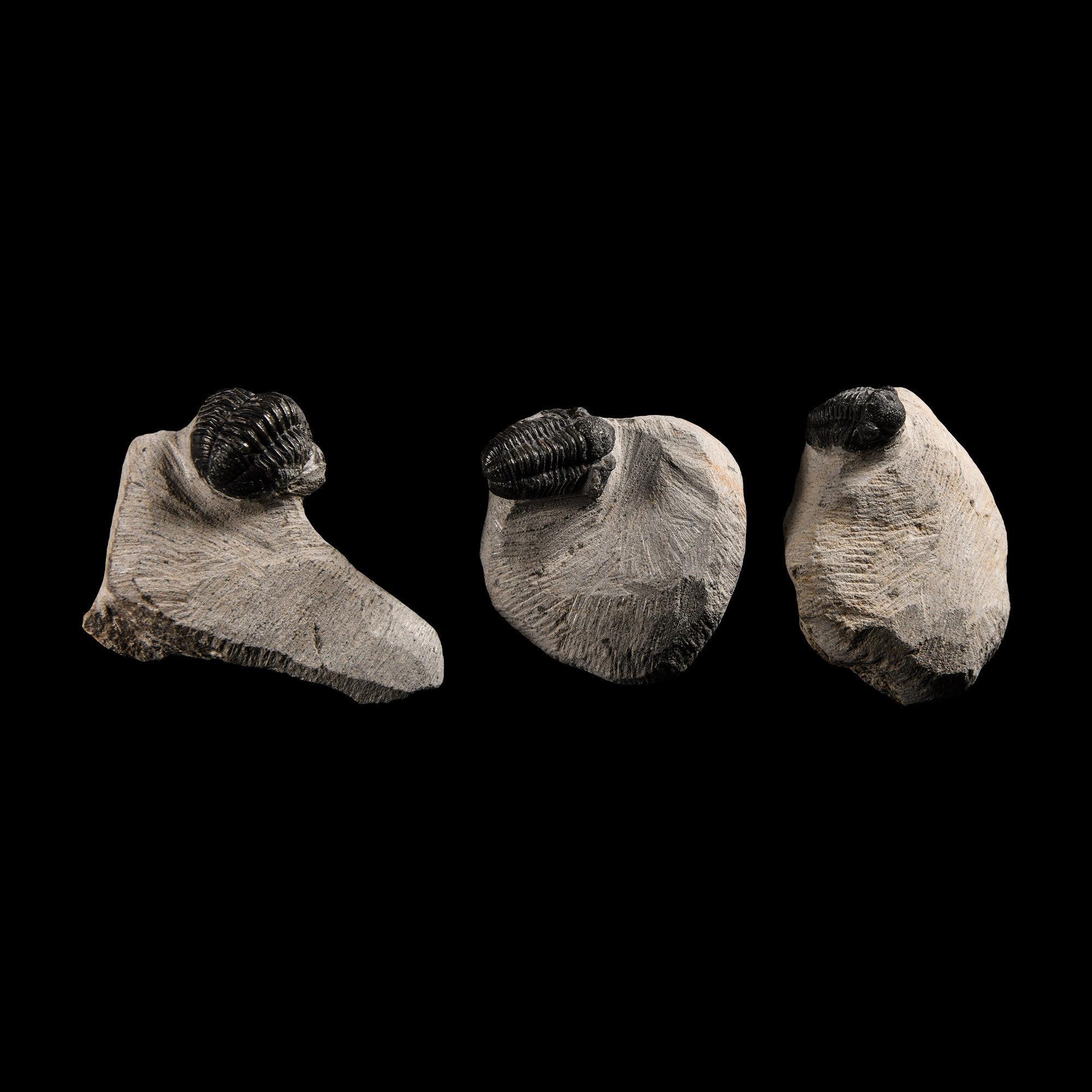
Natural History - Fossil Morocops Trilobite Group
UPPER DEVONIAN PERIOD, CIRCA 385-359 MILLION YEARS B.P.
1 5/8 - 2 1/8 in. (146 grams total, 42-53 mm).
Comprising three Morocops (Barrandeops) sp. on individual matrices. [3, No Reserve]
ProvenanceFrom Hamar Laghdad Formation, Pragian, (Alnif), Morocco.
From an old Oxford paleontological collection.
TimeLine Auctions follows a vetting process to ensure the authenticity and legality of all items, reinforcing our commitment to integrity and responsible trading. Each antiquity, antique, and coin lot undergoes thorough examination by a vetting committee of at least ten external specialists, professional trade association members, scientists, and archaeologists: Our Vetting Process
AUCTIONS:
TimeLine is a leading auction house specialising in antiquities, ancient art, collectables, natural history, coins, medals, and books. Our auctions offer museums, collectors, historians, and enthusiasts the opportunity to acquire unique and historically significant pieces.
-
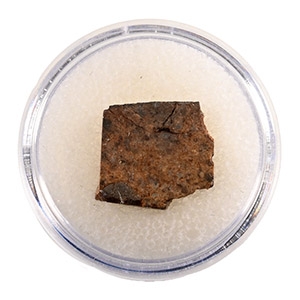
Natural History - NWA 073 L6 Chondrite Meteorite Slice in Case
Fell 2000 A.D.Sold for (Inc. bp): £65
A cut slice of NWA 073 L6, held in a perspex collector's case. 5.03 grams total, 32 mm wide including case
From the Sahara Desert, Morocco, North Africa. Property of a Sussex, UK, teacher. -
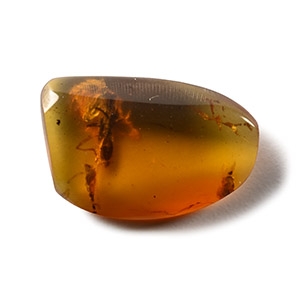
Natural History - Amber with Insect Inclusions
Oligocene Period, circa 45 million years B.P.Sold for (Inc. bp): £33
A specimen of polished amber with insect inclusion. 0.75 grams, 20 mm
Ex private UK collection formed in the 1980s. Property of an East Sussex, UK, teacher. -
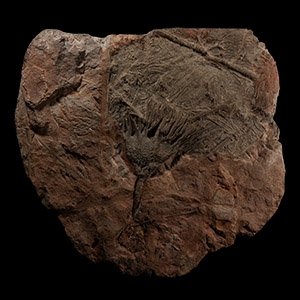
Natural History - Large Crinoid Fossil Display Plate
Silurian Period, 443-416 million years B.P.Sold for (Inc. bp): £143
Presenting a large Scyphocrinus elegans crinoid, in an amorphous sheet matrix. 5.6 kg, 35 cm
From Morocco, North Africa.
