
Loading, please wait...
LOT 2465
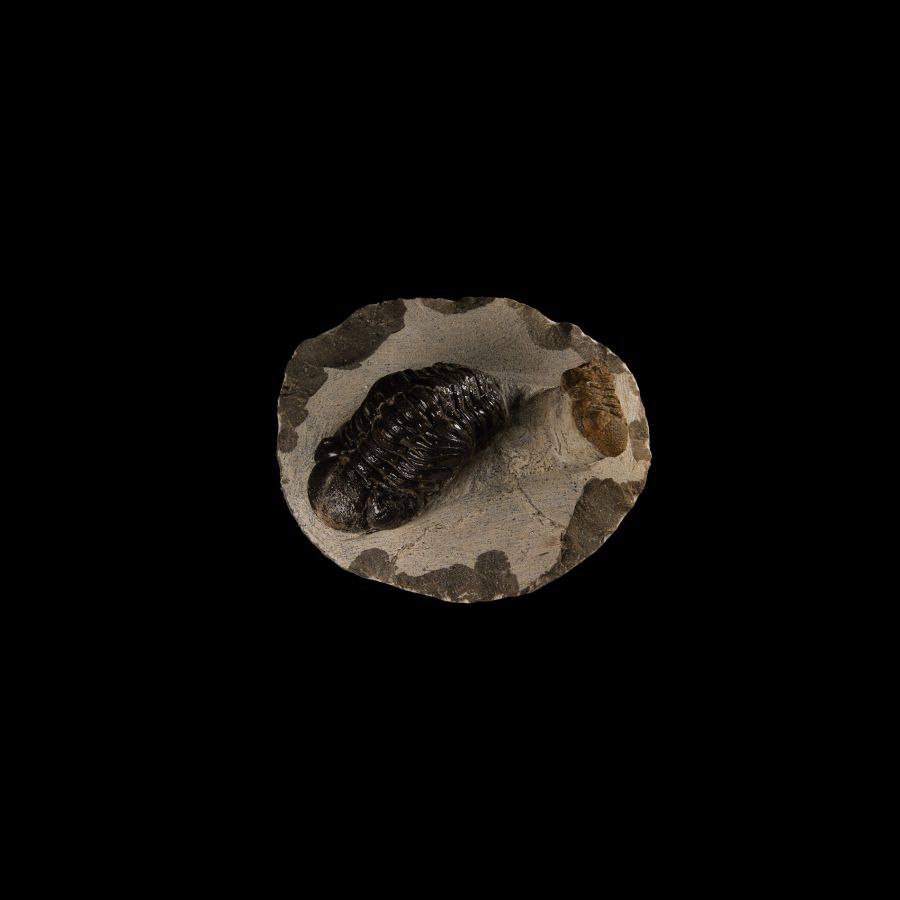
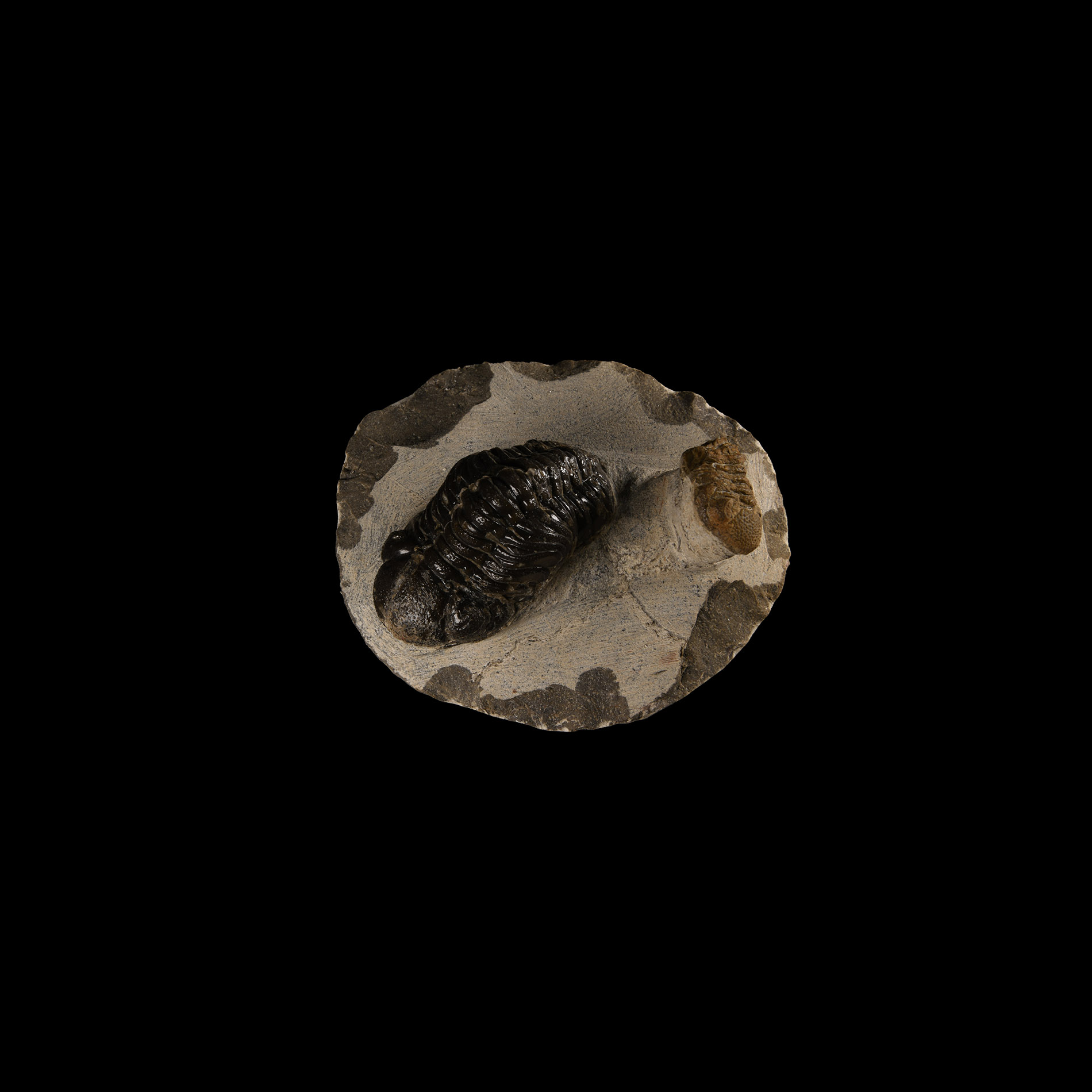
Natural History - Fossil Megalomanicus Trilobites
UPPER DEVONIAN PERIOD, CIRCA 385-359 MILLION YEARS B.P.
3 1/4 in. (300 grams, 83 mm).
Comprising two Drotops megalomanicus trilobites on a matrix. [No Reserve]
ProvenanceFrom the Atlas Mountains, Hamar Laghdad Formation, Pragian, (Alnif), Morocco.
From an old Oxfordshire, UK, fossil and mineral collection.
TimeLine Auctions follows a vetting process to ensure the authenticity and legality of all items, reinforcing our commitment to integrity and responsible trading. Each antiquity, antique, and coin lot undergoes thorough examination by a vetting committee of at least ten external specialists, professional trade association members, scientists, and archaeologists: Our Vetting Process
AUCTIONS:
TimeLine is a leading auction house specialising in antiquities, ancient art, collectables, natural history, coins, medals, and books. Our auctions offer museums, collectors, historians, and enthusiasts the opportunity to acquire unique and historically significant pieces.
-
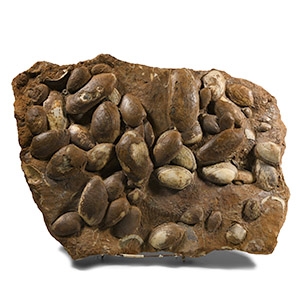
Natural History - Very Large British Cardinia Fossil Bivalve Multi Display
Jurassic Period, circa 201-202 million years B.P.Estimate: £800 - 1,000 (+bp*)
Opening Bid: £133
A plate of natural, unpolished Cardinia sp. fossil bivalves from the Frodingham formation; accompanied by a display stand. 17.7 kg total, 50 cm
From the exhausted Coningsby Quarry, Scunthorpe, Lincolnshire, UK. -
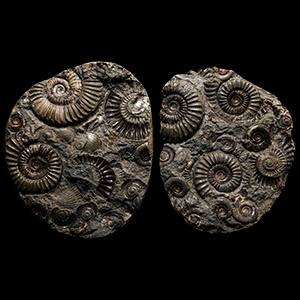
Natural History - British Arnioceras Fossil Ammonite 'Hidden Gem' Pair
Jurassic Period, circa 200-190 million years B.P.Sold for (Inc. bp): £260
Both sections of a large pebble, displaying multiple Arnioceras semicostatum specimens to the interior faces. 1 kg total, 12 cm each
From the Holderness Coast, Yorkshire, UK. -
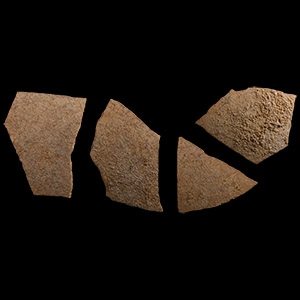
Natural History - Giant Elephant Bird Eggshell Group
Pleistocene Period, 2.6 million-11,700 years B.P.Sold for (Inc. bp): £26
Comprising four eggshell sections from Aepyornis. 45 grams total, 41-62 mm
From Madagascar. Acquired 1950s-1960s. From an old Bristol, UK, palaeontological collection.
