
Loading, please wait...
LOT 2180
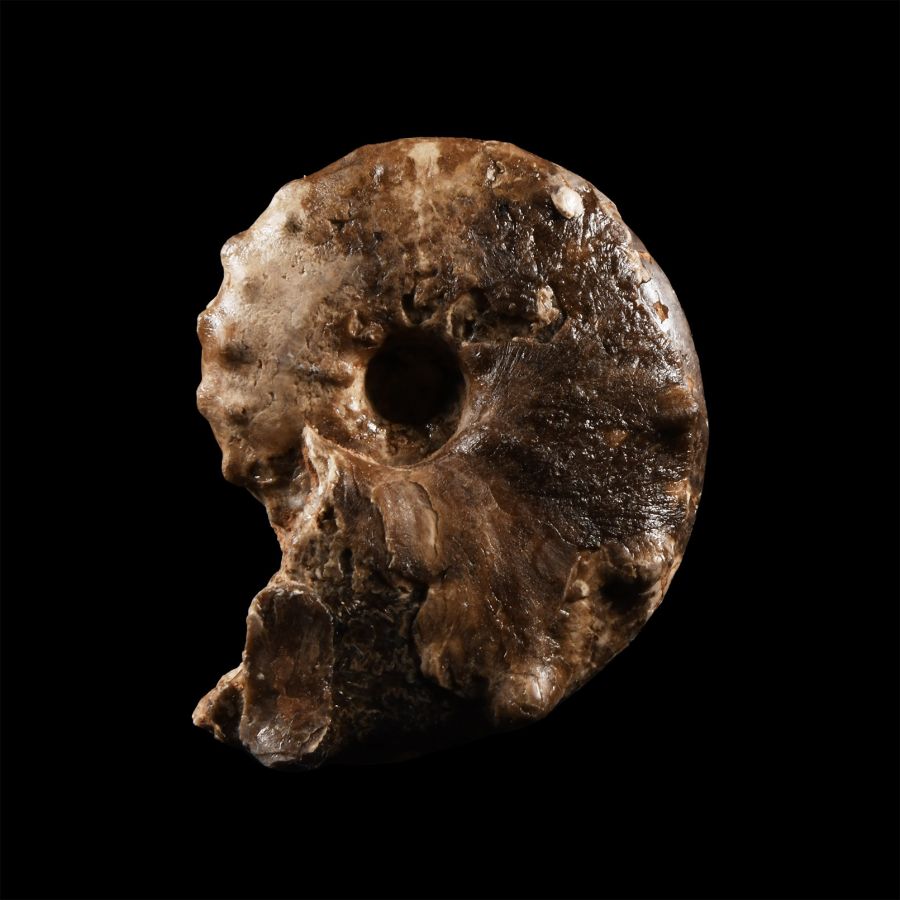
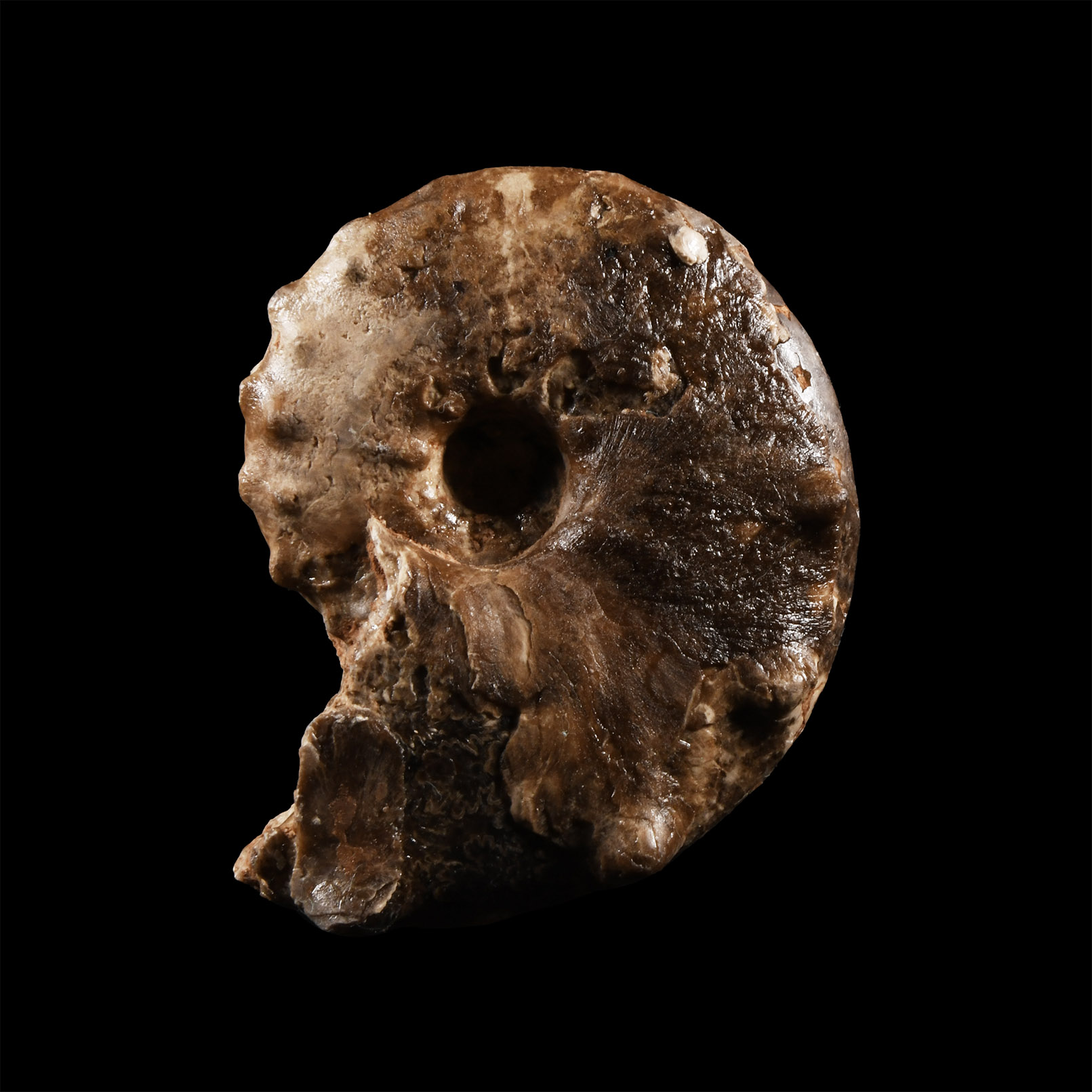
Natural History - Fossil Mamite Ammonite
CRETACEOUS PERIOD, CIRCA 90 MILLION YEARS B.P.
3 5/8 in. (369 grams, 92 mm).
The horned ammonite with regularly disposed spines to the outer shell. [No Reserve]
ProvenanceFrom a Lincolnshire, UK, collection.
CONDITIONTimeLine Auctions follows a vetting process to ensure the authenticity and legality of all items, reinforcing our commitment to integrity and responsible trading. Each antiquity, antique, and coin lot undergoes thorough examination by a vetting committee of at least ten external specialists, professional trade association members, scientists, and archaeologists: Our Vetting Process
AUCTIONS:
TimeLine is a leading auction house specialising in antiquities, ancient art, collectables, natural history, coins, medals, and books. Our auctions offer museums, collectors, historians, and enthusiasts the opportunity to acquire unique and historically significant pieces.
-
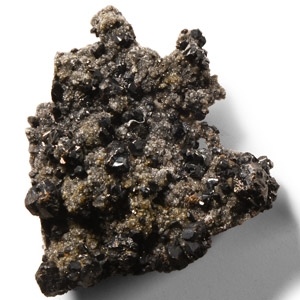
Natural History - Historic Azurite Crystal Specimen
Sold for (Inc. bp): £13
The dark prismatic crystals on a matrix. 48 grams, 60 mm
Collected in person from various parts of the world mainly between 1957-1966. From the private mineral collection of Stephen Atkinson, Harpenden, UK. Accompanied by a copy of a letter from the vendor giving details of him collecting these minerals throughout his life. -
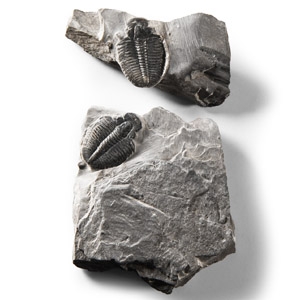
Natural History - Fossil Elrathia Kingii Trilobite Group
Cambrian Period, circa 541-485 million years B.P.Sold for (Inc. bp): £26
Both specimens on irregular matrices. 99 grams total, 61-70 mm
From Utah, U.S.A. From a Lincolnshire, UK, collection.
Elrathia were small trilobites, usually about an inch in length. -
![Natural History - Medium Polished Malachite Specimen Collection [10]](https://timelineauctions.com/upload/images/items/small/208019-s.jpg)
Natural History - Medium Polished Malachite Specimen Collection [10]
Sold for (Inc. bp): £26
Comprising irregular sections with one polished face, including single and one treble stalactite sections. 393 grams total, 40-70 mm
From Democratic Republic of the Congo. Ex Mineral Imports, London, UK. Gregory, Bottley & Lloyd (Gregory's).
