
Loading, please wait...
LOT 1964
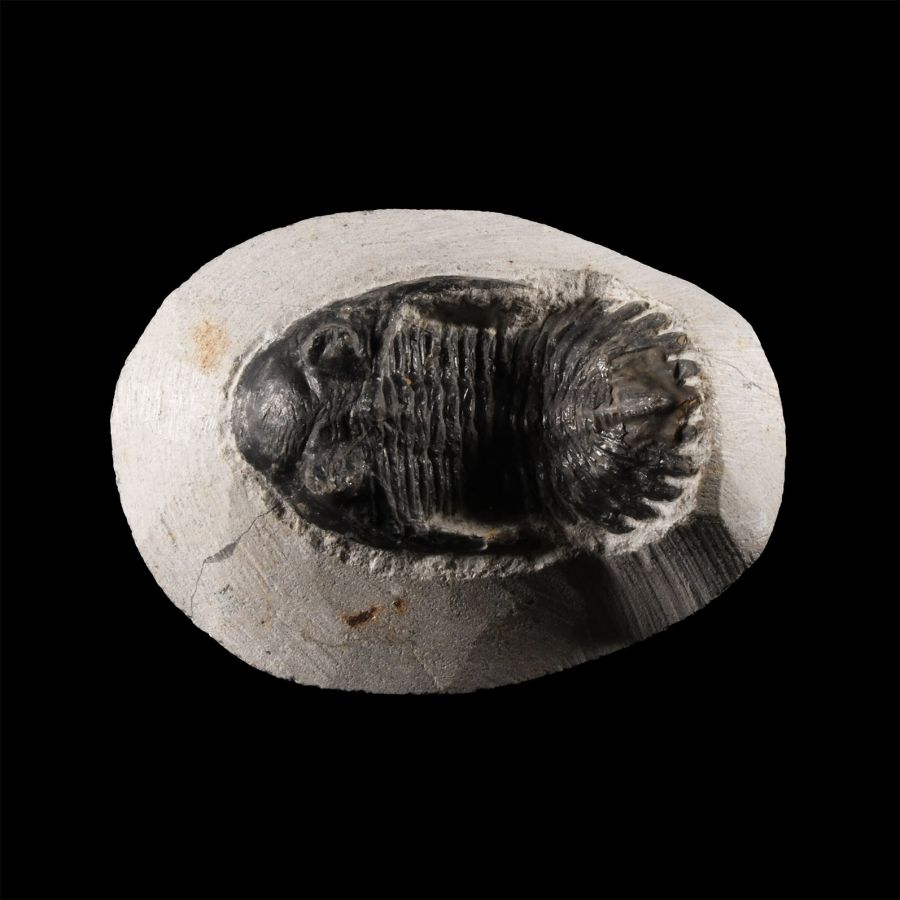
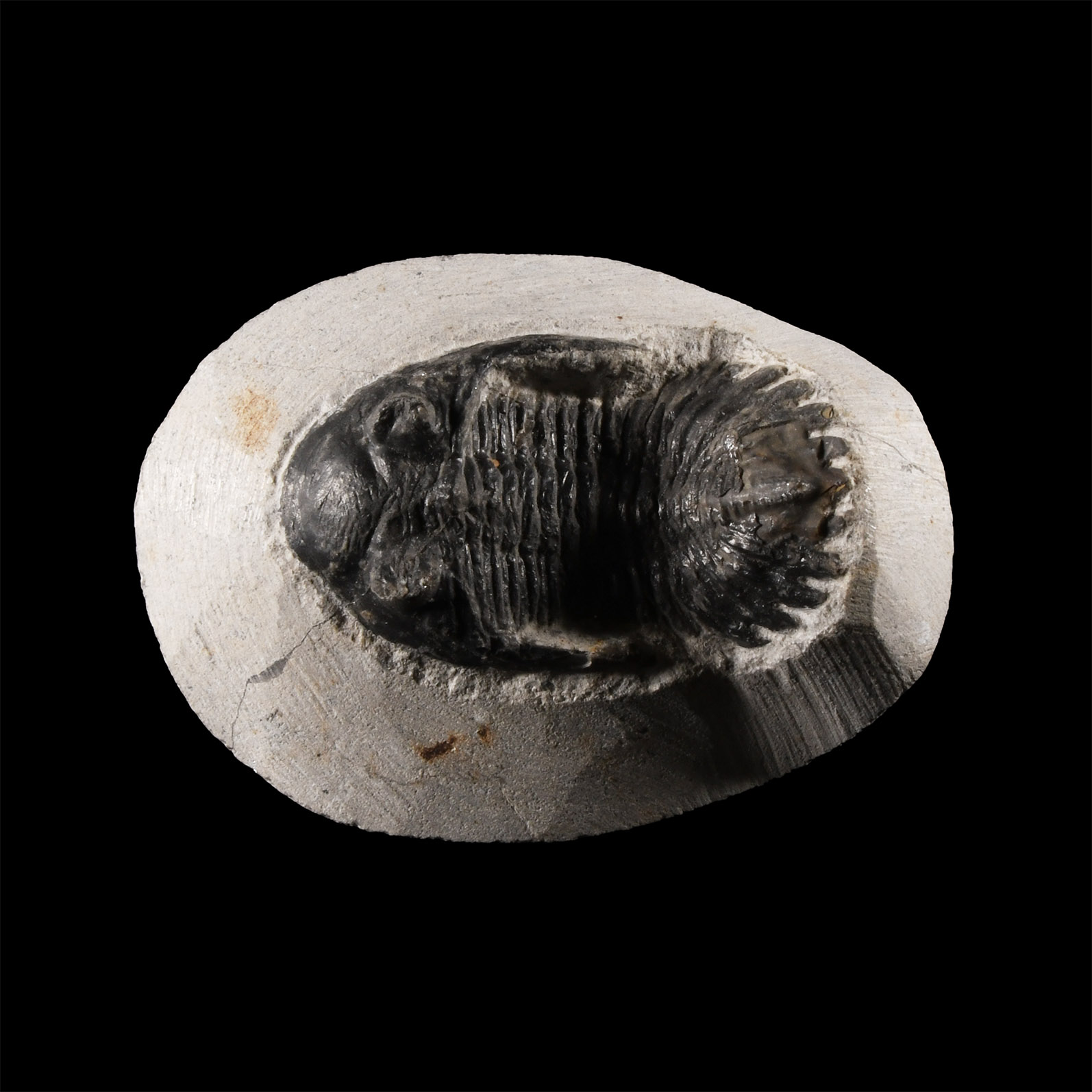
Natural History - Fossil Hollardops Trilobite
DEVONIAN PERIOD, CIRCA 417-354 MILLION YEARS B.P.
3 1/8 in. (165 grams, 80 mm).
Hollardops mesacristata on a matrix. [No Reserve]
ProvenanceFrom Morocco, North Africa.
From a Lincolnshire, UK, collection.
TimeLine Auctions follows a vetting process to ensure the authenticity and legality of all items, reinforcing our commitment to integrity and responsible trading. Each antiquity, antique, and coin lot undergoes thorough examination by a vetting committee of at least ten external specialists, professional trade association members, scientists, and archaeologists: Our Vetting Process
AUCTIONS:
TimeLine is a leading auction house specialising in antiquities, ancient art, collectables, natural history, coins, medals, and books. Our auctions offer museums, collectors, historians, and enthusiasts the opportunity to acquire unique and historically significant pieces.
-
Natural History - Fossil Starfish
Jurassic Period, circa 199-145 million years B.P.Sold for (Inc. bp): £13
Possibly Sinosura kelheimense on a squared matrix. 142 grams, 86 mm
From Stonhoffen, Germany. From a Lincolnshire, UK, collection. -
![Natural History - Mixed Cut and Polished Agate Crystal Geode Half Group [10]](https://timelineauctions.com/upload/images/items/small/208006-s.jpg)
Natural History - Mixed Cut and Polished Agate Crystal Geode Half Group [10]
Sold for (Inc. bp): £20
Each displaying banding in various colours and crystal filled cavities. 957 grams total, 55-75 mm
From Brazil. Ex Mineral Imports, London, UK. Gregory, Bottley & Lloyd (Gregory's). -
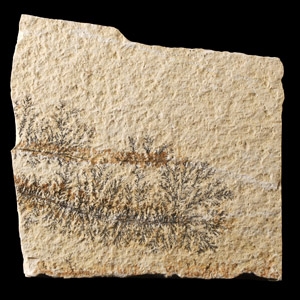
Natural History - Pyrolosite Dendrites on Matrix
Sold for (Inc. bp): £13
The dendritic aggregates in typical tree-form on a rectangular matrix. 299 grams, 80 mm
From Germany. From a Norfolk, UK, collection.
