
Loading, please wait...
LOT 2475
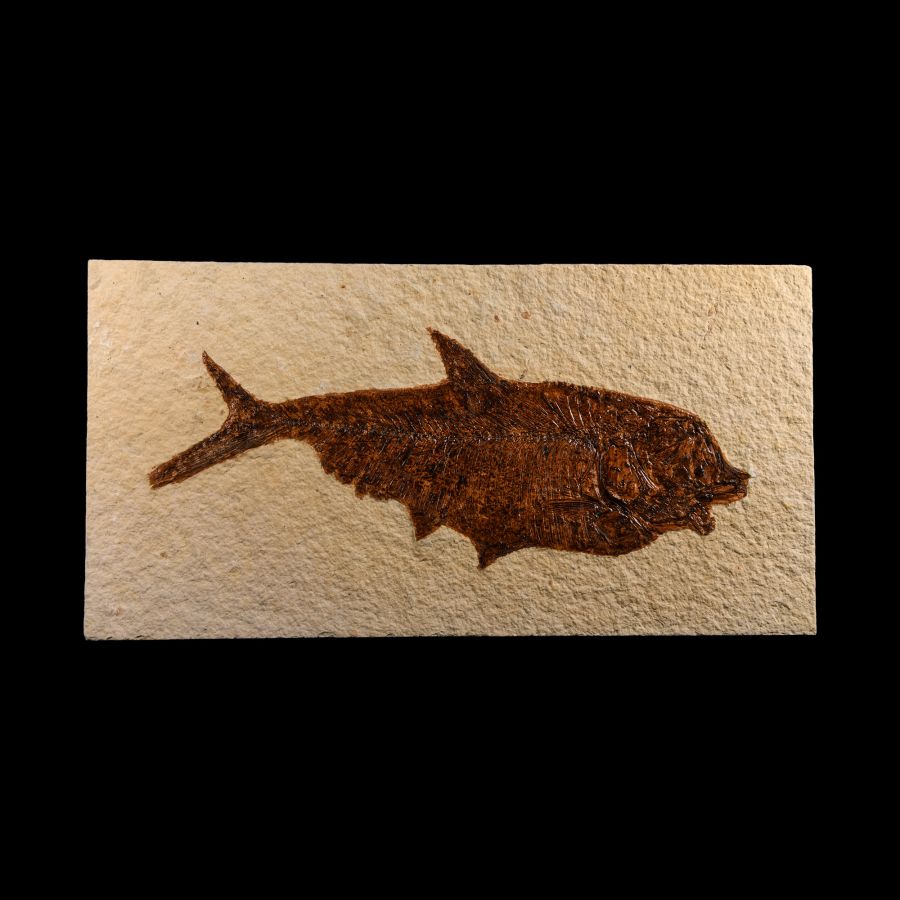
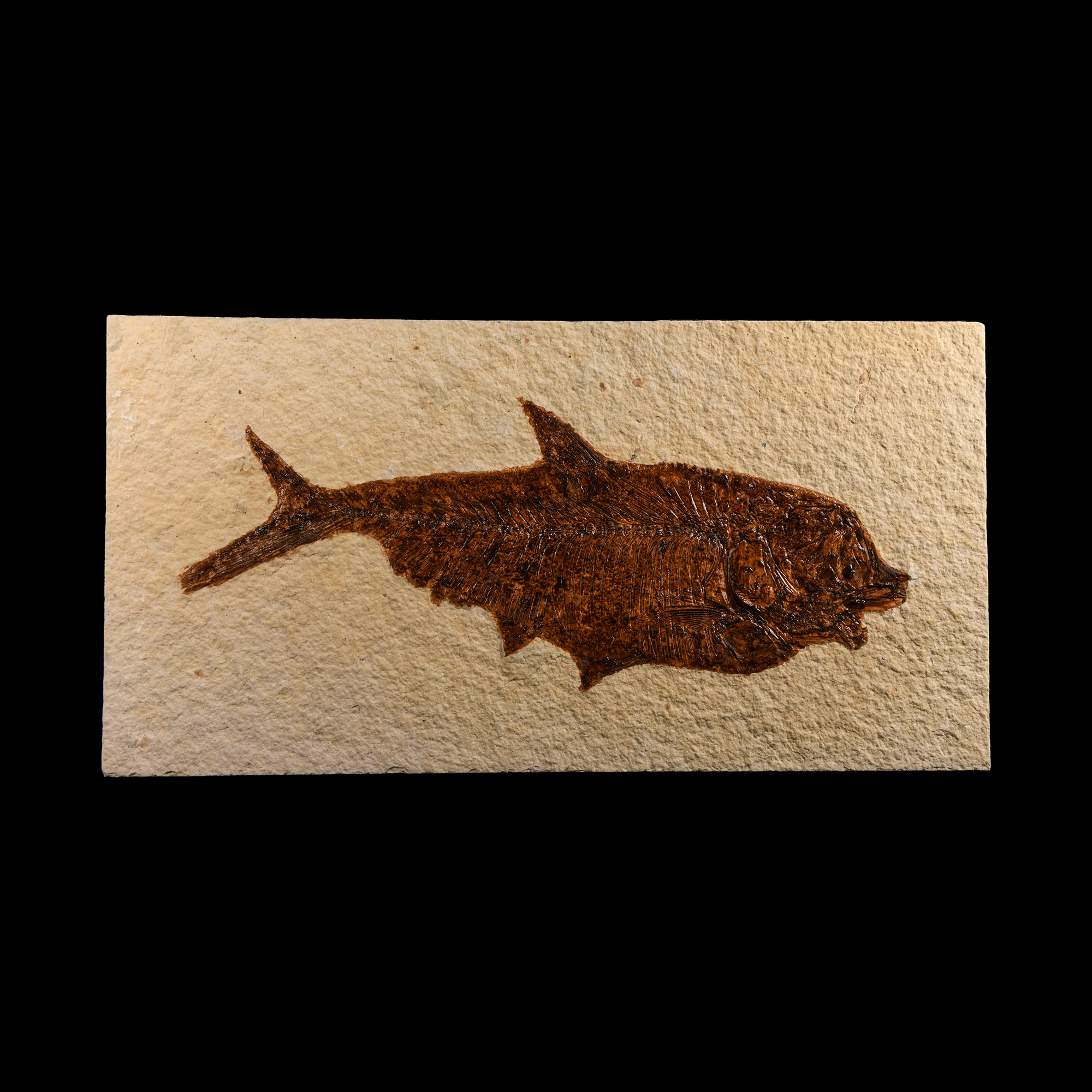
Natural History - Fossil Diplomystus Fish
EOCENE PERIOD, CIRCA 58 MILLION YEARS B.P.
8 1/8 in. (439 grams, 20.7 cm).
A Diplomystus sp. fossil fish on a rectangular matrix. [No Reserve]
ProvenanceFrom Wyoming (Green River Formation), USA.
From an old Bristol, UK, collection.
Seasonally some 58 million years ago, in the Green River region of Wyoming, torrential rains fell in the mountains. They flowed down the mountain sides, forming wide shallow lakes in the valley below. During the dry season, these lakes would dry up due to evaporation (as happens in certain parts of Africa today). Millions of fish died in this short period of time. This climatic cycle happened over a 20-thousand-year period. Layer upon layer of mud entombed all these fish. At a much later date, volcanic activity uplifted this area to expose the fossils.
CONDITIONTimeLine Auctions follows a vetting process to ensure the authenticity and legality of all items, reinforcing our commitment to integrity and responsible trading. Each antiquity, antique, and coin lot undergoes thorough examination by a vetting committee of at least ten external specialists, professional trade association members, scientists, and archaeologists: Our Vetting Process
AUCTIONS:
TimeLine is a leading auction house specialising in antiquities, ancient art, collectables, natural history, coins, medals, and books. Our auctions offer museums, collectors, historians, and enthusiasts the opportunity to acquire unique and historically significant pieces.
-
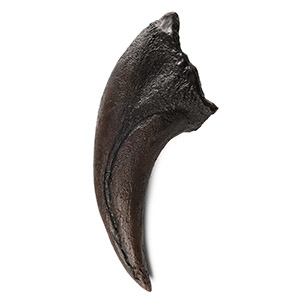
Natural History - Tyrannosaurus Rex Dinosaur Foot Claw Replica
Sold for (Inc. bp): £286
Comprising a life-size reproduction of a foot claw. 312 grams, 20 cm
Property of a Lincolnshire, UK, gentleman. -
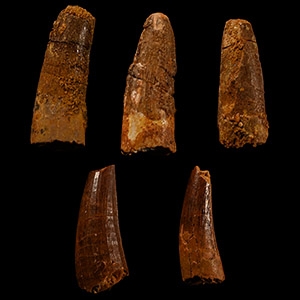
Natural History - Spinosaurus Dinosaur Fossil Tooth Group
Cretaceous Period, circa 125-113 million years B.P.Sold for (Inc. bp): £78
Comprising five Spinosaurs maroccanus teeth; three repaired. 13 grams total, 23-29 mm
From the Tegana Formation, Taouz, Morocco. From an old German paleontological collection.
The Spinosaurus was both a beachcomber type scavenger and an active hunter taking small stranded Plesiosaurs, Pterosaurs, Turtles and large fish. -
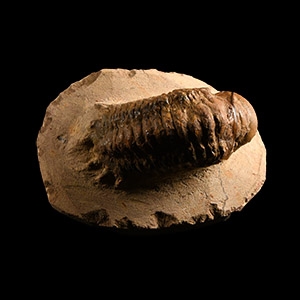
Natural History - Fossil Gibba Trilobite
Upper Devonian Period, circa 385-359 million years B.P.Sold for (Inc. bp): £20
Crotalocephalina gibba trilobite on a matrix. 148 grams, 67 mm
From the Atlas Mountains, Hamar Laghdad Formation, Pragian, (Alnif), Morocco. From an old Oxfordshire, UK, fossil and mineral collection.
