
Loading, please wait...
LOT 2507
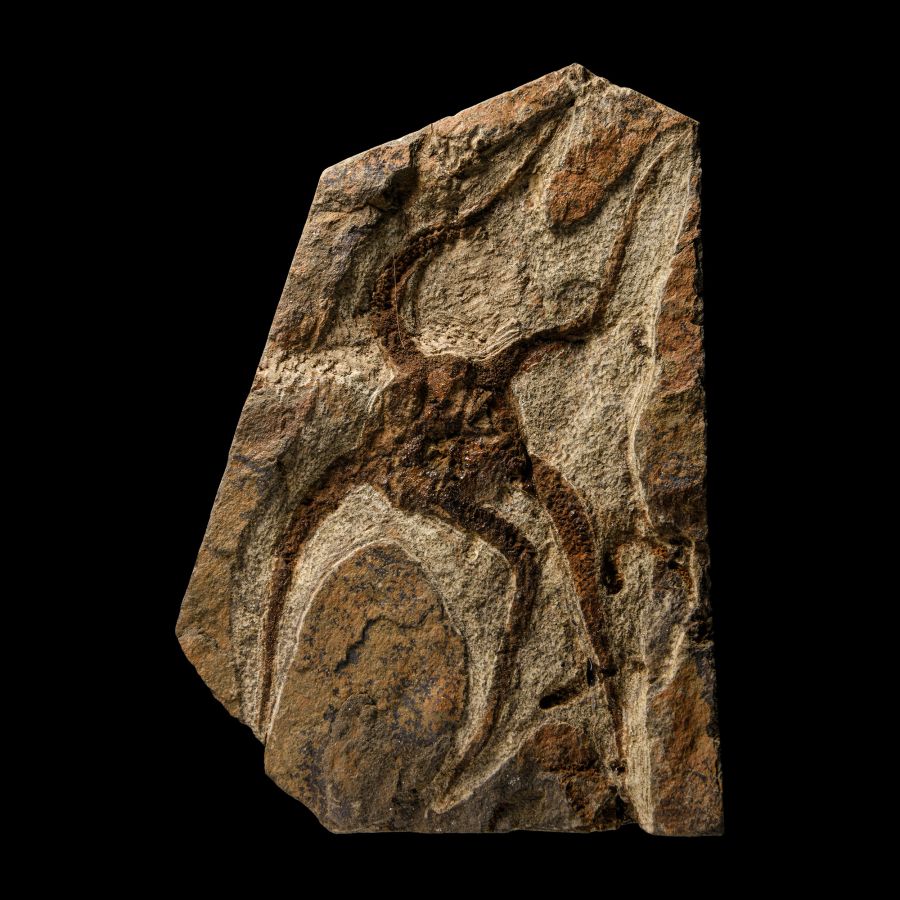
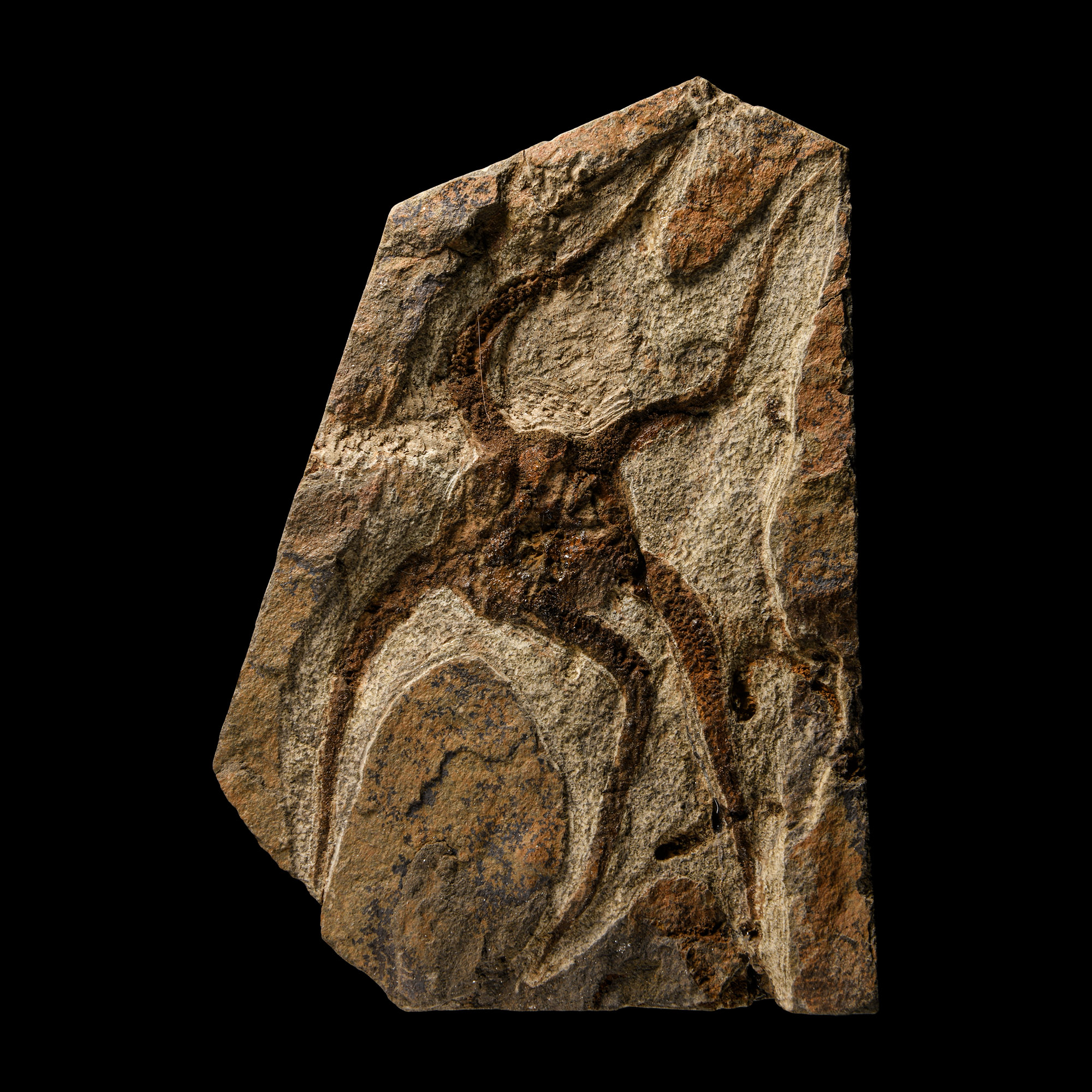
Natural History - Fossil Brittlestar
MIDDLE ORDOVICIAN PERIOD, CIRCA 450 MILLION YEARS B.P.
5 3/4 in. (507 grams, 14.5 cm).
A single Ophiuroidea sp. on an irregular matrix. [No Reserve]
ProvenanceFrom El Kaid, Morocco.
Acquired 1950s-1960s.
From an old Bristol, UK, palaeontological collection.
TimeLine Auctions follows a vetting process to ensure the authenticity and legality of all items, reinforcing our commitment to integrity and responsible trading. Each antiquity, antique, and coin lot undergoes thorough examination by a vetting committee of at least ten external specialists, professional trade association members, scientists, and archaeologists: Our Vetting Process
AUCTIONS:
TimeLine is a leading auction house specialising in antiquities, ancient art, collectables, natural history, coins, medals, and books. Our auctions offer museums, collectors, historians, and enthusiasts the opportunity to acquire unique and historically significant pieces.
-
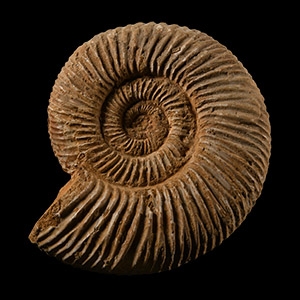
Natural History - Fossil Perisphinctes Ammonite
Jurassic Period, circa 199-145 million years B.P.Sold for (Inc. bp): £33
Perisphinctids indogermanus with most of the original shell material remaining. 172 grams, 83 mm
From Madagascar. Ex Lincolnshire, UK, collection. -
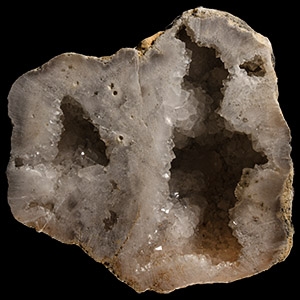
Natural History - Cut and Polished Quartz Crystal Geode Display
Sold for (Inc. bp): £23
The geode section with clusters of milky-white quartz crystals. 894 grams, 13 cm
From a Leicestershire, UK, collection. -
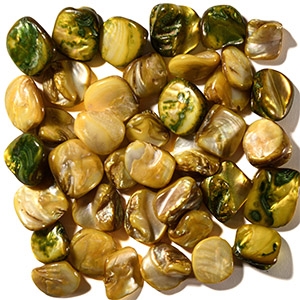
Natural History - Polished Shell Necklace Bead Group
20th century A.D.Sold for (Inc. bp): £1
Comprising various shapes of polished shell segment beads; each pierced longitudinally for stringing. 75 grams total, 9-18 mm
UK gallery, early 2000s.
