
Loading, please wait...
LOT 2004
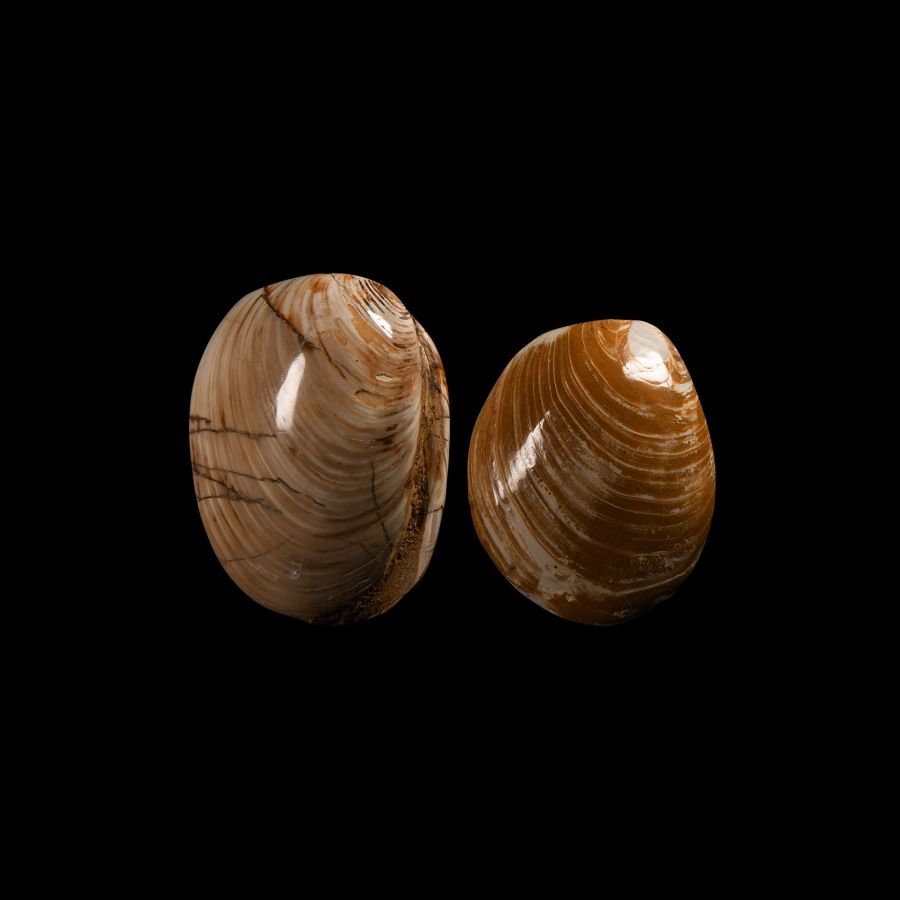
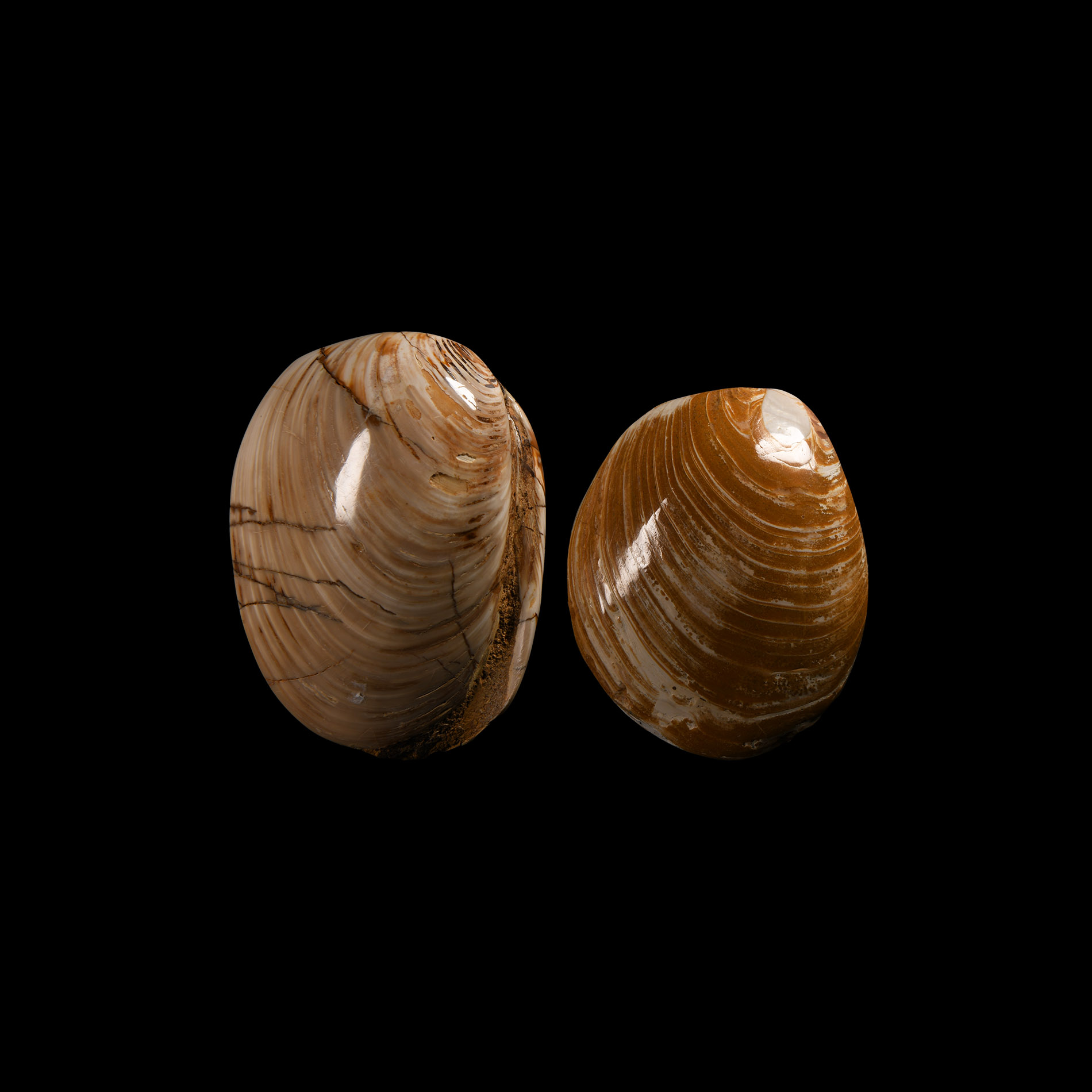
Natural History - Fossil Bivalve Group
JURASSIC PERIOD, CIRCA 150 MILLION YEARS B.P.
2 3/4 - 3 1/4 in. (434 grams total, 71-83 mm).
A pair of fossilised bivalves. [2, No Reserve]
ProvenanceFrom the Morondava River Basin, Atsimo-Andrefana region, Southwest Madagascar.
From an old Oxfordshire, UK, fossil and mineral collection.
TimeLine Auctions follows a vetting process to ensure the authenticity and legality of all items, reinforcing our commitment to integrity and responsible trading. Each antiquity, antique, and coin lot undergoes thorough examination by a vetting committee of at least ten external specialists, professional trade association members, scientists, and archaeologists: Our Vetting Process
AUCTIONS:
TimeLine is a leading auction house specialising in antiquities, ancient art, collectables, natural history, coins, medals, and books. Our auctions offer museums, collectors, historians, and enthusiasts the opportunity to acquire unique and historically significant pieces.
-
.jpg)
Natural History - Malachite Mineral Specimen
Sold for (Inc. bp): £7
A natural raw malachite crystal mineral specimen. 121 grams, 71 mm
Fine condition.
From Arizona, USA. Private Shropshire, UK collection. -
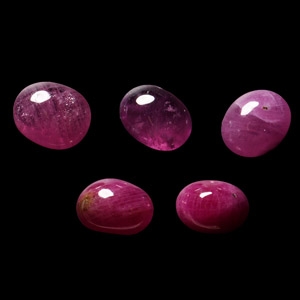
Natural History - 18.4 Carat Cabochon Ruby Group
Sold for (Inc. bp): £70
A group of five polished plano-convex rubies. 3.68 grams total, 9 mm each
Fine condition.
Ex UK art market, 1970s. Property of a London gentleman. -
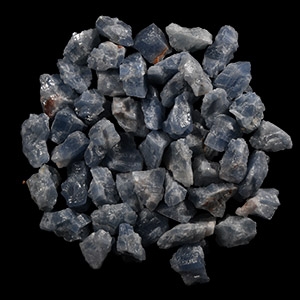
Natural History - Blue Calcite Mineral Specimens
Sold for (Inc. bp): £33
A group of 50 blue calcite mineral specimens with waxy lustre. 514 grams total, 25-43 mm
From Mexico. Mineral Imports, London, UK. Gregory, Bottley & Lloyd (Gregory's).
