
Loading, please wait...
LOT 2351
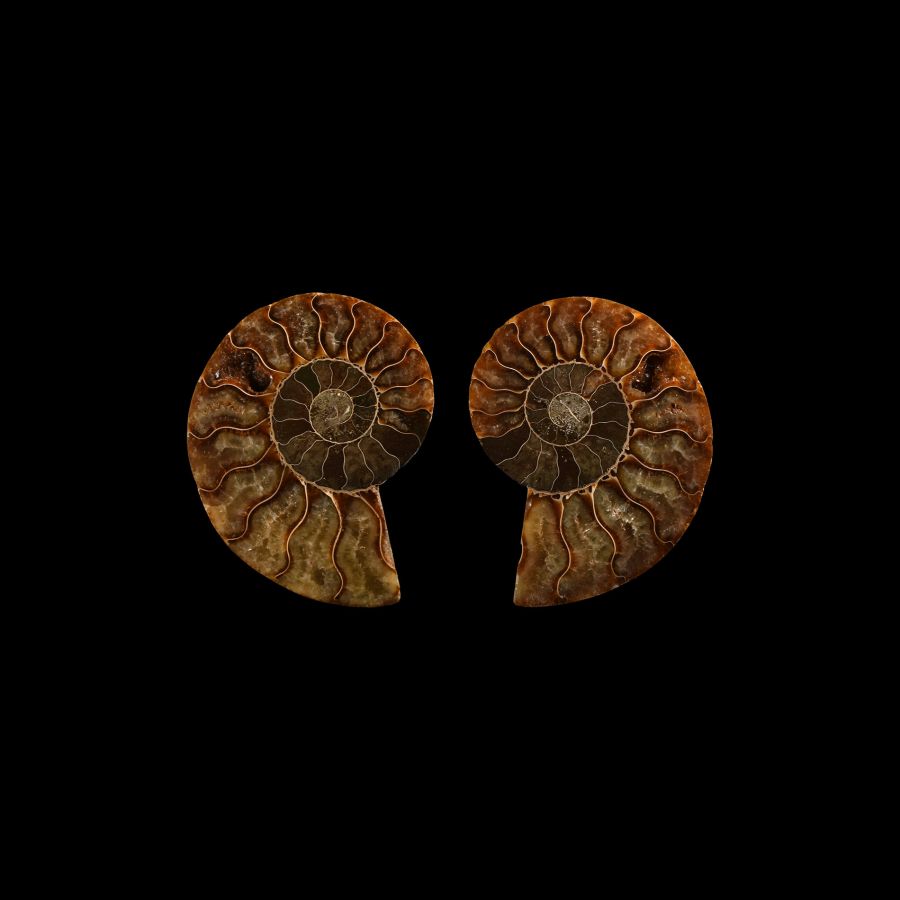
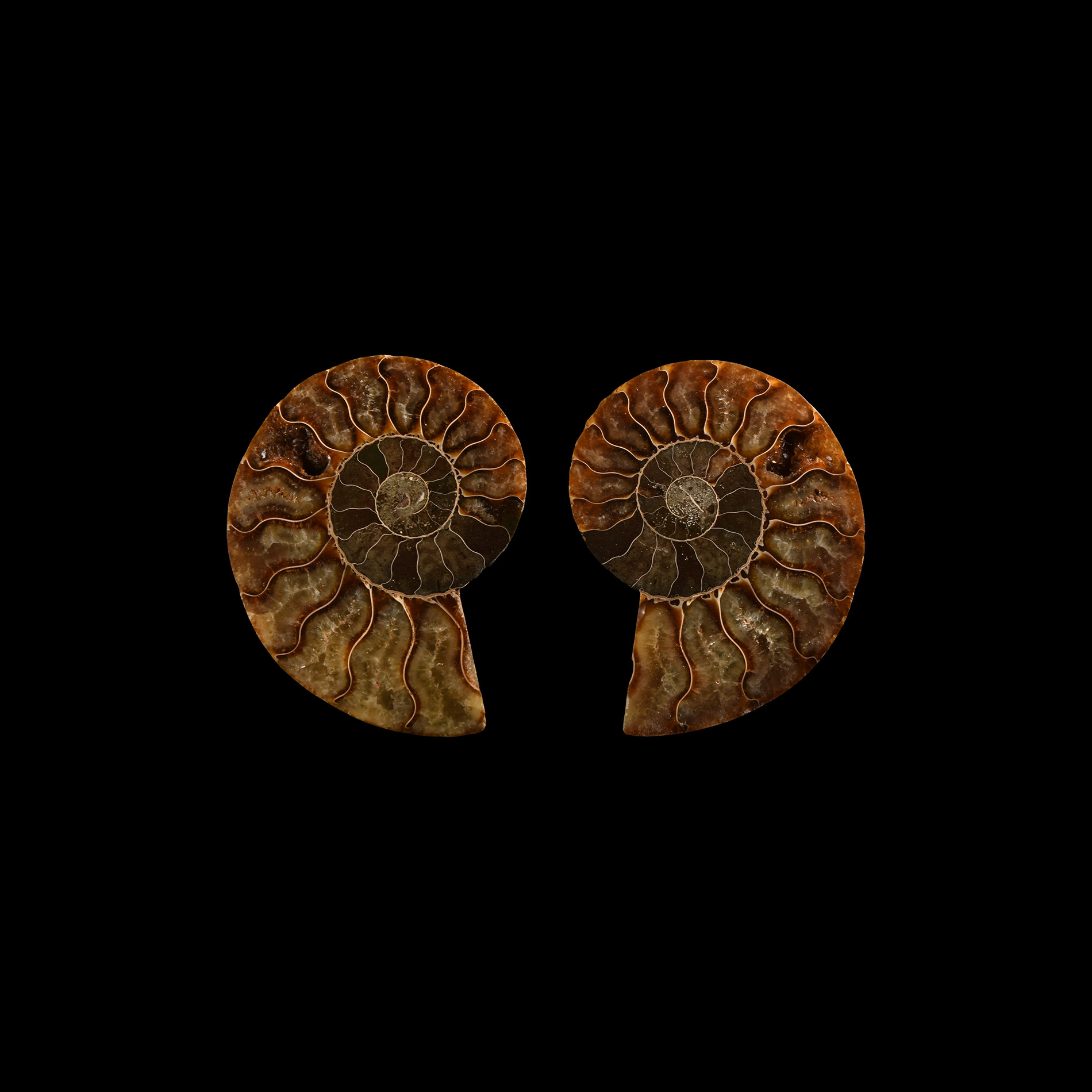
Natural History - Cut and Polished Fossil Ammonite
MIDDLE CRETACEOUS PERIOD, 150 MILLION YEARS B.P.
3 - 3 1/4 in. (136 grams total, 76-82 mm).
Showing the distinctive pattern of the cross-section chambers, Cleoniceras sp. [2, No Reserve]
ProvenanceCollected 1930-1960.
From the collection of the palaeontologist R Gledhill.
TimeLine Auctions follows a vetting process to ensure the authenticity and legality of all items, reinforcing our commitment to integrity and responsible trading. Each antiquity, antique, and coin lot undergoes thorough examination by a vetting committee of at least ten external specialists, professional trade association members, scientists, and archaeologists: Our Vetting Process
AUCTIONS:
TimeLine is a leading auction house specialising in antiquities, ancient art, collectables, natural history, coins, medals, and books. Our auctions offer museums, collectors, historians, and enthusiasts the opportunity to acquire unique and historically significant pieces.
-
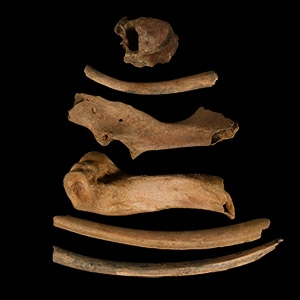
Natural History - Bison Bone Group
Devensian Period, 110,000-12,000 years B.P.Sold for (Inc. bp): £13
Comprising three rib sections, a vertebra, a leg bone fragment and a fragment of a hip bone. 1.3 kg total, 8.8-35.5 cm
From Abingdon, Oxfordshire, UK. Ex Norfolk, UK, collection. -
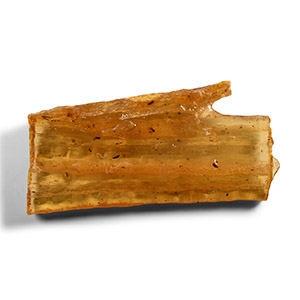
Natural History - Polished Copal with Insects
Over 3 million years B.P.Sold for (Inc. bp): £91
Containing several insects and other inclusions. 63 grams total, 12.3 cm
From Madagascar. Acquired 1950s-1960s. From an old Bristol, UK, palaeontological collection. -
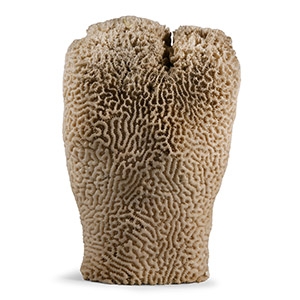
Natural History - Vintage Brain Coral Display Specimen
20th century A.D.Sold for (Inc. bp): £46
Comprising a coral skeletal column showing the natural details, cut square at base for display. 1.9 kg, 23.5 cm
From an older UK collection. Acquired London, UK, circa 1995. Ex property of a Leicestershire, UK, gentleman.
Shipping across international borders is subject to a set of international regulations known as CITES, which ensures the international trade of certain specimens of wild animals and plants does not endanger their survival. Your shipping company can advise and take care of the CITES application process for you.
