
Loading, please wait...
LOT 2296
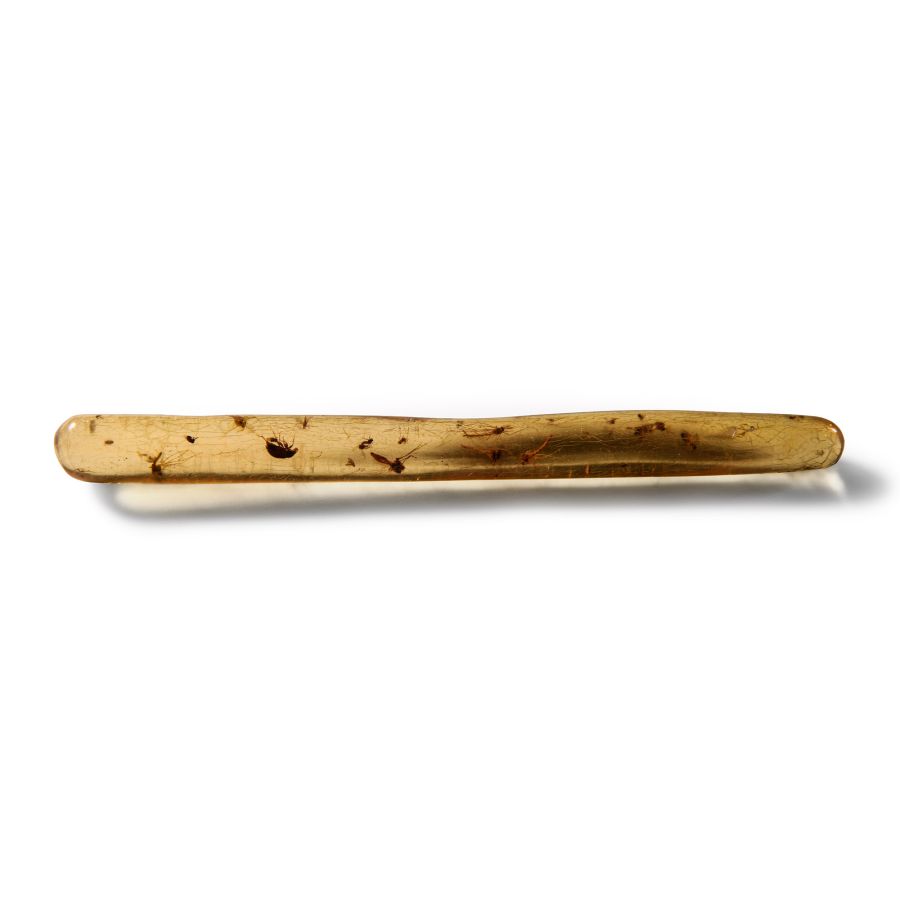
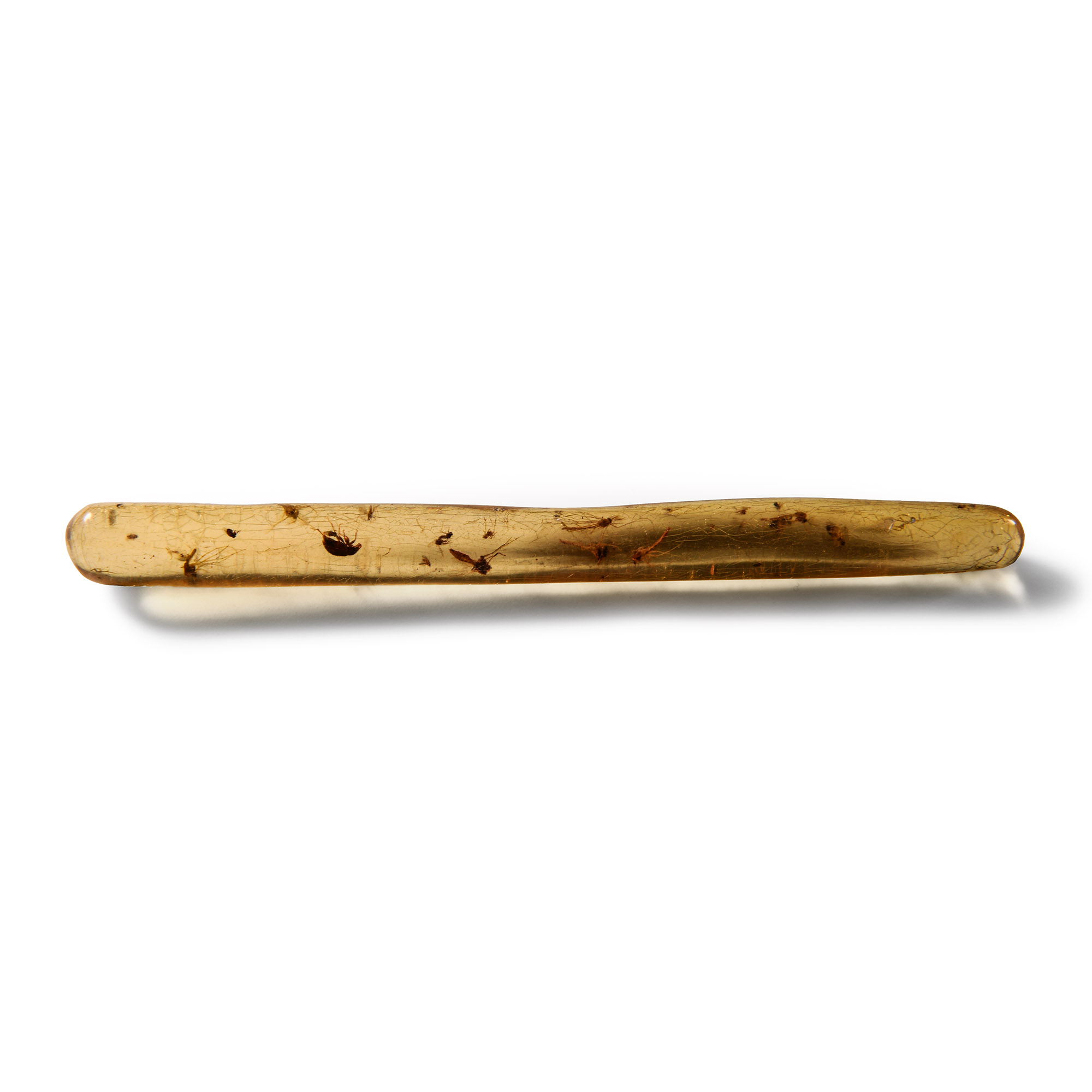
Natural History - Copal with Insect Inclusions
OLIGOCENE PERIOD, CIRCA 45 MILLION YEARS B.P.
4 1/8 in. (6.5 grams, 10.4 cm).
Displaying several insects together with other inclusions. [No Reserve]
ProvenanceEx Lincolnshire, UK, collection.
CONDITIONTimeLine Auctions follows a vetting process to ensure the authenticity and legality of all items, reinforcing our commitment to integrity and responsible trading. Each antiquity, antique, and coin lot undergoes thorough examination by a vetting committee of at least ten external specialists, professional trade association members, scientists, and archaeologists: Our Vetting Process
AUCTIONS:
TimeLine is a leading auction house specialising in antiquities, ancient art, collectables, natural history, coins, medals, and books. Our auctions offer museums, collectors, historians, and enthusiasts the opportunity to acquire unique and historically significant pieces.
-
.jpg)
Natural History - Canis Teilhardi Wolf's Skull
Late Pliocene-early Pleistocene Period, circa 5.3 million-60,000 years B.P.Estimate: £2,000 - 3,000 (+bp*)
Opening Bid: £525
A near complete example retaining many of the animal's teeth; accompanied by a custom-made display stand. 1.73 kg total, 27.5 cm high including stand
From the private collection of a London gentleman. -
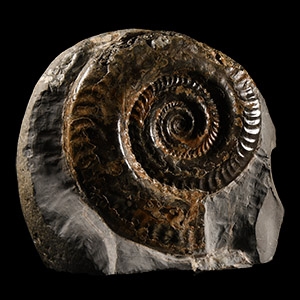
Natural History - Large British Hildoceras Fossil Ammonite Display
Jurassic Period, circa 190 million years B.P.Sold for (Inc. bp): £72
Free-standing with a Hildoceras bifrons fossil ammonite in the matrix. 3.2 kg, 17 cm
From North Yorkshire, UK. -
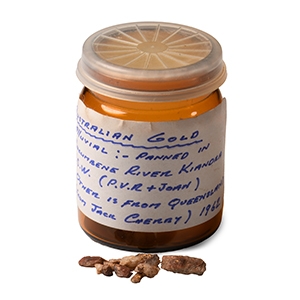
Australian Panned Alluvial Gold Nuggets
Panned 1962 A.D.Sold for (Inc. bp): £98
Including small specimens panned from the Eucumbene River, Kiadra, New South Wales, together with specimens from Queensland; housed in a cylindrical container. Container 12.78 grams total, 39 mm
Found River Kiandra, New South Wales, Australia, 1962. Private U.K. family collection formed in the early 1970s. The property of Mr and Mrs P.R. of East Sussex. Thence by descent to family members.
