
Loading, please wait...
LOT 0392
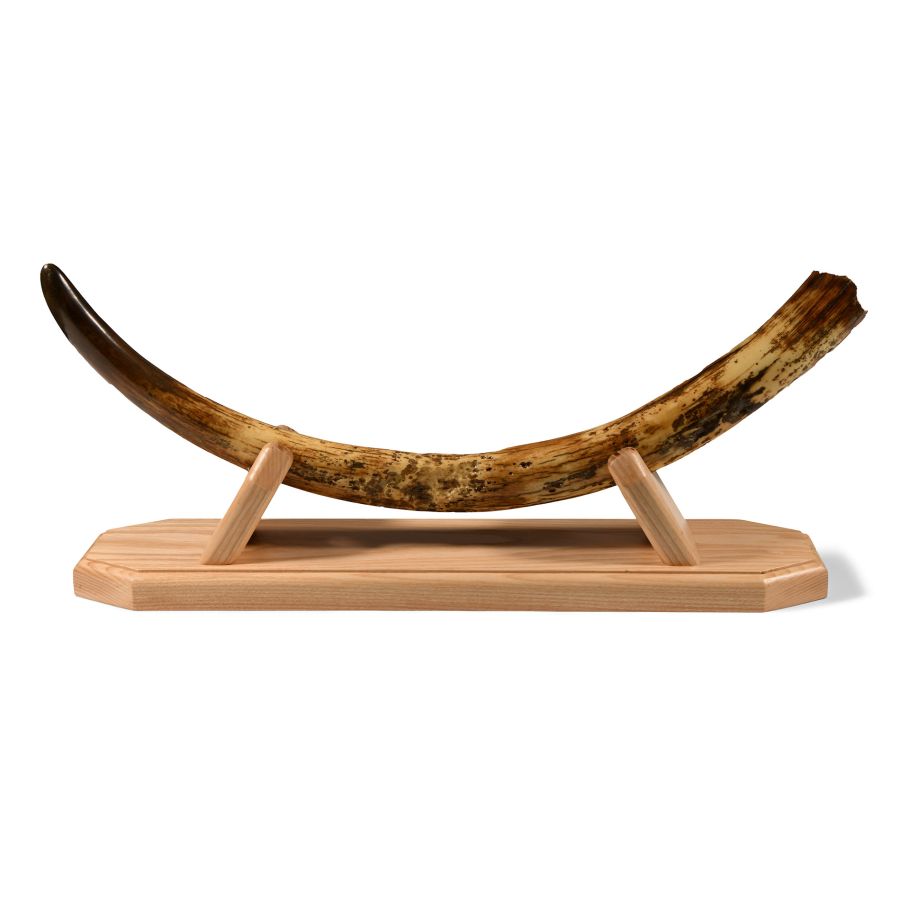
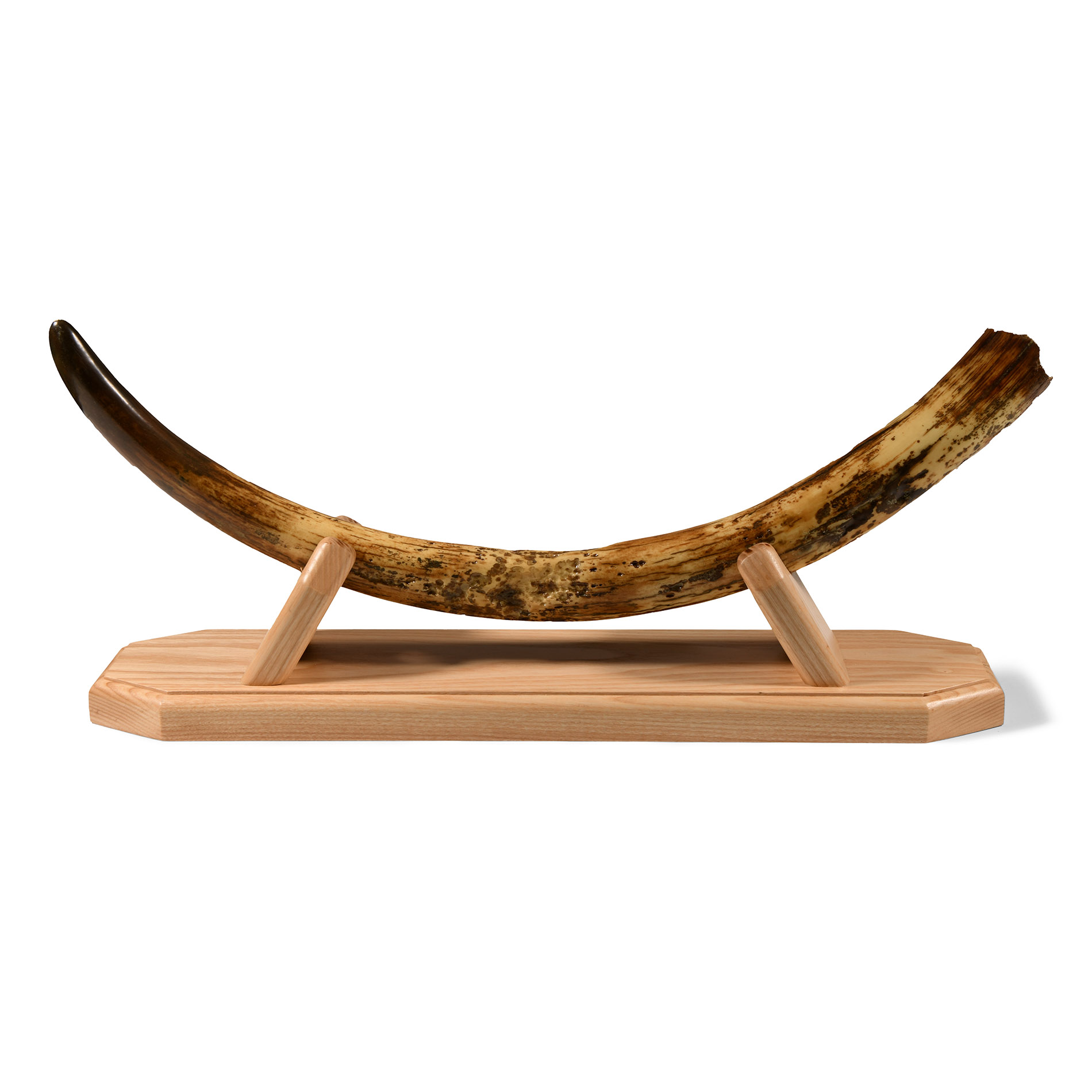
Natural History - Complete Ice Age Juvenile Mammoth Tusk
PLEISTOCENE PERIOD, 2.6 MILLION-11,700 YEARS B.P.
21 1/2 in. (2.29 kg total, 54 cm wide including stand).
A right-side 'fossil' tusk of the extinct Mammuthus Primigenius; ivory yellow-brown in colour and finely preserved with the typically marked curvature of this species; with custom-made display stand.
ProvenanceFrom the Siberian Tundra.
From the private collection of Mr J S, Northamptonshire, UK.
Property of a Cambridgeshire gentleman.
See Lister & Bahn, Mammoths, for general information.
FootnotesMammoths were animals of the Ice Age; they co-existed with and were hunted by early man; Siberia is famed for discoveries of frozen mammoth carcasses (see 'Dima' and 'Lyuba' for examples) and for the hut circles where mammoth bones and tusks were used as building materials; tusks have been traded for at least 2,000 years and in modern times, Siberian natives still hunt for them and use the fossil ivory as raw material.
CONDITIONTimeLine Auctions follows a vetting process to ensure the authenticity and legality of all items, reinforcing our commitment to integrity and responsible trading. Each antiquity, antique, and coin lot undergoes thorough examination by a vetting committee of at least ten external specialists, professional trade association members, scientists, and archaeologists: Our Vetting Process
AUCTIONS:
TimeLine is a leading auction house specialising in antiquities, ancient art, collectables, natural history, coins, medals, and books. Our auctions offer museums, collectors, historians, and enthusiasts the opportunity to acquire unique and historically significant pieces.
LOT 0392
Natural History - Complete Ice Age Juvenile Mammoth Tusk
Sold for (Inc. bp): £2,340
-

Natural History - Knightia Fossil Fish Mortality Plate
Eocene Period, 56-33 million years B.P.Sold for (Inc. bp): £65
The round matrix displaying three Knightia alta fossil fish with faint remains of another. 168 grams, 13.6 cm
Ex Lincolnshire, UK, collection.
In southwest Wyoming (and parts of Colorado and Utah) in the Green River Formation are found some of the world's most outstanding specimens of fossil fish. The Green River system was composed of three lakes: Lake Ulinta, Lake Gosiute and Fossil Lake. These Eocene lakes lay in a series of intermountain basins formed by geological events that uplifted the Rocky Mountains during the early Tertiary time. The climate was much different from the desert-like climate of this area today. Both the fauna (crocodiles, alligators, boa constrictors and some subtropical fish families) and the flora (such as large palm trees) indicate a climate much like that found along the Gulf Coast today. Large amounts of ash found in the sediments indicate that volcanoes were particularly active at this time. -

Natural History - Insect in Baltic Amber
Oligocene Age, circa 45 million years B.P.Sold for (Inc. bp): £52
Polished to an oval shape, containing an insect. 2.4 grams, 26 mm
Collected 1930-1960. From the collection of the palaeontologist R Gledhill. -
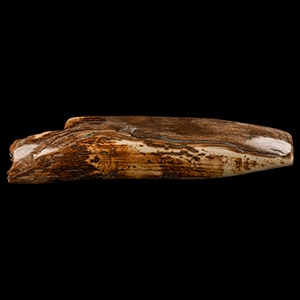
Natural History - Woolly Mammoth Tusk Section
Pleistocene Age, circa 40.000 years B.P.Sold for (Inc. bp): £143
Displaying some attractive patterning. 126 grams, 19 cm
From the North Sea. From an old Bristol, UK, collection.
