
Loading, please wait...
LOT 1824
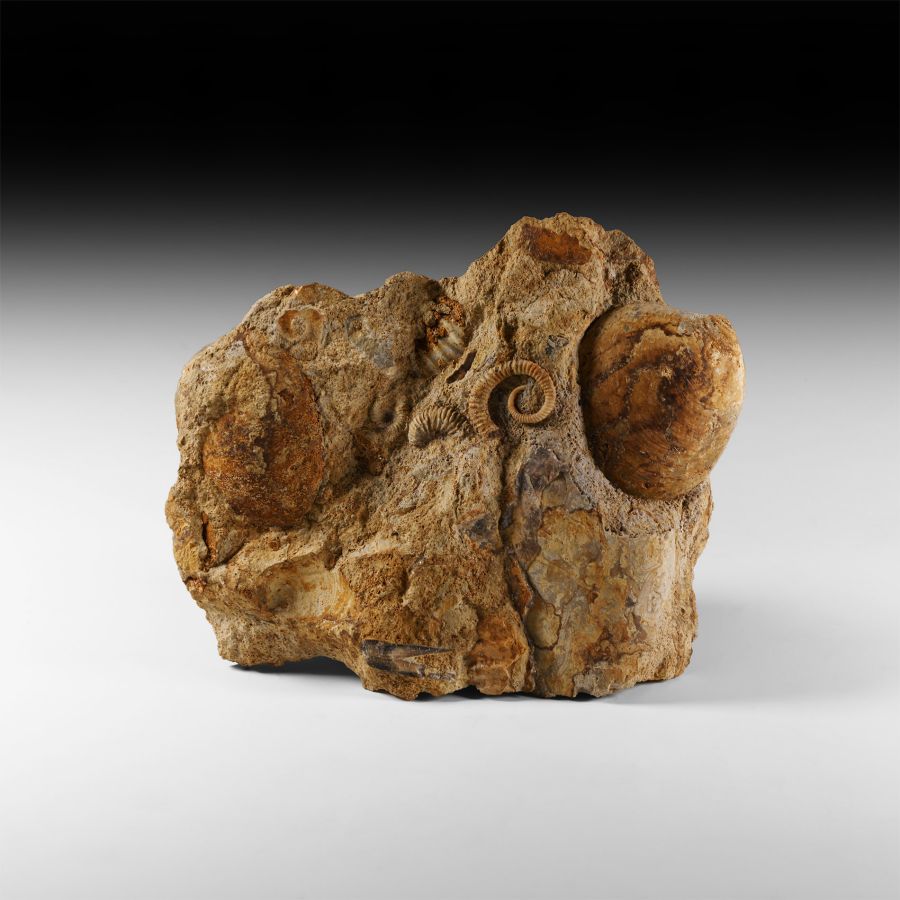
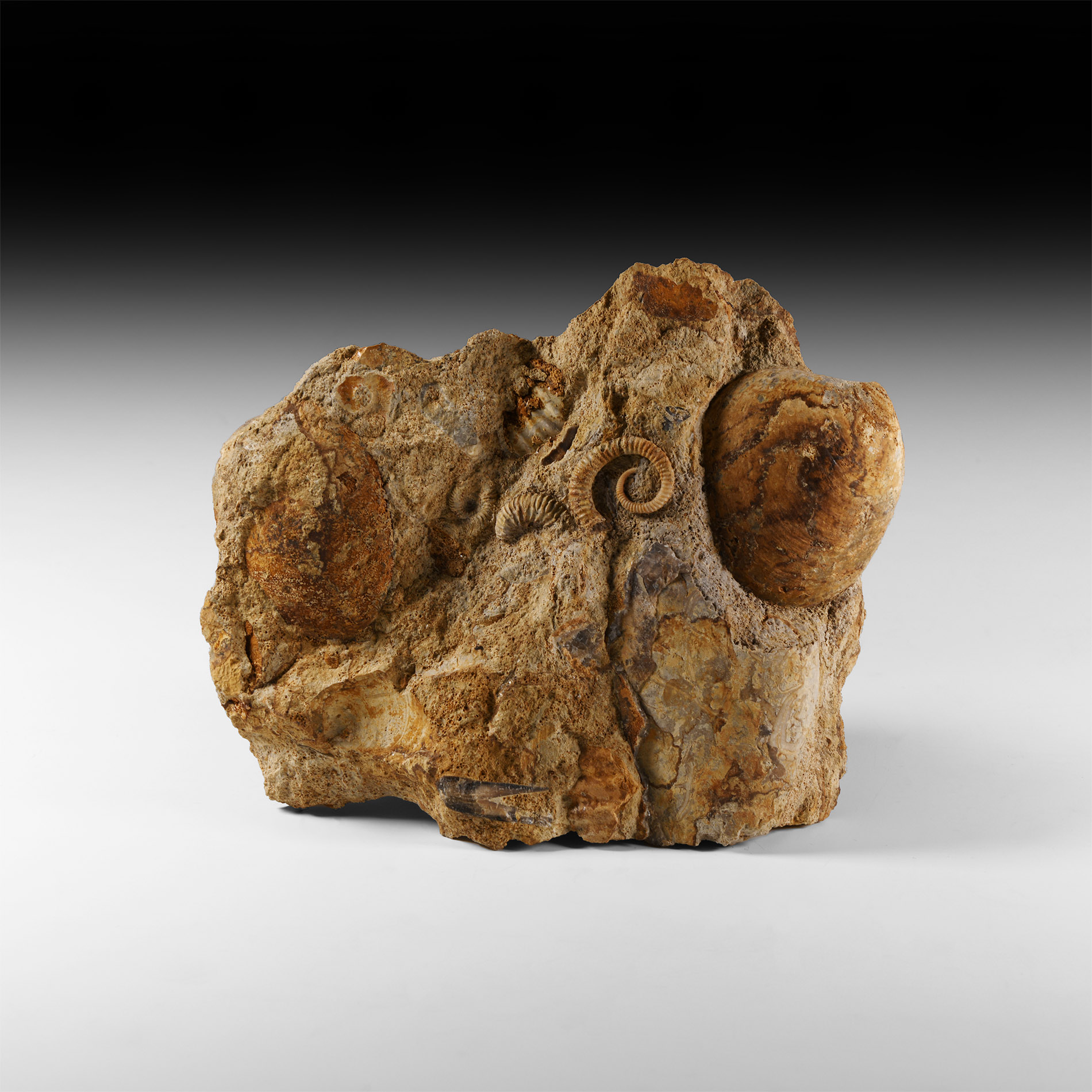
Natural History - British Heteromorph Fossil Ammonite with Bivalves Display
JURASSIC PERIOD, CIRCA 180 MILLION YEARS B.P.
6 1/2 in. (972 grams, 16.5 cm).
A heteromorph fossil Spiroceras annulatum ammonite together with Neocrassina miodularis bivalves in an amorphous matrix; collector's hand written label 'Burton Bradstock 1002' to reverse; Inferior Oolite, Garantiana Zone. [No Reserve]
ProvenanceFrom Burton Bradstock, Dorset, UK.
Property of a Leicestershire, UK, private collector.
TimeLine Auctions follows a vetting process to ensure the authenticity and legality of all items, reinforcing our commitment to integrity and responsible trading. Each antiquity, antique, and coin lot undergoes thorough examination by a vetting committee of at least ten external specialists, professional trade association members, scientists, and archaeologists: Our Vetting Process
AUCTIONS:
TimeLine is a leading auction house specialising in antiquities, ancient art, collectables, natural history, coins, medals, and books. Our auctions offer museums, collectors, historians, and enthusiasts the opportunity to acquire unique and historically significant pieces.
LOT 1824
Natural History - British Heteromorph Fossil Ammonite with Bivalves Display
Sold for (Inc. bp): £78
-
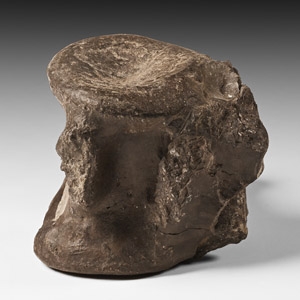
Natural History - Marine Crocodile Fossil Vertebra
Jurassic Period, circa 200-175 million years B.P.Sold for (Inc. bp): £39
A fossilised marine Steneosaurus (Teleosaurus) crocodile vertebra. 97 grams, 41 mm
From Sandsend, Whitby, North Yorkshire, England, UK. Acquired 1950s-1960s. From an old Bristol, UK, paleontological collection. -
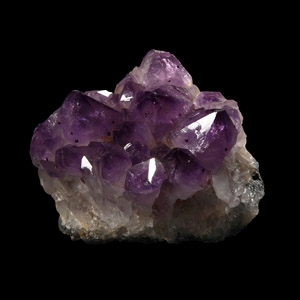
Natural History - Amethyst Crystal Section
Sold for (Inc. bp): £33
A section of amethyst geode displaying some large purple crystals. 677 grams, 85 mm
From Brazil. Mineral Imports, London, UK. Gregory, Bottley & Lloyd (Gregory's). -
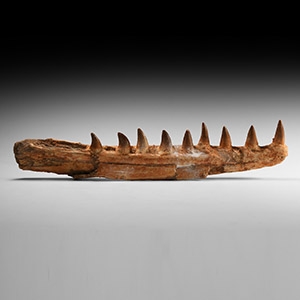
Natural History - Large Mosasaur Jaw Section
Cretaceous Period, 145-65 million years B.P.Sold for (Inc. bp): £338
A fossilised lower jaw section displaying nine teeth from the Mosasaur Prognathodon sp. 404 grams, 36.5 cm
From the phosphate mine region, Khouribga, Morocco, North Africa. Acquired 1950s-1960s. From an old Bristol, UK, paleontological collection.
